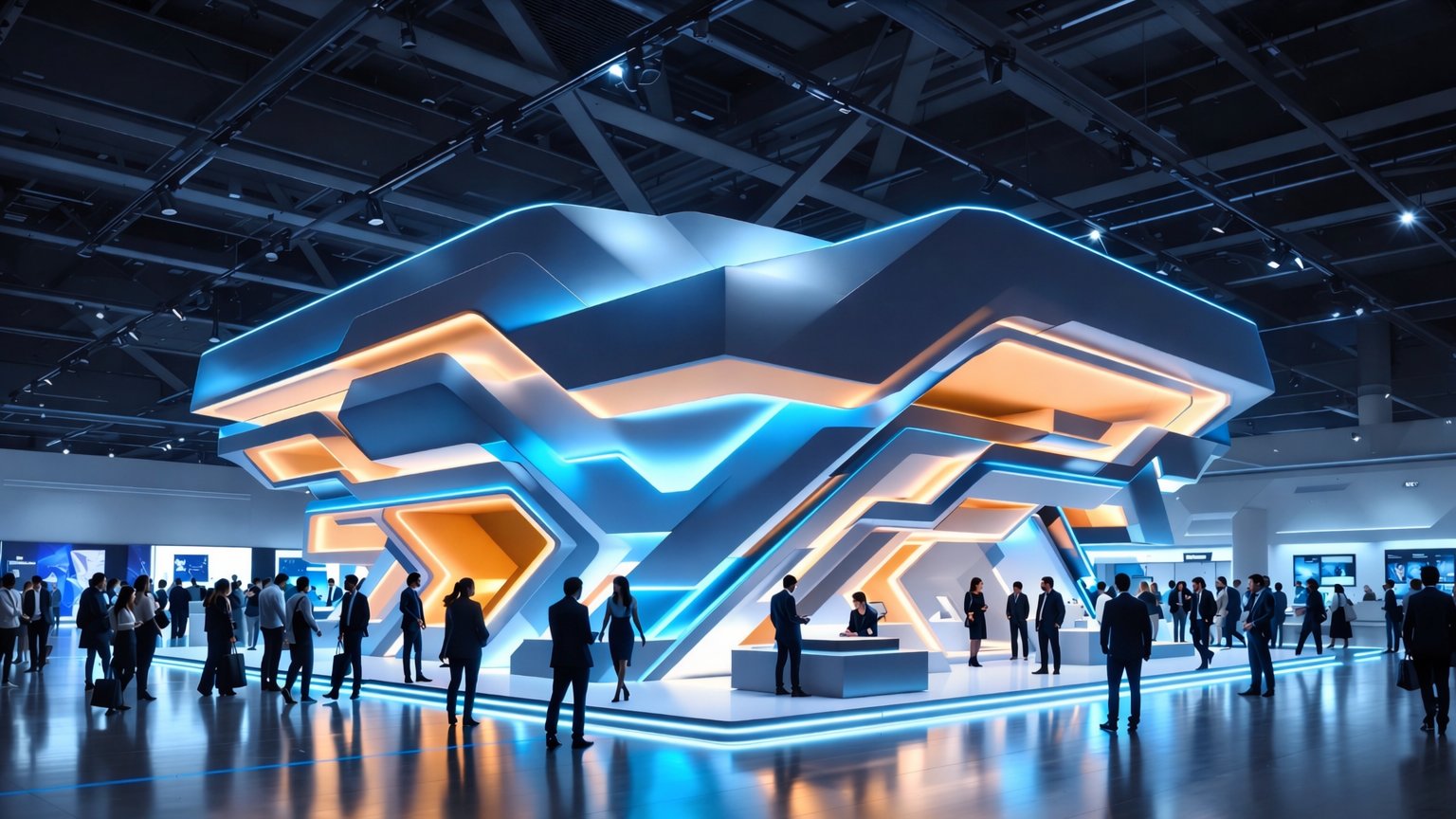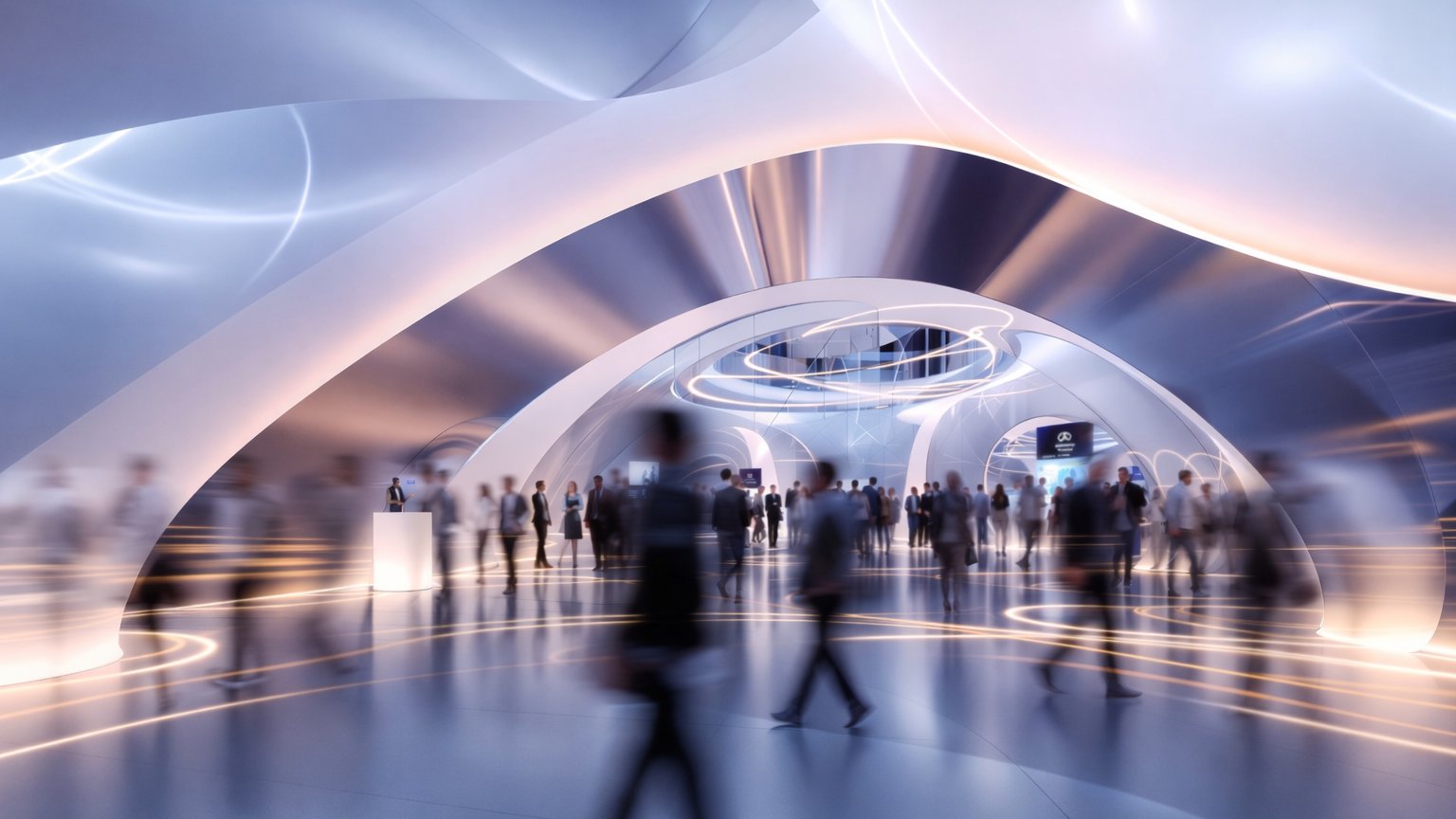
Trade shows are a sensory battlefield. Rows of booths compete for attention under bright lights, surrounded by noise, motion, and constant human traffic. In this environment, your booth has mere seconds—sometimes less—to capture attention and invite engagement. Scenic booth design is not just about aesthetics; it is about creating a visual and emotional magnet that interrupts movement and sparks curiosity. The most successful booths are not simply seen—they are experienced. A scenic booth goes beyond banners and backdrops. It immerses visitors in a story, a mood, or even a miniature world that reflects your brand identity. Whether it evokes the calm of a natural landscape, the excitement of a futuristic environment, or the warmth of a curated lifestyle space, scenic design transforms your booth into a destination rather than a display. When done right, it creates an irresistible pull that makes attendees stop, look, and step inside.
A: Strong visual contrast, a clear focal point, smart lighting, and an inviting layout usually make the biggest difference.
A: No; a smaller booth with a strong scenic concept can outperform a larger booth that feels generic or cluttered.
A: Open layouts usually attract more walk-in traffic, while partial enclosures can work for premium or private experiences.
A: Extremely important; lighting shapes mood, highlights products, and helps the booth stand out from surrounding spaces.
A: Yes; they increase dwell time and give visitors a reason to enter and engage rather than just glance and move on.
A: Colors that match the brand while creating contrast with the surrounding show floor usually perform best.
A: Absolutely; with strong materials, layered graphics, and thoughtful lighting, modular systems can feel very polished.
A: Focus on fewer, stronger visual elements, maintain open pathways, and avoid overloading every surface with messaging.
A: Designing for appearance only and forgetting traffic flow, staff interaction, storage, and visitor comfort.
A: A single standout impression—whether it is a visual moment, immersive experience, or memorable product story tied to the brand.
Designing for Human Curiosity and Movement
At the heart of scenic booth design lies a deep understanding of human behavior. People are naturally drawn to contrast, motion, and intrigue. A booth that visually disrupts the monotony of a trade show floor has a built-in advantage. This means thinking beyond flat signage and incorporating layers, depth, and dynamic elements that engage from multiple angles.
Consider how attendees move through the space. Most walk quickly, scanning peripherally rather than focusing directly. Scenic design must therefore create bold visual anchors that catch the eye even from a distance. This could be a towering structure, a dramatic lighting effect, or a unique architectural shape. Once attention is captured, smaller details—textures, colors, and interactive elements—encourage visitors to slow down and explore further.
Immersive Environments That Tell a Story
One of the most powerful strategies in scenic booth design is storytelling through environment. Instead of simply showcasing products, create a setting that contextualizes them. For example, a brand selling outdoor gear might design a booth that resembles a mountain retreat, complete with textured rock walls, warm lighting, and natural materials. This approach allows visitors to imagine themselves using the product in a real-world scenario. Story-driven environments also create emotional connections. When people feel something—whether it is excitement, nostalgia, or curiosity—they are more likely to remember your brand. Scenic design becomes a narrative tool, guiding visitors through a journey that aligns with your message. Each visual element should contribute to this story, from the color palette to the layout and even the soundscape.
The Impact of Bold Architectural Elements
Flat booths fade into the background. Sculptural forms, layered structures, and unexpected shapes command attention. Architectural elements can transform your booth into a landmark within the trade show. Think sweeping arches, angular frameworks, or suspended features that draw the eye upward.
Height is particularly important. Vertical design not only increases visibility from across the floor but also creates a sense of grandeur. However, it is not just about going big—it is about being intentional. Clean lines, balanced proportions, and thoughtful composition ensure that your booth feels sophisticated rather than overwhelming.
Materials also play a key role. Combining textures such as wood, metal, fabric, and acrylic adds depth and richness. These elements should be cohesive with your brand identity while still pushing the boundaries of traditional booth design.
Lighting as a Strategic Design Tool
Lighting is one of the most underrated yet powerful aspects of scenic booth design. It has the ability to transform a space instantly, guiding attention, setting mood, and highlighting key features. Strategic lighting can make even a modest booth feel premium and immersive.
Directional lighting draws focus to specific areas, such as product displays or interactive stations. Ambient lighting creates an overall atmosphere, whether it is warm and inviting or cool and futuristic. Accent lighting adds drama, emphasizing textures and architectural details.
Dynamic lighting—such as color-changing LEDs or subtle motion effects—can introduce a sense of energy without being distracting. The key is balance. Lighting should enhance the experience, not overwhelm it. When used effectively, it becomes an invisible guide that leads visitors through your space.
Interactive Features That Invite Participation
A scenic booth is not just something to look at—it is something to engage with. Interactive elements transform passive observers into active participants, increasing both dwell time and brand recall. These features can range from simple touchpoints to fully immersive experiences.
Consider incorporating digital screens that respond to user input, hands-on product demonstrations, or even augmented reality elements that bring your story to life. Physical interaction is equally important. Textured surfaces, movable components, or customizable displays invite visitors to explore with their senses.
The goal is to create moments of discovery. When visitors feel involved, they are more likely to form a connection with your brand. This interaction also creates natural opportunities for conversation, allowing your team to engage in a meaningful way.
Color Psychology and Visual Identity
Color is one of the fastest ways to communicate emotion and brand identity. In a trade show environment, it also serves as a powerful tool for differentiation. A well-chosen color scheme can make your booth instantly recognizable and memorable.
Bold, high-contrast colors can attract attention from a distance, while more subtle palettes create a refined and sophisticated feel. The key is consistency. Your scenic design should align with your overall brand identity while still standing out within the context of the show.
Layering colors adds depth and visual interest. Gradients, lighting effects, and textured materials can enhance this effect, creating a multi-dimensional experience. When combined with strong design elements, color becomes a defining feature of your booth.
Creating Zones for Exploration
A well-designed scenic booth is not a single static space—it is a series of experiences. Dividing your booth into zones encourages movement and exploration, guiding visitors through different aspects of your brand. These zones might include a welcoming entry area, an interactive demonstration space, a product showcase, and a more intimate conversation area. Each zone should have its own visual identity while still feeling connected to the overall design. Transitions between zones are just as important as the zones themselves. Subtle changes in lighting, flooring, or structure can signal a shift in experience, keeping visitors engaged as they move through the space. This layered approach adds depth and complexity, making your booth feel larger and more dynamic.
Incorporating Motion and Kinetic Design
Movement naturally attracts attention. Incorporating kinetic elements into your booth design can create a sense of energy and intrigue that draws people in. This might include rotating displays, moving light patterns, or even subtle mechanical features that shift over time.
Digital motion is equally effective. Animated screens, looping visuals, or interactive projections can add a dynamic layer to your booth. The key is to use motion strategically, ensuring it enhances rather than distracts from your message.
Even small touches—such as fabric elements that move with airflow or reflections that change as visitors pass by—can create a sense of life within your booth. These details contribute to an overall impression of innovation and creativity.
Sensory Design: Engaging Beyond the Visual
While visual design is crucial, a truly scenic booth engages multiple senses. Sound, texture, and even scent can enhance the overall experience, making your booth more immersive and memorable.
Ambient soundscapes can reinforce your theme, whether it is the subtle sounds of nature or a modern, rhythmic backdrop. Textural elements invite touch, adding a tactile dimension to your design. Carefully chosen scents can evoke emotions and create a lasting impression.
This multi-sensory approach deepens engagement, allowing visitors to experience your brand in a more holistic way. It transforms your booth from a visual display into an environment that feels alive and immersive.
Minimalism Meets Impact
Not all scenic booths need to be elaborate. In some cases, simplicity can be just as powerful—if not more so. A minimalist design with a strong focal point can stand out in a crowded environment by offering visual clarity and sophistication. Clean lines, open space, and carefully curated elements create a sense of calm that contrasts with the chaos of a trade show floor. This approach allows key features to shine, making your message more focused and impactful. The challenge with minimalism is precision. Every element must be intentional, from the placement of products to the choice of materials. When executed well, it creates a high-end aesthetic that draws attention through its elegance.
Technology Integration for Modern Appeal
Technology plays a significant role in contemporary scenic booth design. Integrating digital elements can enhance interactivity, provide valuable information, and create a cutting-edge experience.
Large-format screens, touch interfaces, and immersive projections can transform your booth into a digital landscape. Data visualization, live demonstrations, and real-time engagement tools add depth and relevance to your presentation.
However, technology should serve the design, not dominate it. Seamless integration ensures that digital elements feel like a natural extension of your scenic concept rather than an add-on.
Branding That Feels Organic, Not Forced
In scenic booth design, branding should be integrated into the environment rather than simply applied to it. Logos, messaging, and visual identity should feel like part of the story, not separate elements. This might mean incorporating your brand colors into the materials, embedding your logo within architectural features, or using subtle cues that reinforce your identity. The goal is to create a cohesive experience where branding feels natural and immersive. When branding is done well, it enhances recognition without overwhelming the design. Visitors remember the experience first—and your brand becomes inseparable from that memory.
Designing for Social Sharing and Virality
In today’s digital age, a scenic booth has the potential to extend far beyond the trade show floor. Designing with social sharing in mind can amplify your reach and create organic marketing opportunities.
Photo-worthy moments are key. This could be a striking visual installation, a unique backdrop, or an interactive feature that encourages visitors to capture and share their experience. Lighting and composition play a crucial role in making these moments visually appealing on camera.
Encouraging user-generated content not only increases visibility but also adds authenticity to your brand. A booth that becomes a social media hotspot gains momentum, attracting even more visitors.
Practical Considerations Behind the Creativity
While creativity is essential, practical considerations ensure that your scenic booth is functional and effective. This includes managing traffic flow, ensuring accessibility, and providing adequate space for interaction. Durability and ease of setup are also important. Scenic elements should be designed with logistics in mind, allowing for efficient installation and breakdown. Materials should be chosen not only for their visual appeal but also for their resilience. Balancing creativity with practicality ensures that your booth performs as well as it looks. A beautiful design that is difficult to navigate or maintain will ultimately fall short of its potential.
Designing an Unforgettable Experience
Scenic booth design is both an art and a strategy. It requires a blend of creativity, psychology, and technical execution to create an experience that stands out in a crowded environment. From bold architectural elements to immersive storytelling, every detail contributes to the overall impact.
The ultimate goal is to create a space that stops people in their tracks, invites them in, and leaves a lasting impression. When visitors remember your booth long after the event, you have achieved something powerful.
In a world where attention is fleeting, scenic design offers a way to capture and hold that attention. It transforms your booth from a simple display into a destination, turning passersby into participants and interest into engagement. When done right, it does not just attract traffic—it creates momentum, energy, and connection that extends far beyond the trade show floor.