

Giant 3D Logos & Letters transform ordinary booth spaces into unforgettable brand landmarks, turning every angle of a trade show floor into a bold visual statement. In a world where attendees move fast and impressions form in seconds, these oversized sculptural elements become magnetic beacons—pulling visitors in with scale, dimension, and cinematic presence. Whether soaring overhead, glowing with internal lighting, or crafted from sleek materials like acrylic, foam, metal, or LED-infused composites, giant 3D logos elevate brand identity from a simple graphic into a fully immersive experience. On Trade Show Streets, this sub-category explores the artistry, engineering, and strategy behind building these commanding structures. You’ll discover insights on design trends, fabrication techniques, installation tips, budget considerations, and creative ideas that push beyond conventional booth décor. From towering freestanding letters to floating logo clusters and photogenic 3D backdrops, each article helps exhibitors rethink what’s possible when branding becomes dimensional, tactile, and larger than life. If you’re ready to amplify visibility, boost engagement, and create show-stopping moments attendees can’t stop photographing, Giant 3D Logos & Letters is your gateway to standing out with style and impact.
A: Aim for 3–6 months ahead of a major show to allow for design, approvals, fabrication, and testing.
A: Yes—most venues require engineering sign-off, rigging plans, and proof of material fire ratings.
A: Often a foam or honeycomb core with hard-coat, acrylic, or aluminum skins balances weight and strength.
A: Absolutely—design it with modular sections, protective cases, and flexible branding options.
A: Provide exact brand color values and request test panels under similar lighting temperatures.
A: Floor pieces drive interaction and photos; hanging logos boost visibility from across the hall.
A: Costs vary widely, but size, materials, lighting, and rigging needs are the biggest drivers.
A: Custom crates, foam bracing, clear labeling, and trained handlers make a huge difference.
A: Yes—just coordinate early with AV and fabricators to handle power, cooling, and service access.
A: Track traffic, dwell time, scans, social shares, and lead quality before and after the installation.
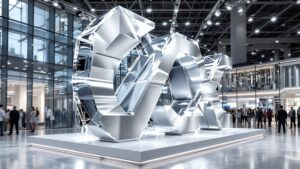
Giant 3D Logos for Trade Show Booths: Design Ideas That Stop Foot Traffic
Turn your booth into a showstopper with giant 3D logos that command attention and spark engagement. From lighting effects to bold materials and immersive design, discover how oversized branding elements can draw crowds, create photo-worthy moments, and leave a lasting impression on every attendee who walks the floor.
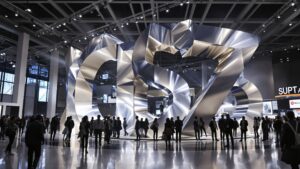
How to Create Massive 3D Letters That Make Your Booth Unmissable
Turn your booth into a visual landmark with massive 3D letters that demand attention. Discover how scale, lighting, and smart design combine to stop foot traffic, spark engagement, and create unforgettable brand moments on the trade show floor.