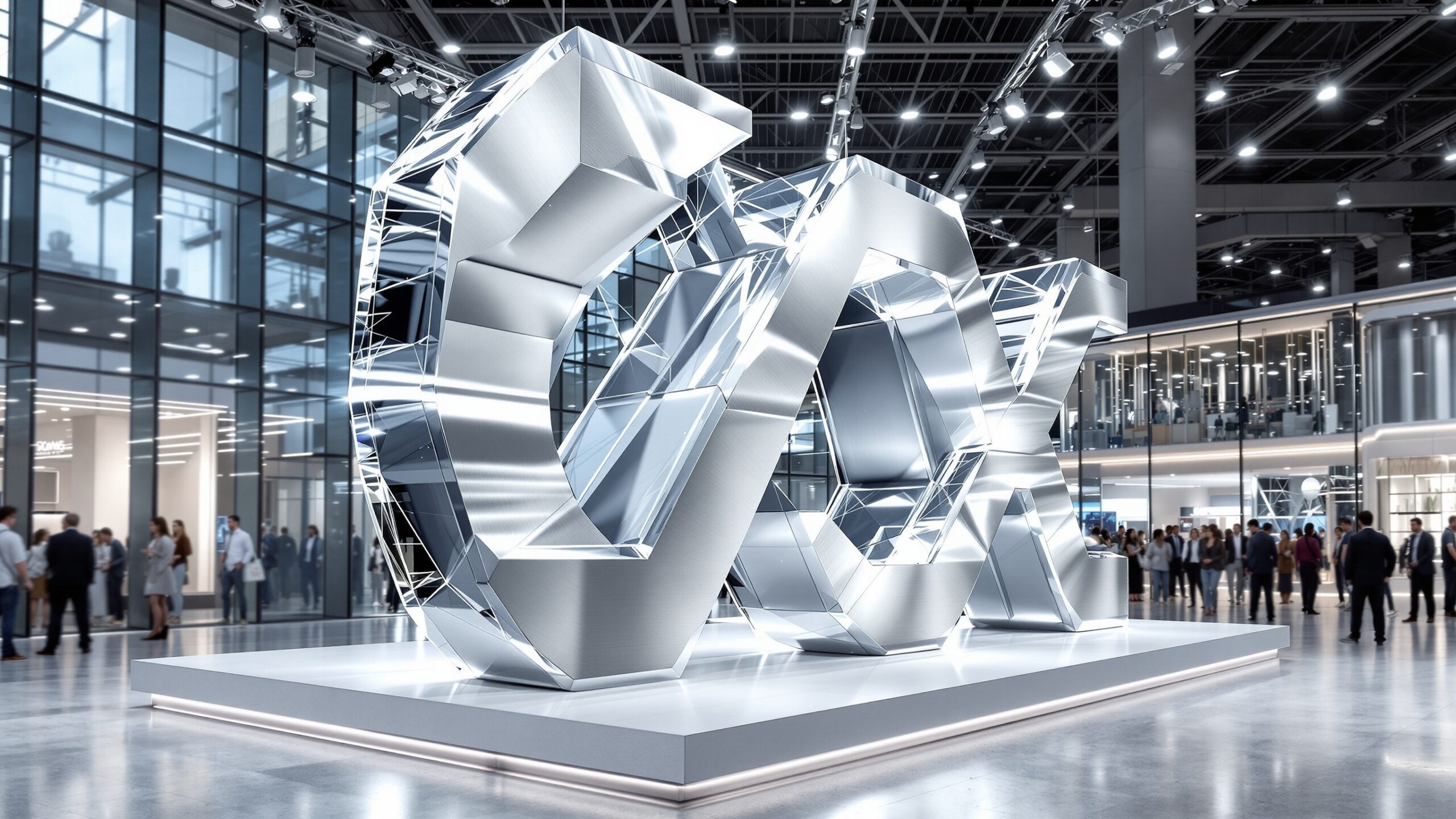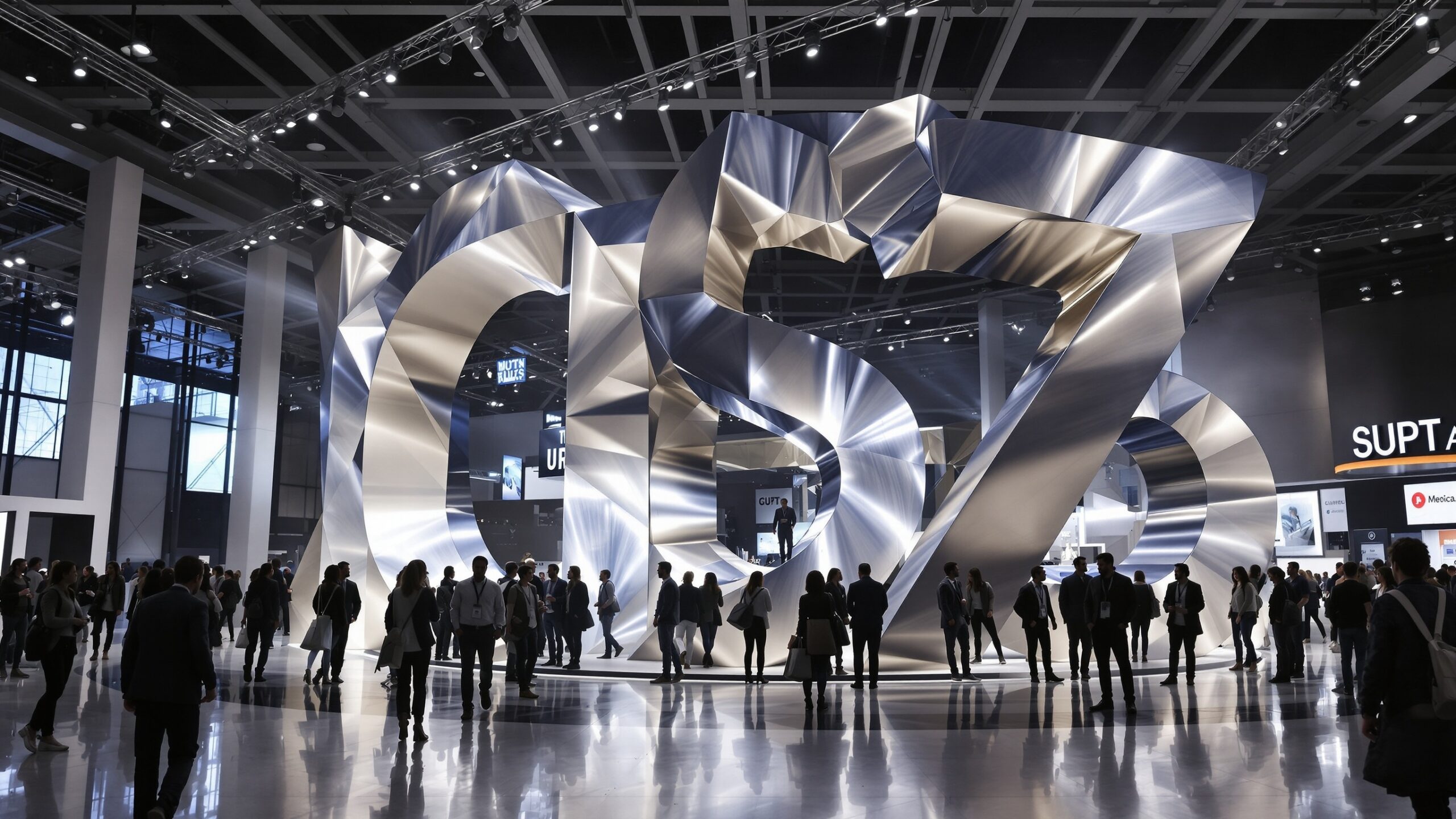
Trade shows are a battlefield of attention. Every aisle is lined with brands competing for a fleeting glance, a pause, a moment of curiosity that can turn into a lead or a lasting impression. In this crowded environment, massive 3D letters have emerged as one of the most powerful visual tools a brand can deploy. They don’t just display a name—they dominate space, shape perception, and create an immersive identity that attendees cannot ignore. Creating these oversized visual anchors requires more than simply scaling up a logo. It demands a blend of design thinking, material strategy, lighting expertise, and experiential storytelling. When executed correctly, massive 3D letters transform a booth into a landmark, making it not just visible—but unforgettable.
A: Lightweight foam with a hard coat is a common favorite because it balances size, cost, and easier installation.
A: Big enough to read from the aisle and nearby cross-aisles; size depends on booth height, distance, and hall sightlines.
A: Often yes, especially in darker halls or premium builds, but strong contrast and smart placement can work without lighting too.
A: Freestanding letters create stronger presence and photo opportunities, while wall-mounted letters save floor space.
A: Yes, if they are designed in modular sections and packed in protective crates built for repeat travel.
A: Thin proportions, weak finishing, visible seams, poor lighting, unstable bases, and cluttered surrounding graphics.
A: Use them to frame entrances, back walls, or focal zones instead of placing them where traffic and sightlines must stay open.
A: Matte usually performs better under trade show lighting because it reduces glare and keeps the letter shape readable.
A: Usually no; keep the main logo or hero phrase large and let supporting messages stay secondary for faster scanning.
A: Treating the letters like decoration instead of a strategic visibility tool tied to brand hierarchy, traffic flow, and audience attention.
The Power of Scale in Trade Show Design
Scale is psychological. Humans are instinctively drawn to objects that break expectations, especially when they exceed normal proportions. In a trade show setting, where most signage remains flat or modest in size, large-format 3D letters disrupt visual patterns. They signal confidence, authority, and presence.
Massive letters act as both signage and architecture. They become part of the booth structure itself, shaping how attendees navigate and interact with the space. Instead of searching for your brand name, visitors see it from across the hall, often before they even recognize individual booth elements.
This visibility advantage is critical. Trade show attendees are constantly filtering information. A bold, oversized letter installation cuts through that noise instantly, anchoring your booth in their mental map of the event floor.
Designing Letters That Command Attention
The design phase is where your letters either become iconic or forgettable. It begins with understanding your brand identity and translating it into dimensional form. Typography that works on a website or brochure does not always translate effectively into large-scale 3D structures. Thin strokes may disappear, intricate details may get lost, and spacing must be rebalanced for physical presence. Strong, clean letterforms tend to perform best at scale. Sans-serif fonts with bold weights are often ideal because they maintain clarity from a distance while offering enough surface area for lighting and finishes. However, the goal is not to default to generic styles but to adapt your brand’s typography into a version optimized for physical impact.
Depth is just as important as height and width. Letters that extend outward create shadows, visual layering, and a sense of dimensional richness. This depth allows lighting to interact dynamically with the structure, enhancing visibility from multiple angles. Color choices also play a crucial role. High-contrast palettes help letters stand out against the surrounding environment. At the same time, finishes such as matte, gloss, metallic, or textured coatings can dramatically influence how the letters read under different lighting conditions.
Material Selection for Strength and Style
Choosing the right materials is a balancing act between durability, weight, cost, and visual appeal. Trade show environments demand structures that can withstand transport, installation, and repeated use while still looking pristine.
Foam is one of the most commonly used materials for large 3D letters because it is lightweight and easy to shape. High-density foam can be carved into precise forms and then coated with hard finishes to improve durability. This makes it ideal for oversized installations that need to be transported frequently.
Wood offers a more solid, premium feel. It can be CNC-cut for precision and finished in a variety of ways, from natural stains to painted surfaces. However, wood is heavier and may require additional structural support, especially for very large letters.
Acrylic and plastic composites are popular for achieving sleek, modern looks. These materials can be combined with internal lighting to create illuminated letters that glow evenly across their surfaces. They are also resistant to wear, making them suitable for long-term use.
Metal adds a sense of luxury and permanence. Aluminum and steel letters can be fabricated for high-end booths, often featuring brushed, polished, or powder-coated finishes. While heavier and more expensive, metal letters deliver unmatched visual impact when used strategically.
Often, the most effective installations combine multiple materials. A foam core with a hard-coated exterior, or a wooden base with acrylic face panels, can achieve both structural efficiency and aesthetic sophistication.
Engineering for Stability and Safety
Massive 3D letters must do more than look impressive—they must be safe and stable. Trade show regulations are strict, and any structure that poses a risk can be removed or rejected during setup. Engineering begins with understanding the dimensions and weight distribution of each letter. Larger letters require internal reinforcement to prevent warping or collapse. This may involve embedded frames, cross-bracing, or layered construction techniques.
Anchoring is another critical consideration. Letters can be mounted directly to booth walls, secured to base platforms, or stabilized with hidden supports. Freestanding letters often require weighted bases or discreet anchoring systems to ensure they remain upright even in high-traffic areas.
Modularity is also key. Designing letters in sections allows for easier transport and assembly. Interlocking components or concealed fasteners can make installation efficient while maintaining a seamless appearance. Working with experienced fabricators or structural designers can help ensure that your installation meets both aesthetic and safety requirements without compromise.
Lighting That Brings Letters to Life
Lighting transforms 3D letters from static objects into dynamic visual experiences. It enhances visibility, adds depth, and creates mood. Front lighting is the most straightforward approach, illuminating the face of each letter to ensure readability. However, more advanced techniques can elevate the design significantly.
Backlighting creates a halo effect, where light spills from behind the letters, outlining their shape against the background. This technique is particularly effective in dim environments, adding a sense of drama and sophistication.
Edge lighting highlights the contours of each letter, emphasizing their three-dimensional form. Internal illumination, often achieved with LED systems, allows letters to glow from within, creating a bold and modern aesthetic.
Color-changing lighting systems can add interactivity and adaptability. By shifting colors throughout the day or in response to specific events, your booth can maintain a sense of movement and energy. The key is to integrate lighting into the design from the beginning rather than treating it as an afterthought. Proper placement, intensity, and color temperature all contribute to how the letters are perceived.
Placement Strategies for Maximum Visibility
Even the most beautifully crafted letters can fail if they are not positioned effectively. Placement determines how and when attendees encounter your installation.
Height is one of the most important factors. Letters that extend above standard booth structures can be seen from across the exhibition hall, acting as a beacon that guides visitors toward your space. Overhead installations, suspended letters, or tall vertical arrangements can significantly increase visibility.
Orientation matters as well. Letters should be readable from the main traffic flow, which often means angling them slightly or positioning them at key entry points. In some cases, duplicating the signage on multiple sides ensures visibility from different directions.
Integration with the booth layout is essential. Letters should not feel like an afterthought or a separate element. Instead, they should work in harmony with displays, product showcases, and interactive zones. Negative space can also enhance impact. Surrounding your letters with open space allows them to stand out more dramatically, preventing visual clutter from diminishing their presence.
Creating Interactive and Experiential Moments
Massive 3D letters are not just visual elements—they can become interactive features that draw people in and encourage engagement.
One approach is to design letters that double as functional elements. For example, oversized letters can incorporate seating, shelving, or display surfaces. This encourages attendees to physically interact with the installation, increasing dwell time and brand recall.
Photo opportunities are another powerful use case. Attendees are naturally drawn to visually striking backdrops. By designing your letters with social sharing in mind, you can turn your booth into a destination for photos and user-generated content.
Incorporating motion or digital elements can further enhance interactivity. Letters that include embedded screens, responsive lighting, or kinetic components create a sense of novelty and innovation. The goal is to move beyond passive viewing and create experiences that invite participation. When people engage with your letters, they form a deeper connection with your brand.
Balancing Cost and Impact
Creating massive 3D letters can be a significant investment, but thoughtful planning can maximize return while managing costs. Reusability is one of the most effective strategies. Designing letters that can be adapted for multiple events, either through interchangeable faces or modular components, extends their lifespan and reduces long-term expenses.
Material choices also influence cost. While premium materials offer higher visual impact, strategic use of cost-effective alternatives can achieve similar results when combined with strong design and lighting.
Working with experienced fabricators can help identify efficiencies in production without sacrificing quality. Early collaboration allows for adjustments that reduce complexity and cost while maintaining the desired aesthetic.
Ultimately, the value of massive 3D letters lies in their ability to attract attention, generate engagement, and reinforce brand identity. When measured against these outcomes, the investment often proves worthwhile.
Logistics, Transport, and Installation
Behind every successful installation is a well-executed logistics plan. Large letters must be transported safely, assembled efficiently, and installed within tight timeframes.
Packaging is critical. Custom crates or protective materials prevent damage during transit. Clearly labeled components and organized packing systems streamline the setup process.
Assembly should be intuitive. Numbered parts, pre-fitted connections, and detailed instructions reduce the risk of errors and delays. In some cases, having a dedicated installation team ensures that everything is executed correctly.
Compliance with venue regulations is essential. Height restrictions, fire safety requirements, and weight limits must all be considered during the design phase to avoid last-minute complications. Planning for teardown is just as important. Efficient disassembly and repacking help preserve the integrity of the letters for future use.
Trends Shaping the Future of 3D Letter Installations
The world of trade show design is constantly evolving, and 3D letters are no exception. Emerging trends are pushing the boundaries of what these installations can achieve.
Sustainability is becoming increasingly important. Brands are exploring eco-friendly materials, reusable designs, and energy-efficient lighting to reduce environmental impact.
Technology integration is another major trend. Augmented reality, interactive displays, and smart lighting systems are transforming letters into immersive digital experiences.
Customization is also on the rise. Instead of static installations, brands are creating adaptable letters that can be reconfigured or updated to reflect different campaigns and messages.
These trends highlight the growing role of 3D letters as more than just signage. They are becoming central elements of experiential design, shaping how audiences interact with brands.
Turning Letters Into Landmarks
At their best, massive 3D letters transcend their functional role and become landmarks within the trade show environment. They create a sense of place, a visual identity that anchors your booth in the minds of attendees.
Achieving this level of impact requires a holistic approach. Design, materials, engineering, lighting, and placement must all work together seamlessly. Each decision contributes to the overall experience, shaping how your brand is perceived.
When done right, these letters do more than attract attention—they tell a story. They communicate who you are, what you stand for, and why you matter, all within a matter of seconds.
Making Your Booth Unmissable
In the competitive world of trade shows, standing out is not optional—it is essential. Massive 3D letters offer a powerful way to capture attention, create engagement, and leave a lasting impression. By focusing on thoughtful design, strategic material selection, expert engineering, and creative lighting, you can transform simple letterforms into extraordinary visual statements. When combined with smart placement and interactive elements, these installations become the centerpiece of your booth experience. The result is more than visibility. It is memorability. It is presence. It is the moment when a passerby stops, looks, and decides to step into your world.