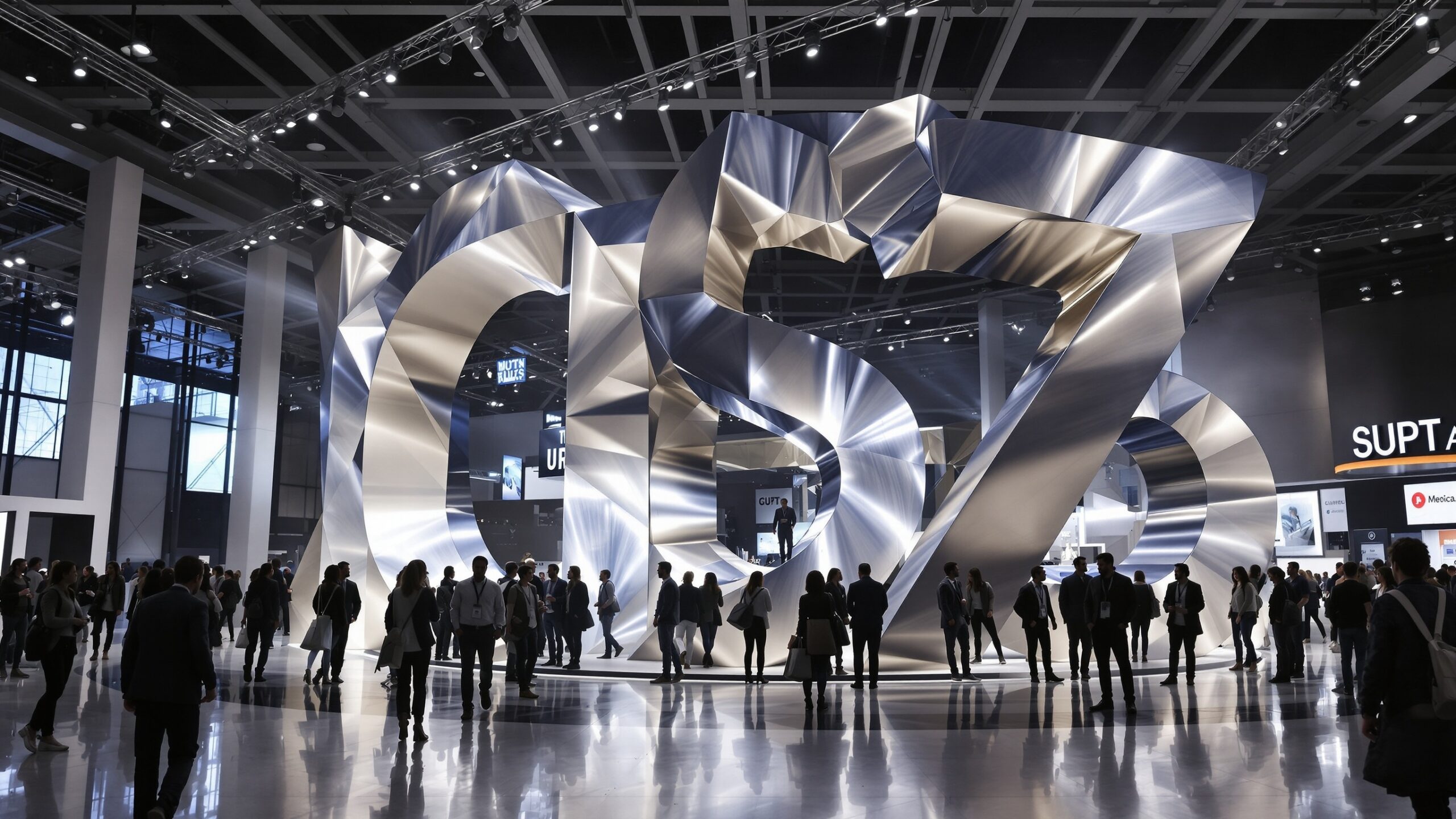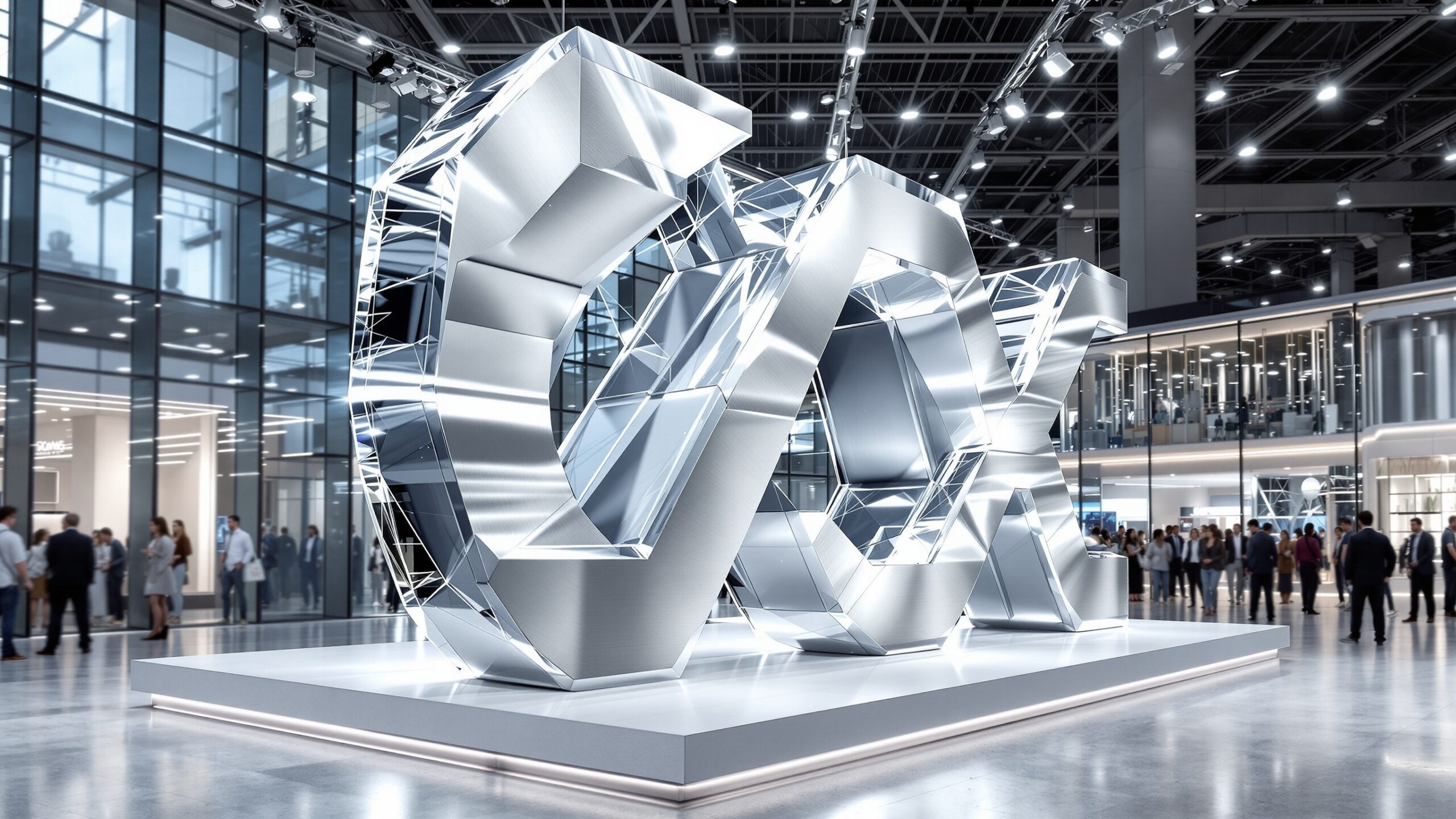
Trade shows are crowded, competitive environments where brands have only seconds to capture attention and create a lasting impression. In this high-stakes setting, visual impact is everything. One of the most powerful and proven ways to stop foot traffic and draw attendees into your space is through the use of giant 3D logos. These oversized, dimensional brand elements don’t just display your identity—they embody it. They transform a standard booth into an immersive, memorable experience that visitors can’t ignore. Giant 3D logos act as visual anchors, guiding attendees from across the show floor directly to your booth. They rise above the noise, literally and figuratively, creating a sense of scale, authority, and professionalism. When designed strategically, they become more than signage—they become conversation starters, photo backdrops, and brand storytelling tools.
A: They boost long-range visibility, strengthen branding, and help stop foot traffic in crowded aisles.
A: Foam, acrylic, PVC, wood, aluminum, and mixed-material builds are all popular depending on budget and finish goals.
A: Yes, lighting can dramatically increase visibility, mood, and photo appeal when done cleanly and professionally.
A: Suspended works for distant visibility, while floor-mounted designs are excellent for close-up interaction and photo moments.
A: Large enough to read from the aisle, but balanced so it does not overpower the rest of the exhibit.
A: Yes, especially when they are built in modular sections with durable materials and protective cases.
A: Matte and satin finishes are often easier to read, while gloss can work well with careful lighting control.
A: Absolutely—large branded focal points often become natural backdrops for attendee photos and shared content.
A: Yes, if scaled intelligently and integrated into the wall or header without crowding the visitor experience.
A: Strong scale, accurate branding, quality materials, smart lighting, and placement that naturally attracts people.
Why Giant 3D Logos Work in Trade Show Environments
The psychology behind large-scale visuals is rooted in human perception. People are naturally drawn to objects that stand out in size, depth, and uniqueness. A flat banner can easily blend into the background, but a towering, sculptural logo commands attention. It creates a sense of importance and legitimacy, signaling to attendees that your brand is worth noticing.
In a sea of booths competing for visibility, a giant 3D logo provides instant recognition. Attendees scanning the floor from a distance can quickly identify your brand without needing to read detailed signage. This is especially critical in large convention halls where sightlines are long and distractions are everywhere.
Beyond visibility, 3D logos also enhance memorability. The tactile, dimensional nature of these structures creates a stronger cognitive imprint. Visitors are more likely to remember a brand they can physically experience, photograph, or interact with compared to one they simply pass by.
Designing for Impact: Scale, Proportion, and Placement
Creating a successful giant 3D logo begins with thoughtful design. Size alone is not enough; proportion and placement are equally important. The logo must be large enough to stand out, but not so overwhelming that it disrupts the overall booth experience or violates venue regulations. Strategic placement is key. Suspended logos hanging from trusses can be seen from across the exhibition hall, acting as beacons that guide attendees to your location. Freestanding logos at the front of the booth create an inviting entrance, while backlit wall-mounted designs provide depth and visual intrigue. Proportion plays a critical role in maintaining brand integrity. Every curve, angle, and spacing detail must be accurate to your brand guidelines. Even minor distortions can affect recognition and professionalism. High-quality fabrication ensures that your logo maintains its intended form, regardless of scale.
Material Choices That Elevate Your Brand
The materials used in a giant 3D logo significantly influence its visual impact and perceived quality. Lightweight materials such as foam, acrylic, and PVC are commonly used for ease of transport and installation. However, the finish applied to these materials is what truly defines the final look.
High-gloss acrylic surfaces can create a sleek, modern aesthetic, reflecting light and adding a sense of sophistication. Brushed metal finishes convey durability and premium quality, making them ideal for industrial or tech-focused brands. Fabric-wrapped structures offer a softer, more approachable feel, often used in lifestyle and consumer-focused exhibits.
For brands looking to push creative boundaries, mixed-material designs can add depth and contrast. Combining matte and glossy finishes, or integrating metallic accents with illuminated elements, creates a layered visual experience that captures attention from multiple angles.
Lighting: The Secret Weapon of 3D Logo Design
Lighting transforms a giant 3D logo from a static object into a dynamic focal point. Proper illumination enhances depth, highlights contours, and ensures visibility in varying lighting conditions within the exhibition hall.
Backlighting is one of the most popular techniques, creating a glowing halo effect that makes the logo appear to float. This approach works particularly well for modern, high-tech brands seeking a clean and futuristic look. Edge lighting can emphasize the outline of the logo, adding definition and clarity.
For a more dramatic effect, programmable LED lighting can introduce motion and color transitions. Subtle animations or color shifts can draw the eye without overwhelming the viewer. The key is to maintain balance—lighting should enhance the logo, not distract from it.
Interactive and Experiential Logo Concepts
As trade shows evolve, so do attendee expectations. Static displays are no longer enough to capture sustained interest. Incorporating interactive elements into your giant 3D logo can elevate your booth from visually appealing to truly engaging. Touch-responsive lighting, motion sensors, or augmented reality integrations can create a memorable experience that encourages visitors to interact with your brand. For example, a logo that changes color when approached or reveals hidden details through a mobile app can spark curiosity and drive engagement. These experiential elements also increase dwell time, giving your team more opportunities to connect with potential customers. The longer visitors stay, the more likely they are to develop a meaningful impression of your brand.
Creating Photo-Worthy Moments
In today’s social media-driven landscape, every trade show booth should be designed with shareability in mind. Giant 3D logos naturally lend themselves to photo opportunities, serving as eye-catching backdrops that attendees are eager to capture and share.
Designing your logo with photography in mind can amplify your reach far beyond the physical event. Consider incorporating elements that encourage interaction, such as walk-through letters, seating integrated into the logo structure, or layered designs that create depth in photos.
When attendees share these images online, your brand gains exposure to a wider audience, extending the impact of your trade show presence. This organic promotion can be incredibly valuable, especially when combined with event-specific hashtags and strategic social media campaigns.
Structural Considerations and Fabrication Techniques
Behind every stunning giant 3D logo is a carefully engineered structure. Durability, stability, and safety are paramount, particularly in busy trade show environments where large crowds are constantly moving through the space.
Fabrication techniques vary depending on the complexity of the design. CNC cutting allows for precise shaping of materials, ensuring accuracy and consistency. 3D printing can be used for intricate details or unique forms that would be difficult to achieve through traditional methods.
Modular construction is often preferred for large-scale logos, allowing for easier transport and assembly. Sections can be disassembled, packed efficiently, and reassembled on-site without compromising the integrity of the design.
Aligning Your Logo with Overall Booth Design
A giant 3D logo should not exist in isolation. It must integrate seamlessly with the overall booth design, reinforcing your brand message and enhancing the visitor experience. Color consistency is essential. The logo should complement the booth’s color palette while maintaining brand accuracy. Surrounding elements, such as flooring, furniture, and graphics, should support the logo rather than compete with it. Spatial flow is another critical factor. The placement of the logo should guide visitors naturally through the booth, leading them toward key areas such as product displays, demo stations, or meeting spaces. When executed correctly, the logo becomes a central organizing element that enhances both aesthetics and functionality.
Budgeting for Maximum Impact
Investing in a giant 3D logo can yield significant returns, but it’s important to approach the process with a clear budget strategy. Costs can vary widely depending on size, materials, complexity, and lighting features.
Balancing cost and impact requires thoughtful decision-making. Prioritizing key features, such as high-quality finishes and effective lighting, can deliver strong visual results without unnecessary expenses. Reusability is another important consideration. Designing a logo that can be adapted for multiple events or booth configurations can maximize your investment over time.
Working with experienced fabricators and designers can help ensure that your budget is used efficiently. Their expertise can guide material selection, construction methods, and design choices that align with your goals.
Trends Shaping the Future of 3D Logo Design
The world of trade show design is constantly evolving, and giant 3D logos are no exception. Emerging trends are pushing the boundaries of creativity and technology, offering new ways to captivate audiences.
Sustainable materials are becoming increasingly important as brands seek to reduce their environmental impact. Recyclable and reusable components are gaining popularity, allowing companies to create stunning displays while maintaining eco-conscious practices.
Digital integration is another growing trend. Incorporating screens, projection mapping, or dynamic lighting systems into 3D logos creates hybrid experiences that blend physical and digital elements. These innovations open up new possibilities for storytelling and engagement.
Minimalist designs are also making a strong impact. Clean lines, simple forms, and strategic use of negative space can create powerful visuals that stand out without overwhelming the viewer. This approach emphasizes clarity and sophistication, appealing to modern audiences.
Common Mistakes to Avoid
While giant 3D logos offer immense potential, certain pitfalls can diminish their effectiveness. Overcomplicating the design is a common mistake. Too many elements, colors, or effects can create visual clutter, making it difficult for attendees to quickly understand your brand. Poor lighting can also undermine an otherwise strong design. Insufficient or uneven illumination can reduce visibility and impact, particularly in large exhibition halls with varying light conditions. Ignoring sightlines is another critical error. A logo that looks impressive up close may not be visible from a distance if it is placed too low or obstructed by other elements. Considering multiple viewing angles during the design process ensures maximum visibility.
Turning Attention into Engagement
Capturing attention is only the first step. The ultimate goal of a giant 3D logo is to convert that attention into meaningful engagement. Once visitors are drawn to your booth, the experience must deliver on the promise created by your visual presence.
Trained staff, interactive demonstrations, and compelling messaging all play a role in this process. The logo sets the stage, but the overall experience determines the outcome. When all elements work together, the result is a cohesive, impactful presence that resonates with attendees.
Designing for Lasting Impressions
Giant 3D logos are more than just eye-catching features; they are strategic tools that can transform your trade show presence. By combining thoughtful design, high-quality materials, effective lighting, and interactive elements, you can create a visual centerpiece that not only stops foot traffic but also leaves a lasting impression.
In a competitive environment where every brand is vying for attention, standing out requires more than standard solutions. It requires bold ideas, meticulous execution, and a deep understanding of how people experience space and design. A well-crafted giant 3D logo embodies all of these elements, serving as a powerful representation of your brand’s identity and ambition.
When executed with precision and creativity, these larger-than-life designs become more than just booth features—they become unforgettable experiences that drive engagement, spark conversations, and elevate your brand above the competition.