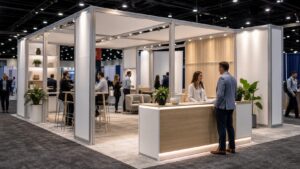
In the fast-moving world of trade shows, nothing commands attention quite like a booth built on a smart, flexible, and visually striking framework. Modular & Custom Frameworks sit at the center of today’s most innovative exhibit designs, giving brands the freedom to scale up, reconfigure, and express their identity with precision. Whether you’re crafting a sleek minimalist layout, engineering a towering multi-level display, or designing a fully immersive storytelling environment, these frameworks make it possible—transforming raw floor space into a dynamic brand experience. This section of Trade Show Streets is your gateway to understanding how modern framework systems are reshaping exhibit strategy. Explore how lightweight aluminum structures, customizable panels, magnetic connectors, and hybrid modular-custom builds can elevate your presence while keeping logistics efficient. Dive into insights on material choices, installation workflows, storage considerations, architectural accents, and the creativity that comes from mixing modular convenience with custom flair. If you’re ready to build smarter, stand taller, and create a booth that adapts to every show, Modular & Custom Frameworks is where your vision begins.
A: Modular systems reconfigure for different footprints, reuse core pieces, and usually reduce long-term costs.
A: Yes—custom graphics, lighting, and add-on structures create a tailored look on top of standard frames.
A: Start with your most common footprint, then ensure the framework can expand or shrink by removing segments.
A: Purchase suits frequent exhibitors; rental works well for testing new layouts or occasional large shows.
A: Many systems double as lobby displays, pop-up showrooms, or event backdrops with minimal changes.
A: A small modular booth can go up in 1–3 hours; larger island builds vary based on complexity and crew size.
A: Aluminum frameworks are lighter than wood builds, which helps reduce freight, drayage, and labor fees.
A: Absolutely—frameworks are built so printed SEG fabrics and panels can be swapped for new campaigns.
A: Most systems offer monitor mounts and cable channels to integrate screens, sound, and lighting safely.
A: Rotate layouts, refresh key graphics, and add or remove accessories while reusing your core framework.

Modular Trade Show Booths: The Complete Buyer’s Guide for 2026
A practical guide to Modular Trade Show Booths: The Complete Buyer’s Guide for 2026, with a fresh focus on technical planning. Learn how design choices, visitor behavior, and show-floor details work together inside a stronger exhibit.
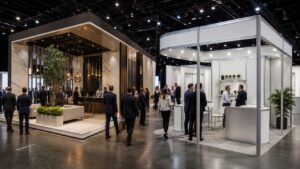
Custom vs Modular Booth Frameworks: Which One Delivers Better ROI?
A practical guide to Custom vs Modular Booth Frameworks: Which One Delivers Better ROI?, with a fresh focus on small-team practicality. Learn how design choices, visitor behavior, and show-floor details work together inside a stronger exhibit.
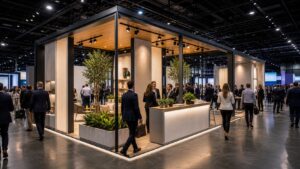
How to Design a Modular Booth That Stands Out on a Crowded Trade Show Floor
A practical guide to How to Design a Modular Booth That Stands Out on a Crowded Trade Show Floor, with a fresh focus on crowd magnetism. Learn how design choices, visitor behavior, and show-floor details work together inside a stronger exhibit.
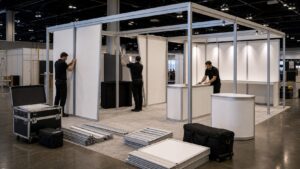
The Ultimate Guide to Portable Modular Booth Systems for Exhibitors
A practical guide to The Ultimate Guide to Portable Modular Booth Systems for Exhibitors, with a fresh focus on operational clarity. Learn how design choices, visitor behavior, and show-floor details work together inside a stronger exhibit.
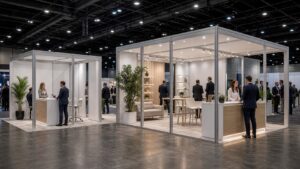
Best Modular Exhibit Systems for Small and Large Trade Show Booths
A practical guide to Best Modular Exhibit Systems for Small and Large Trade Show Booths, with a fresh focus on brand perception. Learn how design choices, visitor behavior, and show-floor details work together inside a stronger exhibit.
