

Foam & Sculpture Fabrication is where imagination becomes architecture—where raw blocks, flexible sheets, and high-density cores transform into the show-stopping structures that define modern trade show storytelling. In this world of sculpted curves, precision cuts, and larger-than-life forms, designers and fabricators use foam as their canvas to build the impossible: towering mascots, dimensional logos, futuristic landscapes, and immersive brand worlds that stop attendees in their tracks. This sub-category dives deep into the craftsmanship behind these visual spectacles, celebrating the blend of artistry, engineering, and technical finesse that brings 3D concepts to life. You’ll explore fabrication methods, coating techniques, carving technologies, finishing styles, structural supports, and the creative workflows that push foam sculpture far beyond simple props. Whether you’re shaping lightweight set pieces, designing custom booth elements, or crafting bold statement pieces for experiential events, this hub gives you the insight and inspiration to elevate every build. Welcome to the design lab where creativity expands in every direction—discover how foam becomes form, how fabrication becomes storytelling, and how sculpture brings unforgettable impact to the trade show floor.
A: Ideally 4–6 months out, longer for complex, engineered builds or multi-show reuse.
A: Yes—when paired with hard coats, smart armatures, and protective edges in high-contact zones.
A: Design in modular sections, robust crates, and touch-up strategies so the piece can tour.
A: With scenic artists, foam can mimic stone, metal, wood, or fabric so closely most guests never notice.
A: Your fabricator should select materials and treatments that align with local and show-specific codes.
A: 3D printing is great for small, precise parts; foam wins for large-scale, cost-effective structures.
A: Yes—plan cable paths, mounting pockets, and ventilation into the foam from the very first drawings.
A: All three matter; extreme detail and premium automotive-style finishes add the biggest jumps.
A: Use slipcovers, corner guards, and clear handling instructions for crews and freight teams.
A: Absolutely—foam can hide cabinets, tech rooms, closets, or seating if designed intentionally.
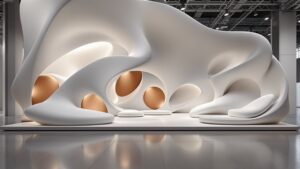
Foam Fabrication for Trade Show Booths: Complete Beginner-to-Pro Guide
Turn bold ideas into show-stopping trade show booths with foam fabrication. This complete guide walks you from beginner basics to pro-level techniques, helping you create lightweight, eye-catching displays that elevate your brand and captivate every passerby.

How to Build Custom Foam Sculptures That Steal Attention at Trade Shows
Turn your trade show booth into a must-see attraction with custom foam sculptures that captivate, engage, and inspire. From concept to finishing touches, discover how to create bold, photo-ready designs that stop traffic, spark conversations, and leave a lasting impression on every attendee.