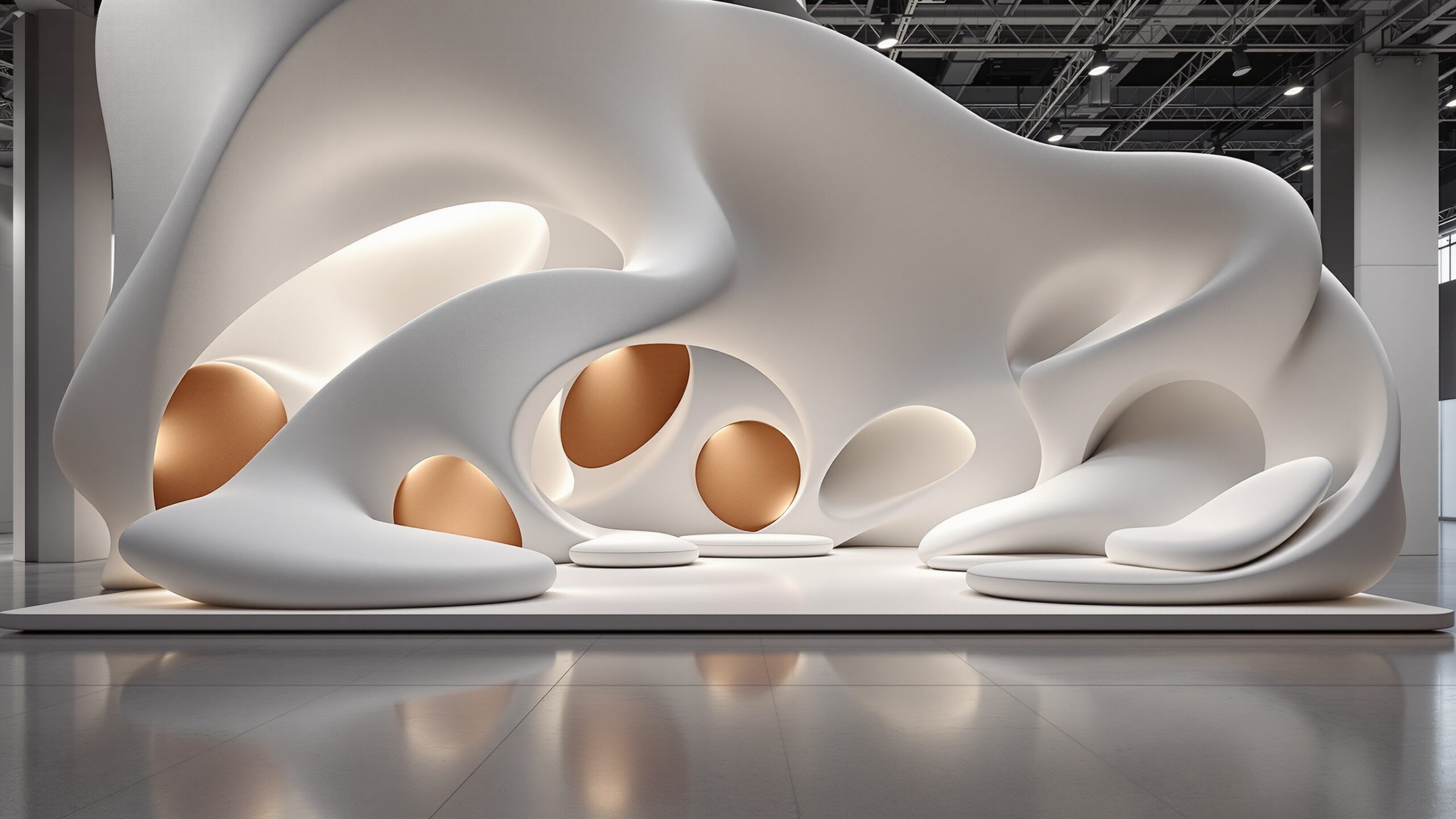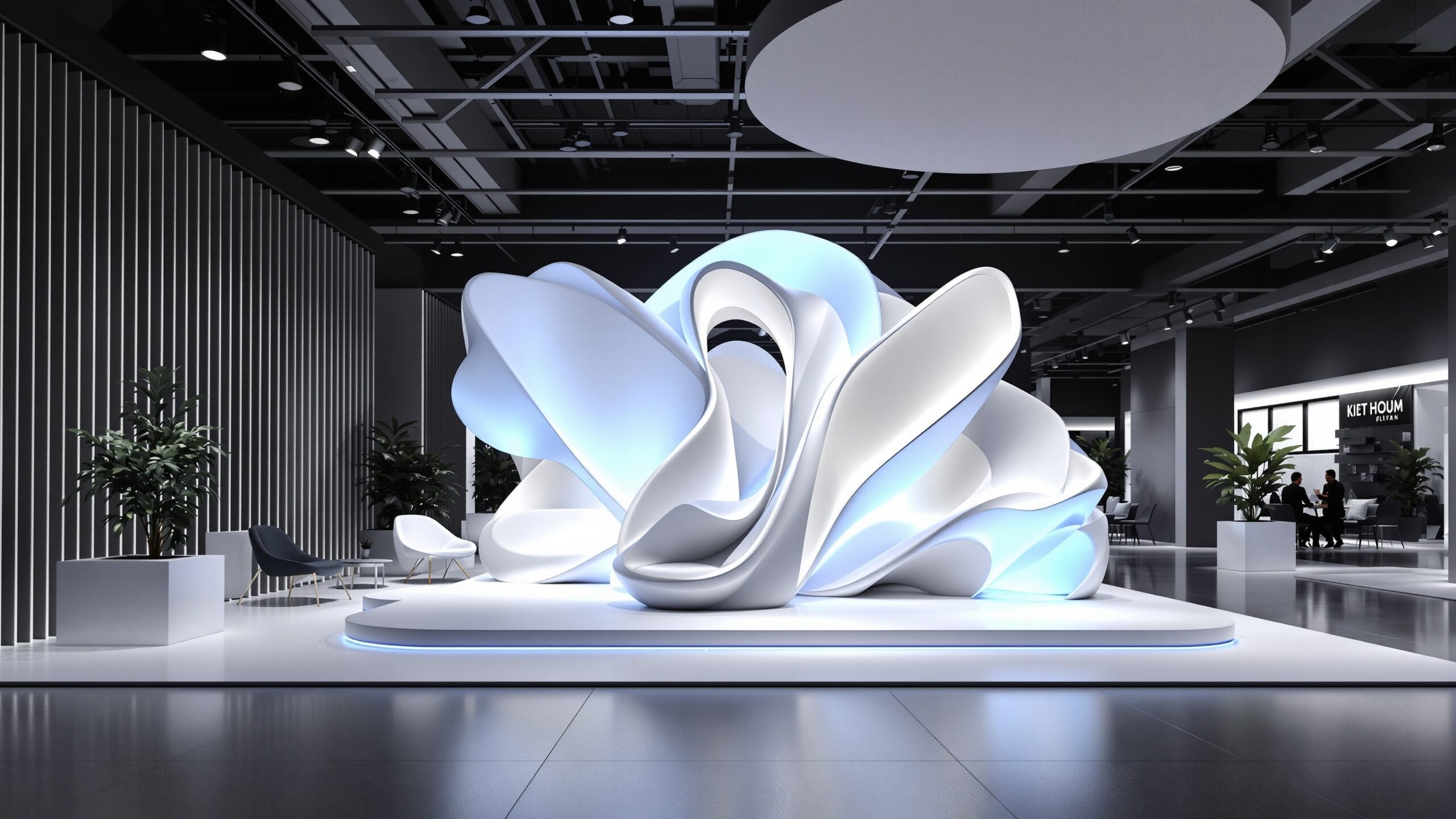
Trade shows are battles for attention. Rows of booths compete for fleeting glances, quick conversations, and memorable impressions. In that environment, standard displays often fade into the background. What stops people mid-stride—what pulls them in—is something bold, unexpected, and visually magnetic. That’s where custom foam sculptures come in. Foam sculptures have become one of the most effective ways to transform an ordinary booth into an immersive brand experience. Lightweight, versatile, and capable of achieving almost any shape, foam allows exhibitors to create oversized logos, interactive props, themed environments, and striking visual centerpieces that people can’t ignore. Whether you’re building a towering product replica or a whimsical branded installation, foam fabrication gives you the creative freedom to stand out. This guide will walk you through the entire process—from concept to execution—so you can build custom foam sculptures that don’t just decorate your booth, but define it.
A: Yes, especially for display use, when it is properly designed, reinforced, coated, and handled correctly.
A: EPS and XPS are common because they are lightweight, carvable, and practical for large scenic forms.
A: Absolutely—high-quality finishing can make foam resemble wood, stone, metal, concrete, or polished branded forms.
A: They can be, especially when built in modular sections with protective packing and clear assembly labels.
A: Use bold scale, clear branding, strong shapes, smart lighting, and a concept people understand instantly.
A: Yes, sculpted branding, dimensional lettering, and painted detail are common ways to customize foam pieces.
A: Yes, because it allows oversized, dramatic forms without the weight and cost of many harder materials.
A: Underestimating finishing time—sealing, smoothing, priming, and painting usually take longer than the rough carve.
A: Usually several sections are smarter for transport, storage, doorway clearance, and faster booth installation.
A: Yes, if it is built durably, packed well, and designed for repeated assembly at future events.
Why Foam Sculptures Dominate Trade Show Design
Trade shows reward visual impact, and foam offers an unmatched combination of flexibility and practicality. Unlike wood, metal, or fiberglass, foam is lightweight and easy to transport. It can be carved, cut, layered, and shaped into intricate designs without requiring heavy industrial equipment. At the same time, it can be finished to look like almost any material, from polished metal to stone to glossy plastic.
The real power of foam lies in its ability to scale ideas. Want a ten-foot version of your product? Foam makes it achievable. Need an abstract, sculptural brand statement that anchors your booth? Foam delivers that too. And because it’s relatively cost-effective compared to other materials, it allows brands to push creative boundaries without breaking budgets.
More importantly, foam sculptures are inherently photogenic. In today’s social-driven event landscape, anything that encourages attendees to take pictures—and share them—becomes a marketing multiplier.
Starting with a Concept That Captures Attention
Every great foam sculpture begins with a strong concept. Before you even think about materials or tools, you need clarity on what you want your sculpture to communicate. Trade show attendees are moving quickly, so your design must convey its message instantly. Think in terms of bold visual storytelling. Are you showcasing a product? Reinforcing brand identity? Creating an immersive theme? The most effective sculptures are rooted in a clear purpose. A giant version of your flagship product can communicate scale and importance. A stylized brand icon can reinforce recognition. A themed environment can transport visitors into your brand’s world. Simplicity is often more powerful than complexity. A single, well-executed focal piece will outperform a cluttered display of smaller elements. Focus on one idea and execute it with precision and confidence.
Choosing the Right Type of Foam
Not all foam is created equal. The type you choose will directly impact how your sculpture is built, finished, and transported.
Expanded Polystyrene (EPS) is one of the most common choices. It’s lightweight, affordable, and easy to cut, making it ideal for large structures and basic shapes. However, it has a textured surface that requires additional finishing for a smooth look.
Extruded Polystyrene (XPS) offers a smoother surface and higher density. It’s better suited for detailed work and cleaner finishes, though it can be more expensive.
Polyurethane foam is another option, often used for more intricate carvings and high-detail designs. It’s denser and more durable, but also heavier and costlier. Your choice depends on your design goals. For large-scale shapes with simple contours, EPS is usually sufficient. For refined, high-detail sculptures, XPS or polyurethane may be the better option.
Designing for Scale and Visibility
One of the biggest mistakes in trade show design is thinking too small. Your sculpture needs to be visible from a distance, ideally from across the exhibit hall.
Scale isn’t just about size—it’s about proportion. A sculpture should feel balanced within your booth while still commanding attention. Oversized elements work particularly well because they disrupt expectations. A product that’s normally handheld becomes unforgettable when it’s eight feet tall.
When designing, consider sightlines. How will your sculpture look from different angles? Will it block key areas of your booth or enhance them? A well-placed sculpture can act as a beacon, guiding visitors toward your space.
Lighting also plays a critical role. Sculptures should be designed with lighting in mind, as shadows and highlights can dramatically enhance their visual impact.
Tools and Techniques for Foam Fabrication
Building foam sculptures requires a mix of basic tools and specialized techniques. The good news is that many tools are accessible and relatively easy to learn.
Hot wire cutters are essential for clean, precise cuts. They allow you to slice through foam smoothly without tearing. For more detailed work, foam carving tools, rasps, and sanding blocks help refine shapes and add texture.
Adhesives are used to assemble larger structures. Foam-safe glues are critical, as certain chemicals can dissolve the material. Mechanical fasteners, such as dowels or internal supports, can add stability for larger builds.
Layering is a common technique. Instead of carving a massive block, you build up your shape using stacked layers of foam. This approach makes complex forms easier to achieve and reduces material waste. The key is to work progressively. Start with rough shapes, then refine and smooth until you achieve the desired form.
Creating a Durable Internal Structure
While foam is lightweight, large sculptures still need structural integrity. Without proper support, they can warp, sag, or become unstable.
Internal frameworks are often built using materials like PVC, wood, or lightweight metal. These structures act as a skeleton, providing stability and helping maintain the sculpture’s shape.
For tall or top-heavy designs, a sturdy base is essential. Weight distribution must be carefully considered to prevent tipping. In some cases, sculptures are anchored to the booth floor or integrated into the booth structure for added security.
Transport is another factor. Your sculpture should be designed in sections that can be easily assembled and disassembled. Modular construction not only simplifies logistics but also reduces the risk of damage during shipping.
Achieving a Professional Finish
Raw foam rarely looks impressive on its own. The finishing process is what transforms a basic structure into a polished, professional piece.
Start by sealing the foam. This step creates a smooth surface and protects the material from damage. Common sealants include foam coatings, resin layers, or specialized primers.
Once sealed, the sculpture can be painted. High-quality paints and airbrushing techniques can create realistic textures and finishes. Whether you’re aiming for a glossy, metallic look or a matte, natural finish, attention to detail is crucial.
Brand colors must be matched accurately. Consistency reinforces brand identity and ensures your sculpture aligns with the rest of your booth design. Graphics, decals, and additional elements can be added at this stage to enhance the overall look. The goal is to make the sculpture feel intentional and integrated, not like an afterthought.
Incorporating Interactivity and Engagement
The most memorable trade show experiences are interactive. Foam sculptures provide an opportunity to go beyond visual impact and create engagement. Consider how attendees might interact with your sculpture. Can they pose with it for photos? Does it include touchable elements? Is there a functional component, such as a display or demo area?
Interactivity increases dwell time, giving your team more opportunities to connect with visitors. It also encourages social sharing, extending your reach beyond the event itself. Even simple additions, like a photo-friendly backdrop or a clearly defined focal point, can make a significant difference.
Balancing Creativity with Brand Identity
While creativity is essential, it should never overshadow your brand. The best foam sculptures feel like a natural extension of your identity. Color, shape, and style should align with your brand guidelines. A sleek, modern brand might favor clean lines and minimalistic designs, while a playful brand might embrace bold colors and whimsical shapes. Your sculpture should also reinforce your message. If you’re promoting innovation, the design should feel forward-thinking. If you’re emphasizing reliability, it should feel solid and trustworthy. Consistency builds recognition, and recognition builds trust.
Planning for Logistics and Installation
Even the most stunning sculpture can fail if it’s not practical to transport and install. Logistics should be considered from the beginning of the design process.
Break your sculpture into manageable sections that fit within standard shipping constraints. Label components clearly to simplify assembly on-site.
Time is often limited during trade show setup, so your design should allow for quick and efficient installation. Pre-assembled sections, intuitive connections, and minimal tools can make a big difference.
Durability is equally important. Your sculpture should withstand handling, transport, and the hustle of a busy event floor without losing its integrity.
Budgeting Without Compromising Impact
Custom foam sculptures can range from relatively inexpensive to highly elaborate, depending on size, detail, and finishing. Budgeting starts with prioritization. Identify the elements that will have the greatest impact and allocate resources accordingly. A single, high-quality centerpiece is often more effective than multiple lower-quality pieces. Material choice, level of detail, and finishing techniques all influence cost. Working efficiently—using modular designs and minimizing waste—can help keep expenses under control. Investing in quality pays off. A well-executed sculpture not only enhances your current event but can often be reused for future shows.
Sustainability Considerations in Foam Fabrication
As sustainability becomes a growing concern in event design, it’s important to consider the environmental impact of your materials.
Some foam types are recyclable, while others are not. Exploring eco-friendly alternatives or working with vendors who offer recycling programs can reduce waste.
Designing for reuse is one of the most effective strategies. Modular sculptures that can be adapted for different events extend the lifespan of your investment and reduce environmental impact.
Even small choices, such as minimizing excess material and using efficient cutting techniques, contribute to a more sustainable approach.
Avoiding Common Mistakes
Building foam sculptures is as much about avoiding pitfalls as it is about executing ideas. One common mistake is underestimating scale. Designs that look impressive on paper may feel underwhelming in a large exhibit hall.
Another issue is neglecting structural integrity. Without proper support, sculptures can become unstable or damaged. Poor finishing is another frequent problem. Uneven surfaces, mismatched colors, or visible seams can diminish the overall impact.
Finally, overcomplication can work against you. Trying to include too many elements can dilute your message and overwhelm viewers.
Bringing It All Together: Creating a Show-Stopping Experience
At their best, foam sculptures do more than decorate a booth—they define it. They create a visual anchor that draws people in, sparks curiosity, and leaves a lasting impression.
Success comes from a combination of strong concept, thoughtful design, skilled fabrication, and meticulous finishing. Each step builds on the last, resulting in a piece that feels cohesive and intentional.
When executed well, a foam sculpture becomes a conversation starter, a photo opportunity, and a powerful representation of your brand. It transforms your booth from just another space into a destination.
Turning Ideas into Impact
Trade shows are opportunities to make bold statements. Custom foam sculptures give you the tools to do exactly that. They allow you to take abstract ideas and turn them into tangible, unforgettable experiences. By understanding the materials, mastering the techniques, and focusing on clear, impactful design, you can create sculptures that don’t just attract attention—they command it. In a crowded exhibition hall, standing out isn’t optional. It’s essential. And with the right approach, foam fabrication can be the difference between being seen and being remembered.