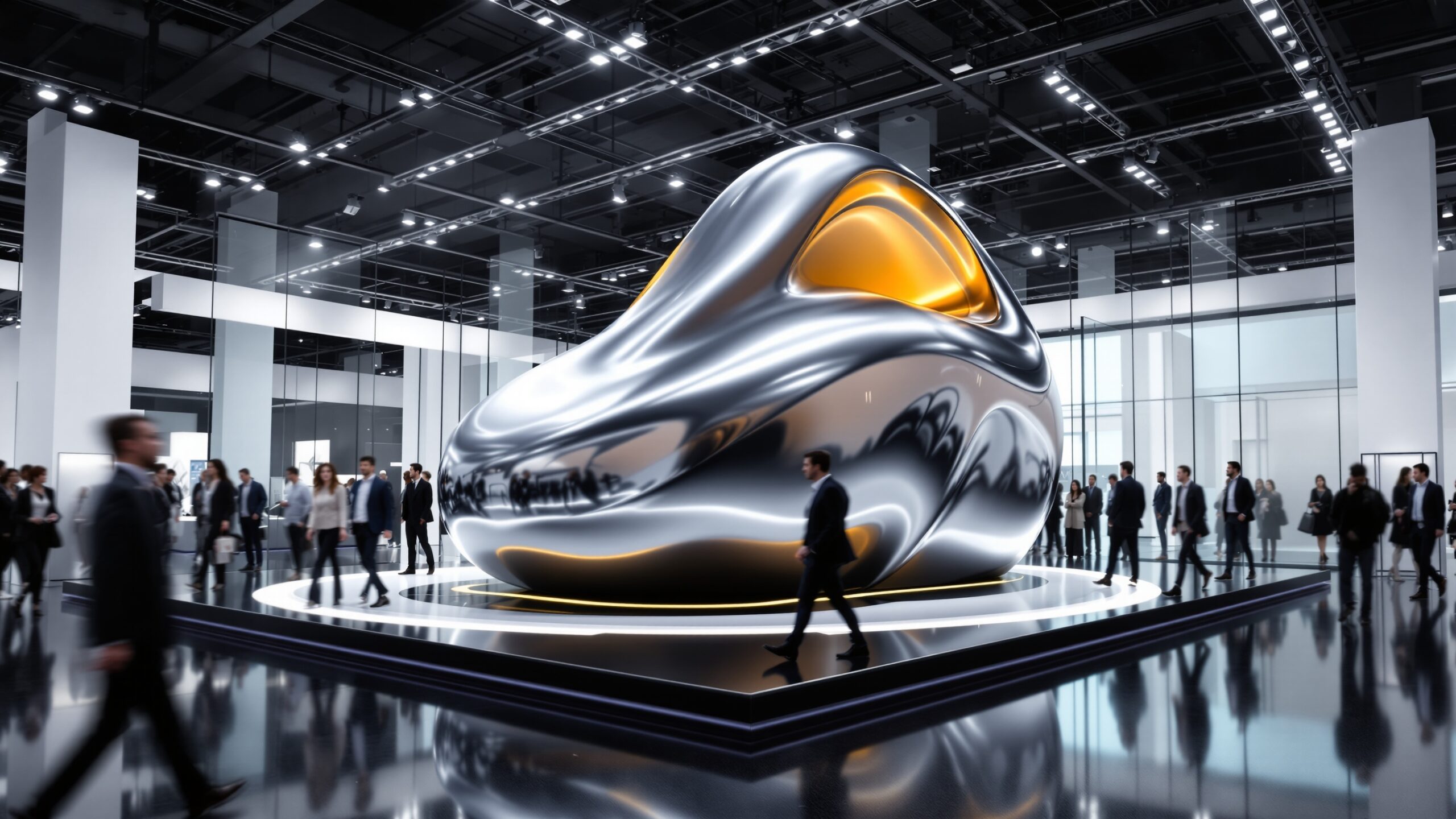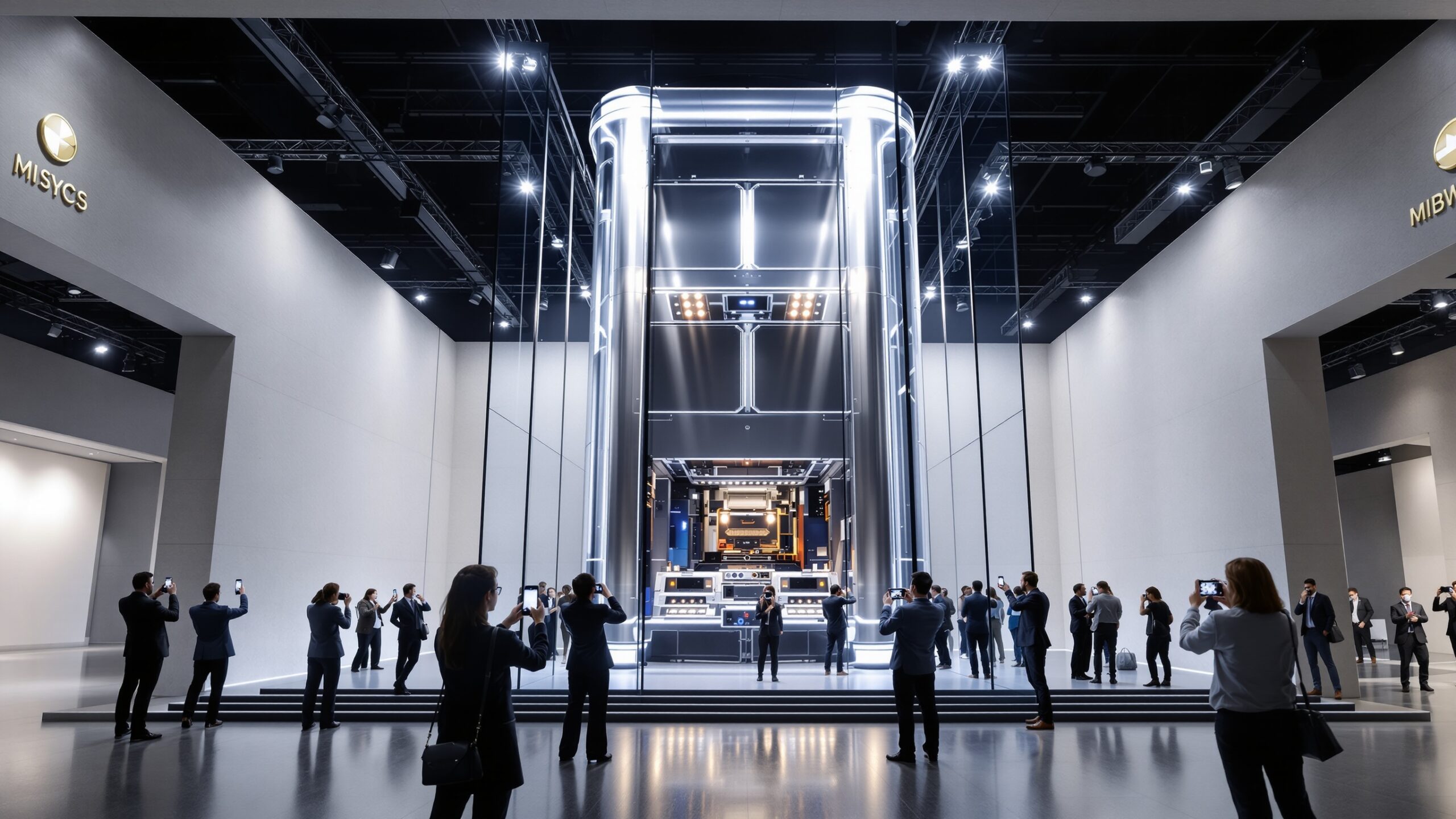
Walk into any major trade show and one truth becomes immediately clear: attention is currency. Amid a sea of banners, digital screens, and branded merchandise, the booths that stop people in their tracks are the ones that break expectations. Giant product replicas do exactly that. They transform familiar items into immersive, larger-than-life experiences that capture curiosity, spark conversation, and anchor brand memory. Scaling a product beyond its natural size taps into something deeply human. It creates a sense of wonder, disrupts visual patterns, and makes the ordinary feel extraordinary. Whether it’s a towering coffee cup, an oversized sneaker, or a massive version of a tech device, these installations act as visual magnets. Attendees instinctively gravitate toward them, often pulling out their phones to take photos, which extends the brand’s reach far beyond the booth itself. In a competitive environment where brands have only seconds to make an impression, giant replicas offer a strategic advantage. They not only draw traffic but also provide a storytelling platform that communicates product features, brand identity, and innovation in a single, impactful visual.
A: They can be, especially when they increase booth traffic, improve brand recall, and support reusable multi-show marketing.
A: Foam, fiberglass, wood, vacuformed plastic, metal framing, printed graphics, and specialty scenic finishes.
A: By tracking leads, booth traffic, social engagement, dwell time, press attention, and post-event brand lift.
A: Yes, many are built in modular sections for repeat shipping, storage, and refreshable graphics.
A: Timelines vary, but custom design, approvals, fabrication, and freight planning usually require significant lead time.
A: Large scale, premium finishes, interactivity, engineering, oversized freight, and complex installation requirements.
A: Often yes, especially for tall, suspended, lit, or unusually heavy structures.
A: Ideally both—the best pieces attract attention while supporting storytelling, flow, or engagement.
A: Making something large but not clearly branded, strategically placed, or relevant to the product story.
A: Yes, but scale should be controlled so the piece enhances visibility without swallowing usable booth space.
Designing for Impact: Turning a Product into an Experience
Creating a successful giant product replica begins with thoughtful design. It’s not simply about making something bigger—it’s about preserving the essence of the product while enhancing its visual and experiential appeal. The goal is to strike a balance between accuracy and theatricality.
The first step is identifying what makes the product iconic. This could be its shape, color, texture, or a specific feature that consumers instantly recognize. That defining element should be exaggerated or highlighted in the replica. For example, a beverage brand might emphasize condensation droplets or a glossy finish, while a tech company might focus on sleek lines and illuminated edges.
Scale plays a critical role in perception. A replica that is too small may fail to stand out, while one that is excessively large can overwhelm the booth or create logistical challenges. Designers often consider sightlines across the trade show floor, ensuring the replica is visible from multiple angles and distances.
Interactivity is another key factor. Modern trade show attendees expect more than passive displays. Integrating touchpoints—such as walk-through interiors, embedded screens, or augmented reality elements—can transform a static object into an engaging experience. A giant product can become a stage, a meeting space, or even a content creation hub for social media.
Lighting, finishes, and materials also contribute to the final effect. High-gloss coatings, realistic textures, and strategic lighting can elevate the replica from a novelty to a premium brand statement. The goal is not just to impress, but to align with the brand’s overall aesthetic and message.
Materials and Fabrication: Bringing Big Ideas to Life
Behind every giant replica is a combination of engineering, craftsmanship, and material science. The choice of materials depends on several factors, including size, weight, durability, and budget.
Foam is one of the most commonly used materials due to its versatility and lightweight properties. High-density foam can be carved into intricate shapes and then coated with hard finishes to create a durable surface. Fiberglass is another popular option, offering strength and a polished appearance, though it tends to be heavier and more expensive.
For structural integrity, especially in larger installations, internal frameworks made of wood, aluminum, or steel are often used. These frameworks provide stability and ensure the replica can withstand transportation and repeated assembly.
Surface treatments are where realism truly comes to life. Techniques such as airbrushing, vinyl wrapping, and resin coatings can replicate textures ranging from metallic finishes to soft-touch materials. Advanced fabrication shops may also use CNC machining or 3D printing to achieve precise details.
Logistics are an integral part of the fabrication process. Designers must consider how the replica will be transported, assembled, and disassembled. Modular construction is often employed, allowing the piece to be broken down into manageable sections. This not only reduces shipping costs but also simplifies on-site installation.
Cost Breakdown: What to Expect When Investing in Scale
The cost of a giant product replica can vary widely depending on complexity, size, materials, and level of detail. While it’s difficult to assign a one-size-fits-all price, understanding the key cost drivers can help brands plan effectively.
Design and concept development typically account for the initial investment. This phase includes sketches, 3D renderings, and engineering plans. A well-developed concept is crucial, as it sets the foundation for the entire project and minimizes costly revisions later.
Fabrication is often the largest expense. Material choices, labor, and finishing techniques all contribute to the final cost. Simple foam-based replicas may fall on the lower end of the spectrum, while highly detailed fiberglass or mixed-material builds can command significantly higher budgets.
Shipping and logistics are frequently underestimated. Large replicas require specialized transportation, and costs can increase depending on distance, size, and handling requirements. International trade shows add another layer of complexity, including customs and import regulations.
Installation and dismantling also factor into the budget. Skilled labor is often needed to assemble the replica on-site, particularly for complex or multi-piece structures. Some brands choose to work with exhibit partners who handle these logistics as part of a comprehensive service package.
Maintenance and storage should not be overlooked. If the replica is intended for multiple events, it may require repairs, touch-ups, or secure storage between shows. Planning for these ongoing costs ensures the investment remains viable over time.
ROI That Goes Beyond the Booth
The true value of a giant product replica lies in its return on investment, which extends far beyond immediate booth traffic. While increased footfall is a primary benefit, the ripple effects can be even more significant.
One of the most measurable impacts is lead generation. A visually striking booth attracts more visitors, which translates into more opportunities for engagement, demonstrations, and conversions. When paired with a strong sales strategy, this increased traffic can directly influence revenue.
Brand awareness is another major factor. Giant replicas create memorable experiences that attendees associate with the brand long after the event ends. This recall can influence future purchasing decisions and strengthen brand loyalty.
Social media amplification is perhaps the most powerful ROI driver in today’s digital landscape. Attendees are naturally inclined to photograph and share unique experiences. A well-designed replica can become a viral moment, generating organic content that reaches audiences far beyond the trade show floor. Each shared image acts as a micro-advertisement, extending the brand’s visibility at no additional cost.
Media coverage and industry buzz can also result from standout installations. Trade show organizers, journalists, and influencers often highlight the most innovative booths, providing additional exposure and credibility.
When evaluating ROI, it’s important to consider both quantitative and qualitative metrics. While lead counts and sales figures provide concrete data, factors such as brand perception, engagement quality, and social reach offer a more holistic view of success.
Strategic Integration: Aligning Replicas with Brand Goals
A giant product replica should never exist in isolation. It must be integrated into a broader marketing and branding strategy to maximize its effectiveness. This begins with aligning the replica’s design and messaging with the brand’s core objectives.
For product launches, a replica can serve as a dramatic reveal, drawing attention to new features and innovations. For established products, it can reinforce brand identity and highlight key selling points. In both cases, the replica should complement other booth elements, such as digital displays, demonstrations, and staff interactions.
Storytelling is a critical component. The replica should communicate a narrative that resonates with the target audience. This could involve showcasing the product’s benefits, illustrating its use in real-world scenarios, or emphasizing the brand’s values and vision.
Consistency across touchpoints is essential. From signage and messaging to staff training and promotional materials, every aspect of the booth should reinforce the same story. The replica acts as the centerpiece, but it must be supported by a cohesive and well-executed strategy.
Common Pitfalls and How to Avoid Them
While giant replicas offer significant advantages, they also come with potential challenges. One common mistake is prioritizing size over substance. A large installation that lacks relevance or clarity can confuse attendees rather than engage them. The design should always serve a clear purpose and communicate a specific message.
Another pitfall is underestimating logistics. Issues with transportation, assembly, or venue restrictions can disrupt the entire experience. Early planning and collaboration with experienced vendors can help mitigate these risks.
Budget mismanagement is also a concern. Without careful planning, costs can escalate quickly. Establishing a clear budget and working with transparent partners ensures that the project remains on track.
Finally, neglecting interactivity can limit the replica’s impact. In an era where engagement is key, static displays may fail to fully capture audience interest. Incorporating interactive elements enhances the overall experience and increases the likelihood of meaningful connections.
Sustainability Considerations in Large-Scale Builds
As sustainability becomes a priority across industries, trade show design is evolving to reflect more environmentally conscious practices. Giant product replicas can be designed with sustainability in mind without compromising visual impact.
Reusable materials and modular designs allow replicas to be used across multiple events, reducing waste and maximizing value. Lightweight materials can also lower transportation emissions, while eco-friendly coatings and finishes minimize environmental impact.
Some brands are exploring innovative approaches, such as incorporating recycled materials or designing replicas that can be repurposed after the event. These efforts not only reduce environmental footprint but also enhance brand reputation among increasingly eco-aware audiences.
The Future of Giant Replicas in Experiential Marketing
The evolution of trade show marketing is closely tied to advancements in technology and audience expectations. Giant product replicas are becoming more sophisticated, integrating digital elements that blur the line between physical and virtual experiences.
Projection mapping, interactive displays, and augmented reality are transforming replicas into dynamic storytelling platforms. These technologies allow brands to update content in real time, personalize experiences, and create deeper engagement.
As competition for attention continues to intensify, the demand for bold, innovative solutions will only grow. Giant replicas, when executed thoughtfully, will remain a cornerstone of experiential marketing, offering a powerful way to stand out and connect with audiences.
Bigger Isn’t Just Better—It’s Smarter
Giant product replicas are more than eye-catching installations—they are strategic tools that combine design, engineering, and marketing into a single, impactful experience. When executed effectively, they draw crowds, amplify brand visibility, and deliver measurable returns that extend far beyond the trade show floor.
Success lies in thoughtful planning, creative execution, and seamless integration with broader brand objectives. By focusing on design, managing costs, and prioritizing engagement, brands can transform scale into a competitive advantage.
In a world where attention is fleeting and competition is fierce, going big isn’t just about making noise. It’s about creating moments that resonate, experiences that are shared, and impressions that last.