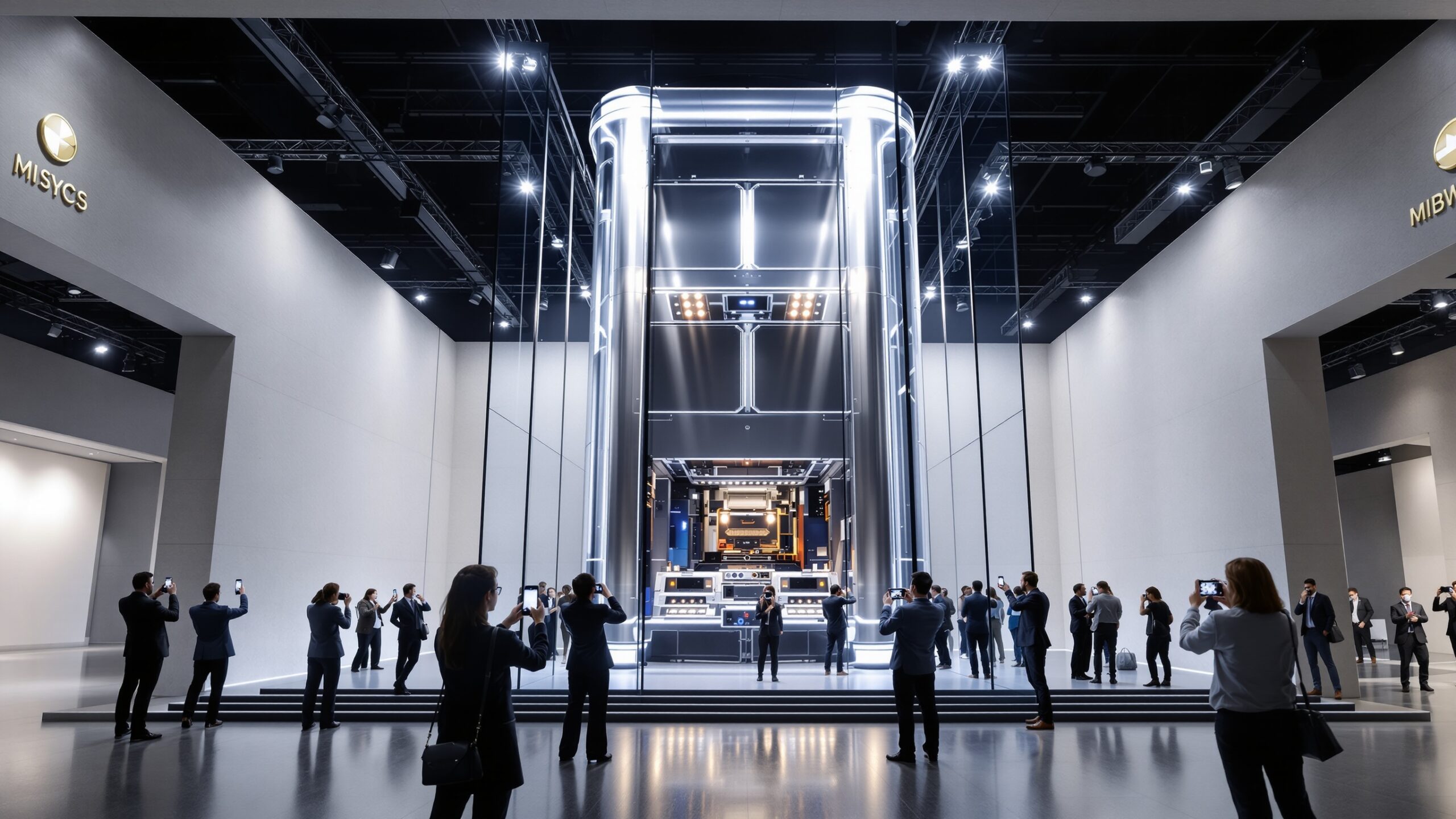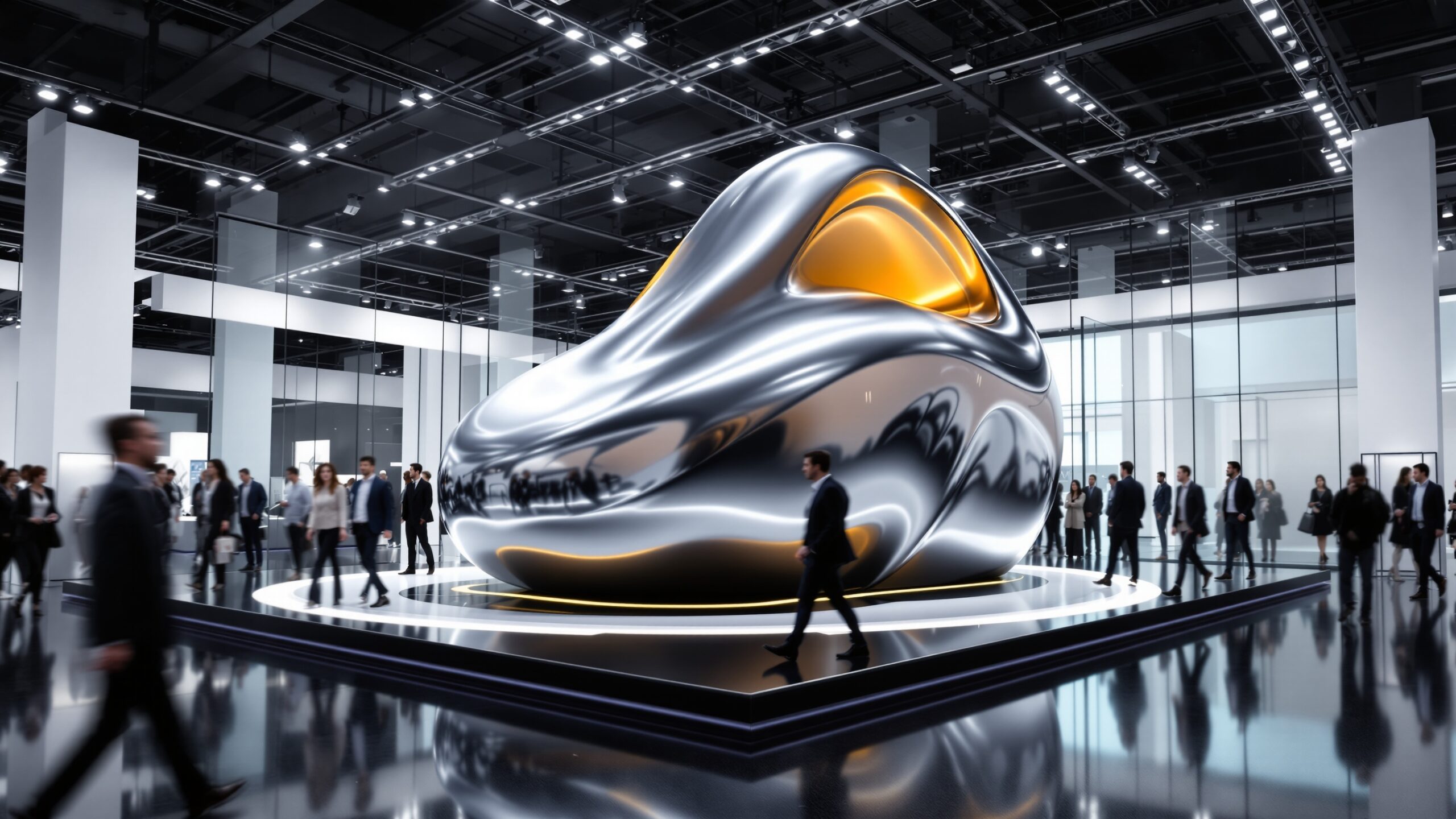
In the crowded, high-energy environment of a trade show, attention is currency—and most booths are competing for it with similar tactics: banners, screens, and product displays. Amid that visual noise, nothing disrupts the pattern quite like a bold, oversized product replica. Whether it’s a towering shampoo bottle, a massive sneaker, or a supersized coffee cup, these installations have a magnetic effect on attendees. They stop people mid-stride, spark curiosity, and create a moment of surprise that traditional displays simply can’t replicate. The effectiveness of giant product replicas lies in their ability to tap into human psychology. People are naturally drawn to scale shifts. When something familiar is presented in an unexpected size, it becomes instantly memorable. This phenomenon transforms your product from something people might glance at into something they feel compelled to explore, photograph, and share. In a trade show setting where first impressions are everything, that kind of impact is invaluable. But building a replica that truly stops booth traffic isn’t just about making something bigger. It’s about strategy, design precision, material choices, and storytelling. The most successful replicas are not only visually striking but also aligned with brand identity and built to perform under real-world conditions.
A: They grab attention fast, create strong visual memory, and give attendees a reason to stop, look, and engage.
A: Items with distinctive shapes, bold packaging, or instantly recognizable features usually perform best at scale.
A: Big enough to be seen from the aisle, but still proportional to the booth layout, sightlines, and venue rules.
A: Foam, fiberglass, wood, acrylic, metal armatures, printed graphics, and hard-coated finishes are common choices.
A: Yes—smart simplification, excellent finishing, and strong lighting can make mid-budget builds look impressive.
A: Usually yes, especially for touring exhibits, easier shipping, simpler setup, and lower long-term event costs.
A: If it supports the campaign goal; interaction can boost dwell time, but only when it is intuitive and reliable.
A: Typically near the aisle or as a visual anchor, while still preserving easy movement into the booth interior.
A: Track booth traffic, dwell time, lead volume, photo sharing, meeting starts, and overall brand recall after the event.
A: Building something visually large but strategically empty—great replicas need a clear marketing purpose, not just size.
Start With Strategy, Not Size
Before diving into design or fabrication, it’s critical to define the purpose of your replica. What role will it play in your booth experience? Is it meant to draw people in from across the aisle, serve as a photo opportunity, or act as a centerpiece that anchors your entire layout?
A clear objective guides every decision that follows. For example, a replica designed for long-distance visibility should prioritize bold shapes, strong contrast, and clean branding. On the other hand, a replica intended for close interaction might focus more on detail, texture, and tactile elements. Without this clarity, even the most visually impressive build can fall short of its intended impact.
Audience consideration is equally important. Think about who you’re trying to attract and what will resonate with them. A tech audience might respond to sleek, futuristic aesthetics, while a consumer lifestyle crowd might gravitate toward warmth, color, and familiarity. The goal is not just to stand out, but to stand out in a way that feels relevant and inviting.
Choosing the Right Product to Replicate
Not every product translates well into a large-scale replica. The best candidates are those with strong visual identity and recognizable shapes. Items with distinctive silhouettes, bold packaging, or iconic design elements tend to perform exceptionally well because they are instantly identifiable, even from a distance.
Simplicity often works in your favor. A product with clean lines and a clear form can be scaled up without becoming visually confusing. Highly complex items with intricate details may lose clarity when enlarged or require significantly more resources to execute effectively. The key is to find a balance between recognizability and feasibility.
Brand alignment should always remain front and center. The replica should feel like a natural extension of your product and your overall brand story. Colors, finishes, typography, and proportions all need to be consistent with your real-world offering. When done correctly, the replica becomes more than a display—it becomes a larger-than-life embodiment of your brand.
Designing for Visual Impact
Once the concept is defined, the design phase is where your replica begins to take shape—literally and creatively. This stage requires a careful blend of artistic vision and technical planning. The goal is to create something that is not only visually striking but also structurally sound and practical for transport and installation.
Proportion plays a critical role in how the replica is perceived. Scaling up a product is not always a simple matter of enlarging dimensions. Certain elements may need to be exaggerated or simplified to maintain visual balance at a larger size. Designers often adjust proportions slightly to ensure the replica looks “right” to the human eye, even if it’s not a perfect 1:1 scale enlargement.
Color and finish are equally important. High-contrast color schemes tend to perform well in busy environments, helping the replica stand out against the visual clutter of a trade show floor. Finishes can range from matte and soft-touch to glossy and reflective, depending on the desired effect. Each choice contributes to how the replica interacts with light and how it is perceived from different angles.
Lighting should also be considered as part of the design, not an afterthought. Integrated lighting can enhance depth, highlight key features, and create a sense of drama that draws attention from afar. When used effectively, lighting transforms a static object into a dynamic visual experience.
Materials That Make It Possible
The materials you choose will have a significant impact on the look, durability, and cost of your replica. Common options include foam, fiberglass, wood, and various composites, each with its own advantages and limitations.
Foam is often used for its lightweight properties and ease of shaping. It allows for intricate forms and is ideal for large structures that need to be transported and assembled on-site. Fiberglass, on the other hand, offers durability and a smooth, high-quality finish, making it suitable for replicas that require a polished, premium appearance.
Wood and metal may be used for internal framing to provide structural integrity, especially for larger installations. The combination of a strong internal structure and a lightweight exterior shell ensures that the replica remains stable while still being manageable in terms of logistics.
Surface treatments, such as paint, laminates, or vinyl wraps, are what bring the replica to life. These finishes must be applied with precision to accurately replicate branding elements and create a cohesive look. Attention to detail at this stage is what separates a good replica from a truly exceptional one.
Engineering for Stability and Safety
An eye-catching replica is only effective if it is safe and reliable. Trade show environments come with strict regulations and practical challenges, including limited setup time, heavy foot traffic, and varying floor conditions. Engineering considerations must be integrated into the design from the very beginning.
Weight distribution is a key factor. The replica must be stable enough to withstand movement around it, including accidental bumps or vibrations. This often involves designing a solid base or incorporating anchoring systems that secure the structure in place.
Modularity can also play a significant role. Large replicas are often built in sections that can be assembled on-site. This approach simplifies transportation and allows for easier adjustments during setup. Each component must fit together seamlessly while maintaining the overall structural integrity of the piece.
Compliance with venue regulations is non-negotiable. Fire safety, material certifications, and height restrictions are just a few of the factors that must be addressed. Working with experienced fabricators who understand these requirements can help prevent costly delays or last-minute modifications.
Creating a Share-Worthy Experience
In today’s digital landscape, the success of a trade show installation extends beyond the physical booth. A well-designed replica has the potential to become a social media magnet, amplifying your brand’s reach far beyond the event itself.
To achieve this, the replica should be designed with photography in mind. Consider how attendees will interact with it and where they are likely to stand when taking photos. Incorporating elements that encourage engagement—such as a platform to stand on or a space to step inside—can turn a passive display into an active experience.
The background and surrounding environment should also be considered. A clean, visually appealing backdrop ensures that photos look polished and shareable. When attendees post these images online, your brand becomes part of their story, reaching new audiences organically.
Subtle branding can enhance this effect without overwhelming the experience. The goal is to make the replica instantly recognizable while still allowing the user to feel like they are part of the moment. When done right, every photo becomes a piece of marketing content created and shared by your audience.
Logistics: From Concept to Show Floor
Bringing a large-scale replica to life involves careful planning and coordination. Timelines must account for design, fabrication, testing, and transportation. Rushing any of these مراحل can compromise quality and increase the risk of issues during installation.
Transportation is often one of the most complex aspects. The size and shape of the replica will determine how it is packaged and shipped. Custom crates, protective materials, and specialized handling may be required to ensure it arrives in perfect condition.
Installation is another critical phase. The process should be streamlined and efficient, especially in environments where setup windows are limited. Clear instructions, labeled components, and a well-trained team can make a significant difference in how smoothly the installation unfolds.
Contingency planning is essential. Unexpected challenges can arise, from shipping delays to on-site constraints. Having backup solutions in place ensures that your booth can still deliver a strong visual impact, even if adjustments are needed.
Budgeting for Maximum Impact
While giant product replicas can be a significant investment, they often deliver a strong return when executed effectively. Budgeting should be approached strategically, with a focus on maximizing impact rather than simply minimizing cost.
Key cost factors include materials, labor, design complexity, transportation, and installation. Each of these elements can vary widely depending on the scale and intricacy of the project. Prioritizing the aspects that contribute most to visual impact—such as size, finish, and lighting—can help ensure that the investment translates into real results.
It’s also important to consider the lifespan of the replica. A well-built piece can be reused across multiple events, spreading the cost over time and increasing overall value. Designing with durability and adaptability in mind can turn a one-time installation into a long-term asset.
Measuring Success and ROI
The effectiveness of a product replica can be measured in several ways. Foot traffic is one of the most immediate indicators. A noticeable increase in booth visitors suggests that the replica is successfully drawing attention and encouraging engagement.
Lead generation is another key metric. If more visitors are entering your booth and interacting with your team, there is a greater opportunity to convert those interactions into meaningful connections. The replica acts as a gateway, bringing people in and setting the stage for deeper conversations.
Social media engagement provides additional insight. Photos, shares, and mentions can significantly extend your brand’s visibility beyond the event. Tracking these interactions helps quantify the broader impact of your installation.
Ultimately, the success of a replica is not just about how many people see it, but how it influences their perception of your brand. A memorable, high-quality installation can elevate your brand image, positioning you as innovative, bold, and worthy of attention.
Bringing It All Together
Building an eye-catching product replica that stops booth traffic instantly is both an art and a science. It requires a clear strategy, thoughtful design, the right materials, and precise execution. When all of these elements come together, the result is more than just a display—it’s an experience that captures attention, sparks curiosity, and creates lasting impressions. In a competitive trade show environment, standing out is no longer optional. It’s essential. A well-crafted replica gives you the power to break through the noise, draw people in, and tell your brand story in a way that is both visual and unforgettable. With the right approach, your booth can become not just a destination, but a highlight of the entire event.