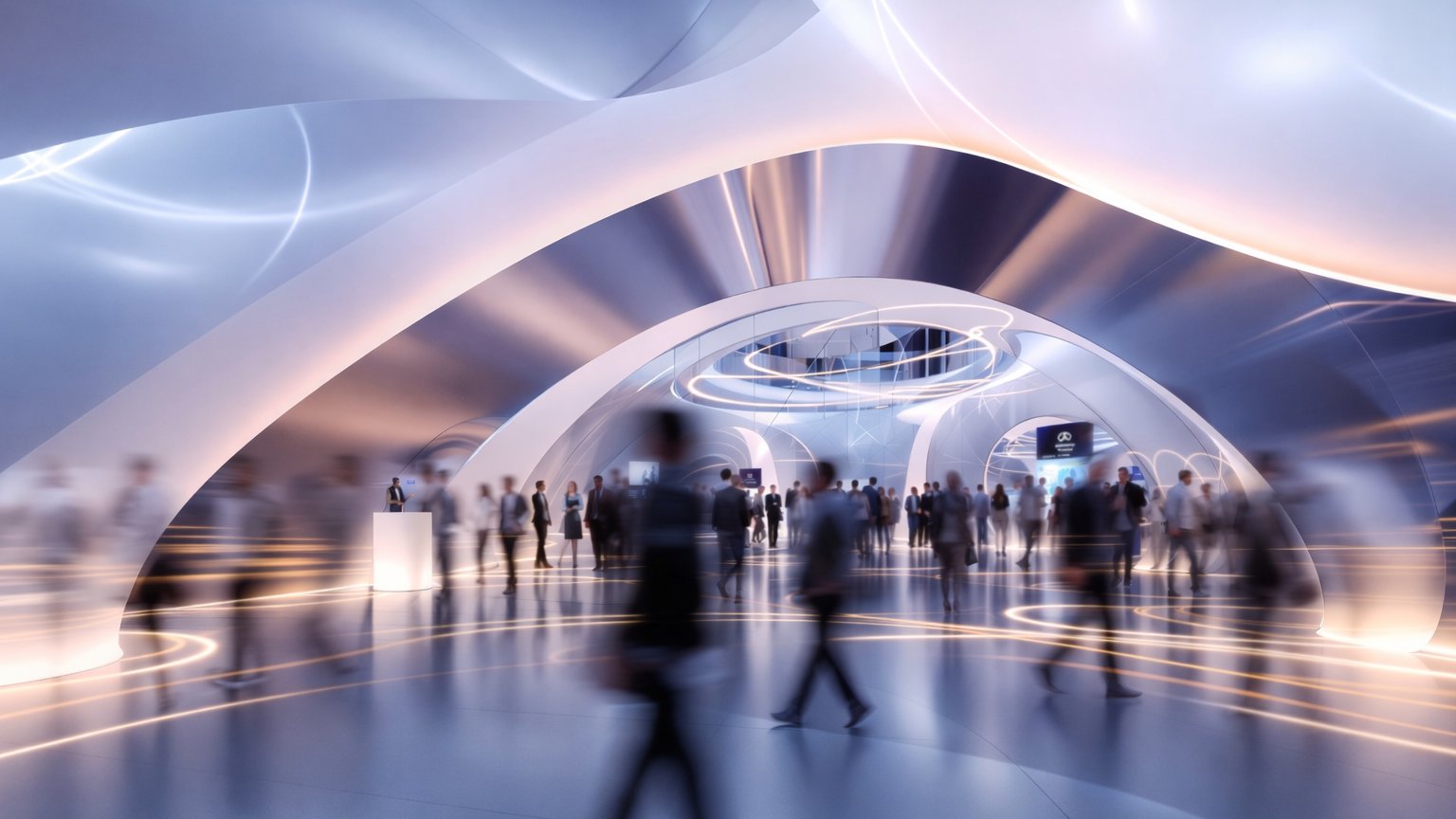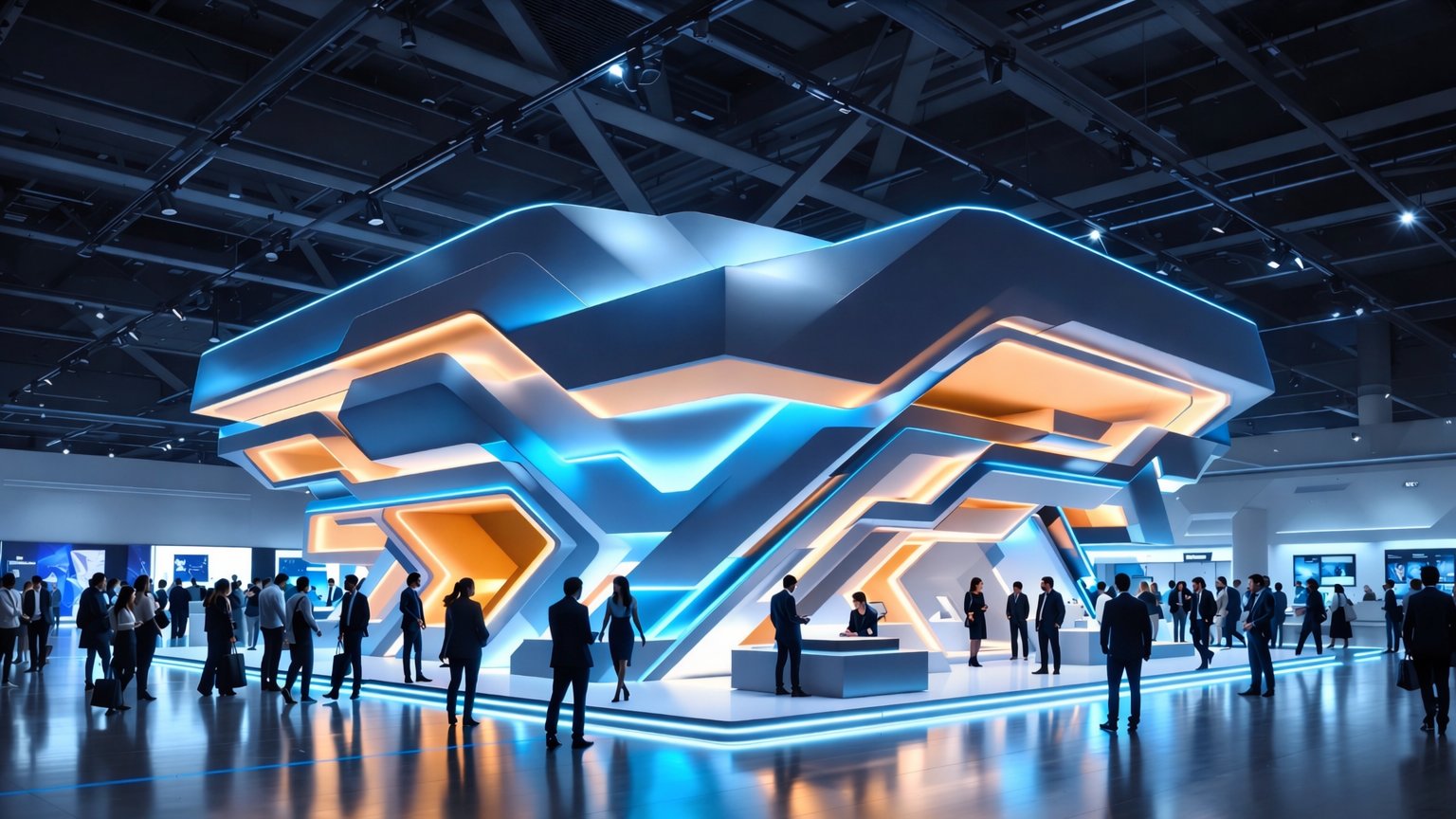
In the fast-paced world of trade shows, attention is the most valuable currency. With dozens—sometimes hundreds—of brands competing within the same space, the difference between being noticed and being overlooked often comes down to one thing: visual impact. Eye-catching set pieces are not just decorative elements; they are strategic tools that communicate your brand’s identity, spark curiosity, and invite engagement. When designed thoughtfully, they transform a simple booth into an immersive experience that attendees remember long after the event ends. Creating compelling set pieces for trade show booths requires a blend of creativity, marketing insight, spatial awareness, and practical engineering. It’s not just about making something that looks impressive—it’s about designing something that works. From the first sketch to the final installation, every decision should serve a purpose: attracting attention, telling a story, and encouraging interaction.
A: Strong shape, strategic lighting, bold contrast, and a clear focal purpose make it stand out.
A: No; it works best when it also supports traffic flow, storytelling, demos, or photo moments.
A: Tall enough to improve visibility from the aisle, while still fitting venue rules and sightline goals.
A: They can be, especially when reused across multiple events and designed for modular flexibility.
A: Aluminum frames, fabric graphics, acrylic, wood-look panels, LED lighting, and lightweight decorative textures.
A: Limit competing focal points, keep walkways open, and use negative space intentionally.
A: Yes; smart lighting, layered backdrops, sculptural elements, and flooring can create major impact in small footprints.
A: Absolutely; lighting adds depth, emphasis, mood, and visibility that flat graphics alone cannot create.
A: Building something flashy that blocks traffic, hides the message, or overwhelms the brand story.
A: Define the booth’s main goal first, then design the scenic centerpiece to support that outcome.
Understanding the Purpose of Set Pieces
Before diving into materials, colors, or lighting, it’s essential to define the purpose of your set pieces. At their core, these elements function as visual anchors. They draw people in from across the exhibition floor, acting as beacons that signal something worth exploring.
But beyond grabbing attention, set pieces also communicate. They can instantly convey your brand’s personality—whether it’s innovative, luxurious, playful, or cutting-edge. A sleek, minimalist installation might suggest precision and sophistication, while a bold, oversized sculpture could communicate energy and creativity.
Set pieces also help guide the visitor journey. They create focal points that direct traffic flow and encourage attendees to move deeper into your booth. When used effectively, they turn passive observers into active participants, increasing dwell time and boosting the likelihood of meaningful interactions.
Designing with a Strong Concept
Every memorable set piece begins with a clear concept. This concept should align with your brand message and the goals of your trade show presence. Rather than designing something visually impressive for its own sake, focus on creating a cohesive idea that ties everything together.
Start by asking what story you want to tell. Are you launching a new product? Highlighting innovation? Reinforcing trust and reliability? Once you have a narrative, translate it into a visual language. This could take the form of a central installation, thematic decor, or a series of interconnected elements that build a cohesive environment.
For example, a tech company might create a futuristic environment with illuminated panels and interactive displays, while a sustainable brand might use reclaimed materials and natural textures to emphasize eco-conscious values. The key is consistency. Every element—from color palette to material choice—should reinforce the overarching concept.
Choosing the Right Scale and Proportions
Scale is one of the most powerful tools in set piece design. Large, bold elements naturally attract attention, especially in crowded environments where visibility is limited. However, bigger is not always better. The goal is to create a sense of presence without overwhelming the space or disrupting functionality.
Consider the dimensions of your booth and the surrounding environment. A towering structure might stand out, but it could also block sightlines or violate venue regulations. Instead, think about proportion and balance. A well-placed medium-sized installation with strong visual contrast can be just as effective as an oversized display.
Height is particularly important in trade show environments. Elevated elements can be seen from across the floor, acting as visual landmarks that guide attendees to your booth. Suspended structures, vertical displays, and layered designs can all help maximize visibility without taking up valuable floor space.
Materials That Make an Impact
The choice of materials plays a crucial role in both aesthetics and practicality. High-quality materials not only enhance the visual appeal of your set pieces but also communicate professionalism and attention to detail. Wood, metal, acrylic, fabric, and foam are among the most commonly used materials in trade show design. Each offers unique advantages. Wood adds warmth and authenticity, metal conveys strength and modernity, acrylic provides a sleek, polished look, and fabric allows for flexibility and softness.
Innovative materials can also elevate your design. LED panels, mirrored surfaces, and translucent elements can create dynamic visual effects that change with lighting conditions. Sustainable materials, such as recycled plastics or biodegradable composites, are increasingly popular and can reinforce environmentally conscious branding. Durability is equally important. Trade show set pieces must withstand transportation, assembly, and repeated use. Choosing materials that are both visually appealing and structurally sound ensures that your investment delivers long-term value.
Lighting as a Design Element
Lighting is often the difference between a good set piece and a great one. It enhances visibility, creates mood, and draws attention to key features. When used strategically, lighting can transform even simple structures into captivating focal points.
Consider layering different types of lighting. Ambient lighting provides overall illumination, while accent lighting highlights specific elements. Backlighting can create depth and drama, especially when used with translucent materials. Dynamic lighting, such as color-changing LEDs, can add movement and energy to your booth.
Lighting should also align with your brand identity. Warm tones can create a welcoming atmosphere, while cool tones suggest innovation and precision. The interplay of light and shadow can be used to guide the viewer’s eye, emphasizing the most important aspects of your display.
Incorporating Interactive Elements
In today’s experiential marketing landscape, static displays are no longer enough. Attendees expect engagement. Incorporating interactive elements into your set pieces not only captures attention but also creates memorable experiences.
Touchscreens, motion sensors, augmented reality, and gamified installations can all enhance interactivity. Even simple elements, such as writable surfaces or physical props, can encourage participation. The key is to make the interaction intuitive and meaningful.
Interactive set pieces should serve a purpose beyond entertainment. They should educate, inform, or reinforce your brand message. For example, a product demo integrated into a sculptural installation can provide both visual impact and practical value.
Color Psychology and Visual Contrast
Color is a powerful tool for attracting attention and evoking emotion. Bold, high-contrast color schemes can make your set pieces stand out in a sea of neutral booths. At the same time, color choices should align with your brand identity and messaging.
Bright colors like red and orange can create a sense of urgency and excitement, while blues and greens convey calmness and trust. Monochromatic palettes can be sophisticated and modern, especially when combined with interesting textures and lighting.
Contrast is equally important. Combining light and dark elements, smooth and textured surfaces, or matte and glossy finishes can create visual interest and depth. This not only makes your set pieces more appealing but also helps guide the viewer’s attention.
Engineering for Practicality and Portability
While creativity is essential, practicality cannot be overlooked. Trade show set pieces must be designed with logistics in mind. This includes transportation, assembly, disassembly, and storage.
Modular designs are particularly effective. By breaking down large structures into smaller components, you can simplify transportation and reduce setup time. Lightweight materials can also make handling easier without compromising visual impact.
Ease of assembly is critical, especially when working within tight setup schedules. Clear instructions, minimal tools, and intuitive connections can save time and reduce stress. Designing for repeat use ensures that your set pieces remain valuable across multiple events.
Creating a Cohesive Booth Experience
Set pieces should not exist in isolation. They are part of a larger environment that includes graphics, furniture, signage, and staff interactions. Ensuring that all elements work together creates a cohesive and immersive experience.
Think of your booth as a stage and your set pieces as the main attractions. Supporting elements should complement, not compete with, these focal points. Consistent branding, coordinated colors, and unified messaging help create a seamless experience that feels intentional and professional.
The layout should also support the flow of visitors. Clear pathways, inviting entry points, and strategically placed focal areas encourage exploration. When everything works together, your booth becomes more than just a display—it becomes a destination.
Leveraging Technology for Innovation
Technology opens up new possibilities for set piece design. Digital displays, projection mapping, and responsive environments can create dynamic, ever-changing visuals that captivate audiences. Projection mapping, for example, allows you to transform ordinary surfaces into animated canvases. This can be particularly effective for storytelling, as it enables you to showcase multiple messages within a single installation. Responsive technology, such as sensors that react to movement, can create personalized experiences that feel unique to each visitor. Integrating technology requires careful planning. It should enhance, not overshadow, your core message. Reliability is also crucial, as technical issues can disrupt the visitor experience.
Budgeting Without Compromising Impact
Building eye-catching set pieces does not necessarily require an unlimited budget. With strategic planning and creative problem-solving, it’s possible to achieve impressive results without overspending.
Prioritize elements that deliver the greatest impact. A single standout piece can be more effective than multiple smaller ones. Reusable components, rental options, and cost-effective materials can help maximize your budget.
Collaborating with experienced designers and fabricators can also lead to smarter solutions. Their expertise can help you avoid costly mistakes and identify opportunities for efficiency.
Measuring Success and Iterating
The effectiveness of your set pieces should be evaluated after each event. Metrics such as foot traffic, dwell time, lead generation, and attendee feedback can provide valuable insights.
Observing how visitors interact with your booth can reveal what works and what doesn’t. Are certain areas more popular than others? Do attendees engage with interactive elements? Are there any bottlenecks or areas of confusion?
Use this information to refine your approach. Continuous improvement ensures that your set pieces become more effective over time, delivering greater returns on your investment.
The Future of Trade Show Set Design
As trade shows continue to evolve, so do the expectations of attendees. Immersive experiences, sustainability, and personalization are becoming increasingly important. Set pieces will play a central role in meeting these expectations.
Designers are exploring new materials, technologies, and storytelling techniques to create environments that are not only visually stunning but also meaningful. The integration of digital and physical elements is blurring the line between reality and imagination, opening up new possibilities for engagement.
Sustainability is also shaping the future of set design. Reusable structures, eco-friendly materials, and energy-efficient lighting are becoming standard practices. Brands that prioritize sustainability can use their set pieces to communicate their commitment to responsible practices.
Bringing It All Together
Building eye-catching set pieces for trade show booths is both an art and a science. It requires a deep understanding of design principles, brand strategy, and practical constraints. When executed effectively, these elements come together to create experiences that captivate, engage, and inspire.
From concept development to material selection, from lighting design to interactivity, every detail contributes to the overall impact. By focusing on clarity of purpose, creativity, and execution, you can transform your trade show presence into something truly unforgettable.
In a crowded exhibition hall, where every brand is vying for attention, your set pieces are your voice. Make them bold, make them meaningful, and most importantly, make them memorable.