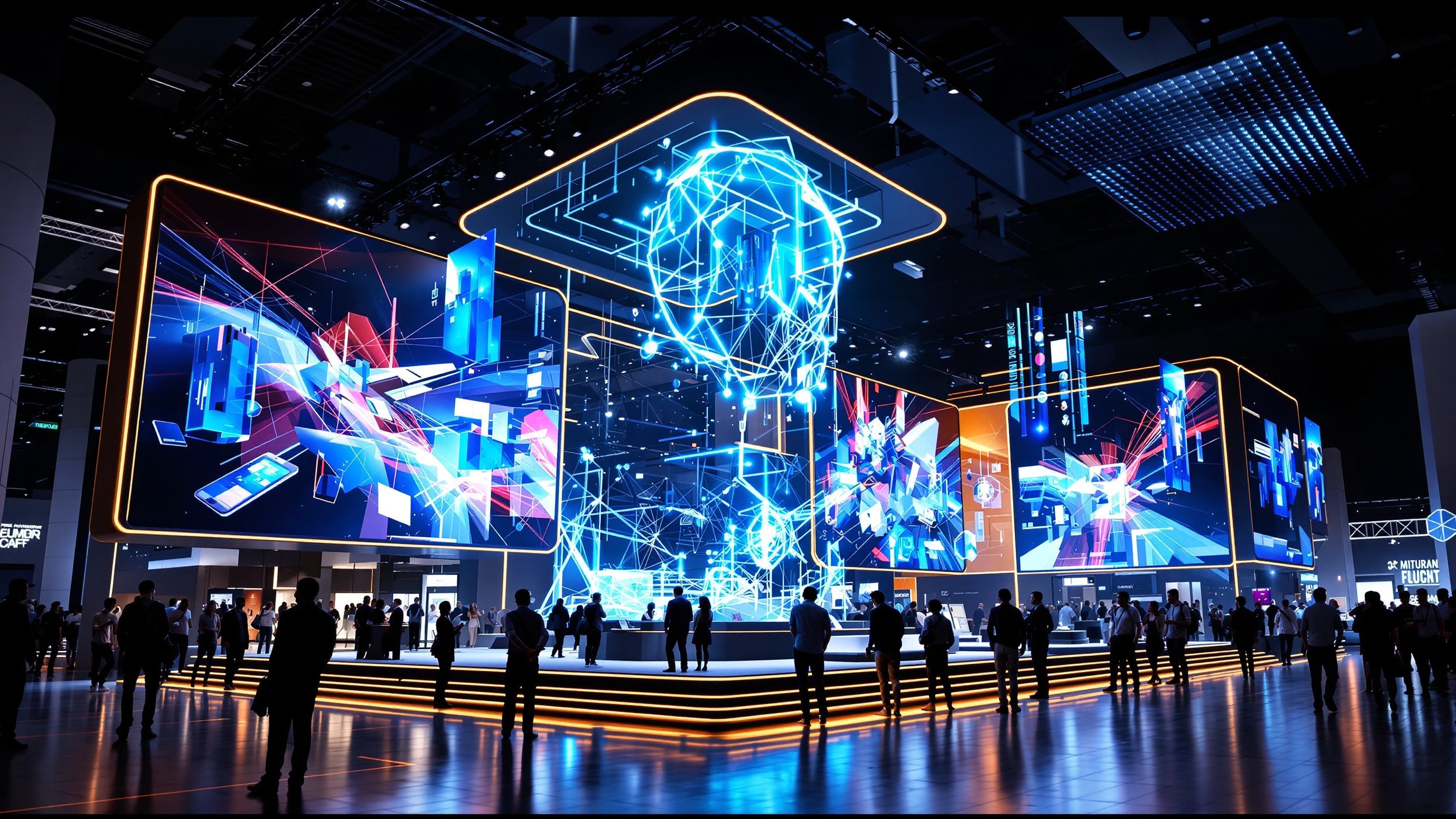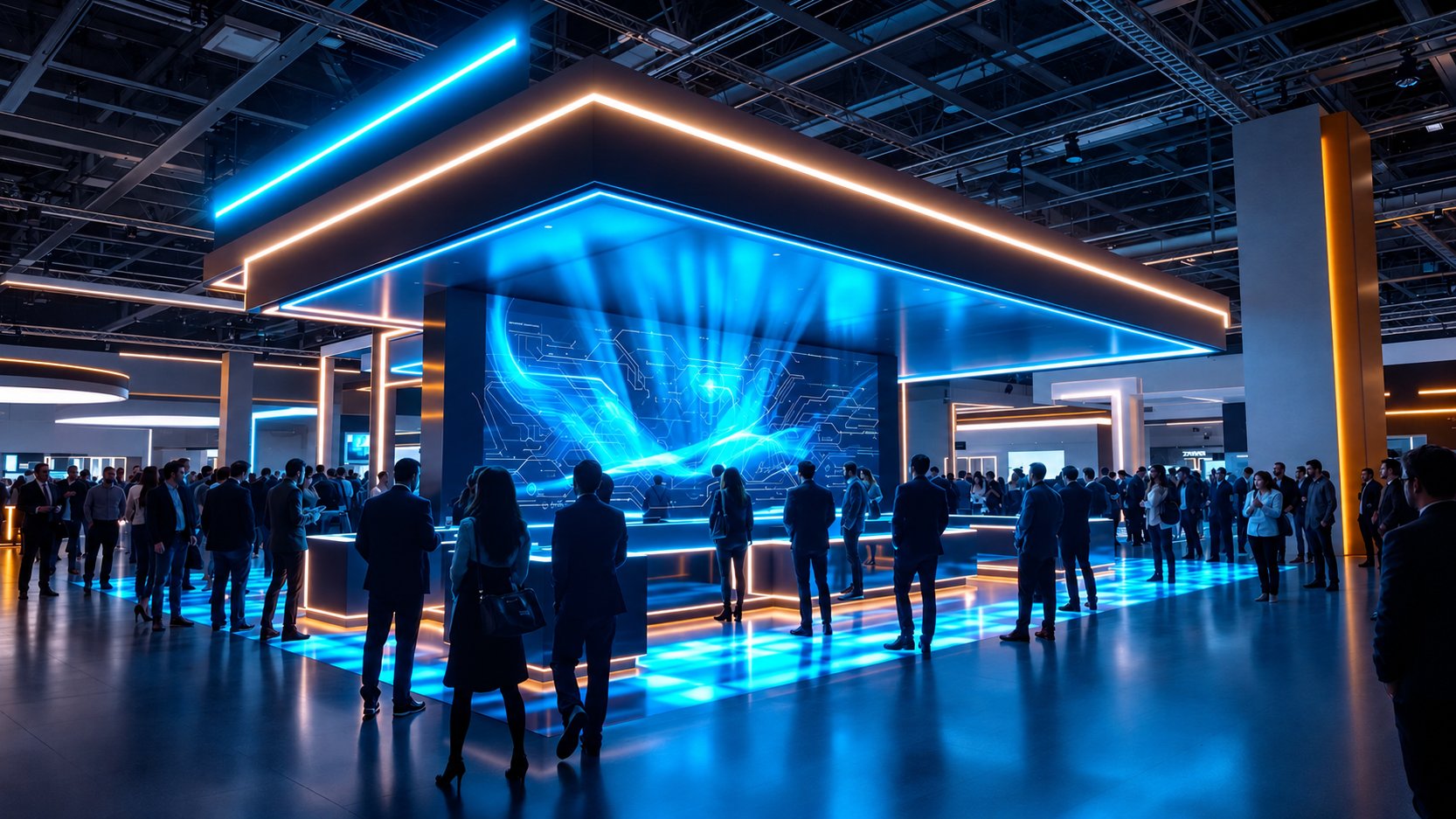
Trade shows have evolved far beyond rows of static banners, folding tables, and stacks of brochures. Modern attendees expect experiences. They want to touch, test, interact, compete, photograph, share, and remember. In an environment overflowing with competing brands, the booths that create emotional energy and immersive participation are the ones that attract the crowds, generate leads, and dominate social conversations long after the event ends. Interactive trade show booths are no longer optional for brands that want to stand out. Whether you are a startup launching a product, a tech company building awareness, or an established business trying to deepen customer relationships, engagement-focused booth design can dramatically increase traffic, lead quality, and conversion opportunities. The most successful exhibitors understand one important principle: people remember experiences more than advertisements. A well-designed interactive booth transforms passive visitors into active participants. Instead of simply walking past your display, attendees stop, explore, ask questions, take photos, and spend meaningful time connecting with your brand. This guide explores powerful interactive trade show booth ideas that drive massive engagement, elevate brand visibility, and create memorable event experiences that attendees genuinely enjoy.
A: Any feature that invites visitors to participate, such as games, demos, touchscreens, voting, AR, contests, or hands-on product trials.
A: Yes, when the activity is tied to a clear lead capture and follow-up strategy.
A: A quick game, live demo, QR-based quiz, or prize drawing is simple to launch and easy for attendees to join.
A: Connect every activity to your product, brand promise, or customer problem.
A: Enough to greet visitors, run demos, answer questions, and handle breaks without leaving the booth inactive.
A: Choose something useful, brand-relevant, easy to carry, and memorable after the event.
A: Aim for a short, focused demo that delivers value in a few minutes.
A: Use technology when it makes the experience smoother, clearer, or more memorable—not just because it looks impressive.
A: Track qualified leads, booked meetings, demo attendance, engagement time, scans, and post-show conversions.
A: Having a beautiful booth with no clear reason for attendees to stop, interact, and continue the conversation.
Why Interactive Trade Show Booths Matter More Than Ever
Trade show floors are crowded, noisy, and visually overwhelming. Hundreds of companies compete for the same audience within a limited timeframe. In this environment, attention becomes one of the most valuable currencies.
Traditional booths often rely on printed graphics and sales pitches. While those elements still matter, they rarely create emotional excitement. Interactive booths change the dynamic entirely. Instead of talking at attendees, they invite attendees into the experience.
Interactivity increases dwell time, which refers to the amount of time visitors spend inside your booth. The longer someone stays, the more opportunities your team has to build relationships, demonstrate products, and collect valuable leads. Studies consistently show that attendees who engage with hands-on experiences are far more likely to remember a brand after the event.
Interactive experiences also encourage social sharing. Visitors love taking photos and videos of visually unique displays, immersive environments, and entertaining activities. Every shared post becomes free marketing exposure that extends beyond the trade show floor itself.
Most importantly, interactive booths create emotional connection. When people participate in something memorable, they associate those positive feelings with your brand.
Immersive Product Demonstration Zones
One of the most effective engagement strategies is transforming your product demonstration into an immersive experience rather than a standard presentation. Instead of placing products on shelves with informational signage, create themed environments that allow attendees to experience the product in action. If you sell smart home technology, design a futuristic living room where visitors can interact with voice controls, lighting systems, and connected devices. If you promote fitness equipment, build a mini workout studio where attendees can test products firsthand.
Immersive product zones help visitors understand practical benefits in a realistic setting. Rather than hearing about features, they physically experience them.
Lighting, sound design, textures, and visual storytelling all contribute to immersion. Dynamic LED displays, ambient music, projection mapping, and interactive touchscreens can transform a simple product showcase into an unforgettable attraction. The more natural and engaging the experience feels, the more likely attendees are to remain interested and emotionally invested.
Gamification That Keeps Crowds Gathering
Gamification is one of the most powerful tools for trade show engagement because it taps directly into human psychology. People naturally enjoy challenges, rewards, competition, and achievement.
Interactive games instantly create excitement around your booth while encouraging participation from attendees who may otherwise walk by.
Spin-to-win prize wheels remain popular because they are simple, visually dynamic, and highly approachable. However, modern exhibitors are taking gamification much further with digital trivia games, augmented reality treasure hunts, leaderboard competitions, reaction-time challenges, and touchscreen contests.
Brands can incorporate product knowledge into the game itself, helping educate visitors while entertaining them. A cybersecurity company might create a “hack attack” simulation game, while a beverage company could host a rapid flavor identification challenge.
The key is creating games that are quick, intuitive, and rewarding. Attendees should be able to understand the activity immediately and participate without complicated instructions.
Leaderboards displayed on large screens can dramatically increase engagement by encouraging competition throughout the day. Even attendees who are not actively participating often stop to watch others play, which naturally draws additional foot traffic.
Social Media Activation Walls
Trade show engagement does not end at the booth. Smart exhibitors create experiences designed specifically for online sharing.
A social media activation wall encourages attendees to photograph, record, and post content featuring your brand. These installations can range from dramatic LED tunnels and oversized props to immersive branded environments with creative lighting and visual effects.
The best social media moments feel exciting, aspirational, and visually unique. Visitors should instantly think, “I need to post this.”
Interactive digital walls can display real-time social media posts using your event hashtag, encouraging attendees to contribute content during the show. Some brands gamify participation by rewarding visitors who share photos or tag the company online.
Photo opportunities work especially well when they align with brand identity. A travel company might build a tropical destination experience, while a technology company could create a futuristic cyber-inspired installation.
When attendees share branded content with their own followers, your trade show presence expands exponentially beyond the convention center itself.
Augmented Reality and Virtual Reality Experiences
Augmented reality and virtual reality continue to revolutionize trade show marketing because they create deeply immersive experiences that traditional displays simply cannot match.
Virtual reality booths transport attendees into entirely different environments. Real estate companies can provide virtual property tours. Automotive brands can simulate driving experiences. Industrial manufacturers can showcase large-scale machinery that would otherwise be impossible to transport to the event.
Augmented reality creates equally impressive engagement by blending digital content with the physical booth environment. Visitors can point tablets or smartphones at products to reveal animations, specifications, interactive demonstrations, or virtual overlays.
These technologies generate excitement because they feel futuristic and experiential. Crowds naturally gather around VR stations because attendees are curious to see what participants are reacting to.
The key to successful VR and AR experiences is ensuring they connect meaningfully to your brand rather than existing solely as novelty attractions. Technology should support storytelling, product education, or problem-solving rather than distract from your message.
Live Demonstrations and Interactive Presentations
People are naturally drawn to movement, energy, and live activity. Static booths often struggle to compete with the excitement generated by live demonstrations.
Hosting scheduled presentations throughout the day creates recurring energy spikes that attract attention from surrounding aisles. Demonstrations work especially well when they involve audience participation.
Cooking brands can host live culinary sessions. Beauty companies can offer real-time makeovers. Tech brands can conduct live product testing. Manufacturing companies can demonstrate machinery performance in dramatic ways.
Interactive presenters who engage directly with audiences tend to perform best. Humor, storytelling, audience questions, and live challenges help maintain interest and increase crowd retention.
Large digital displays, microphones, and dynamic staging help amplify the experience across the exhibition hall. Even attendees standing farther away may become intrigued enough to approach the booth.
Live experiences create urgency because attendees know the moment is temporary. This psychological factor often increases participation and crowd size.
Personalized Experiences That Make Visitors Feel Important
Personalization is becoming one of the strongest drivers of trade show engagement because attendees increasingly expect tailored experiences.
Interactive quizzes, assessments, and recommendation tools allow visitors to receive personalized results based on their preferences or business needs. These experiences feel more valuable because they provide individualized insights rather than generic marketing messages.
A skincare company might analyze skin conditions and recommend products. A software provider could assess workflow challenges and suggest customized solutions. A fitness brand might create personalized wellness profiles.
Personalization also improves lead generation quality. By collecting information through interactive experiences, companies gain valuable insights into attendee interests, pain points, and purchasing intent.
Visitors are far more willing to share information when they receive something meaningful in return. The emotional effect of personalization is equally powerful. When attendees feel understood and individually valued, they develop stronger trust and connection with the brand.
Interactive Touchscreen Experiences
Touchscreens remain one of the most versatile engagement tools in modern trade show design. They allow attendees to explore information at their own pace while creating a more active experience than printed materials.
Interactive kiosks can showcase product catalogs, videos, case studies, customer testimonials, pricing calculators, and educational content. Visitors enjoy the freedom of choosing what interests them most rather than sitting through a generic presentation.
Advanced touchscreen systems can also collect lead information, schedule demos, or guide attendees through interactive product journeys.
Multi-touch displays are particularly effective because they allow groups of people to interact simultaneously, encouraging collaborative exploration and conversation.
The best touchscreen experiences feel intuitive and visually dynamic. Clean navigation, responsive controls, and strong visual storytelling are essential for maintaining engagement.
When integrated thoughtfully, touchscreens become powerful self-guided sales tools that reduce friction while increasing information retention.
Experiential Giveaways and Custom Merchandise Stations
Traditional giveaways often end up forgotten in hotel rooms or discarded after the event. Interactive merchandise experiences create far more lasting impact.
Custom merchandise stations allow attendees to personalize products in real time. This might include custom T-shirts, engraved items, printed tote bags, personalized notebooks, or branded accessories created on-site.
Watching the customization process adds entertainment value while making the giveaway feel unique and memorable.
Experiential giveaways work especially well when tied to participation. Visitors may complete a challenge, game, or interactive activity to unlock premium merchandise rewards.
This strategy increases booth engagement while ensuring giveaways are distributed to genuinely interested attendees rather than casual passersby collecting free items.
The emotional effect of customization is significant. Personalized products carry greater perceived value and are far more likely to be kept and used after the event.
Interactive Data Visualization and Live Displays
Complex information becomes dramatically more engaging when presented visually and interactively.
Companies in industries like finance, healthcare, logistics, analytics, and technology often struggle to communicate complicated data effectively on crowded trade show floors. Interactive visualization solves this problem by transforming abstract information into dynamic experiences.
Large LED displays can showcase live metrics, animated infographics, customer success stories, or interactive maps. Visitors can explore datasets, manipulate visual elements, and uncover insights through touch interaction.
Real-time data feeds add even more excitement. A sustainability company might display live environmental impact metrics, while a cybersecurity firm could visualize global cyber threats in real time. Dynamic visuals naturally attract attention because movement and animation stand out amid static displays. When attendees can actively explore information rather than passively read it, learning becomes more engaging and memorable.
Networking Lounges That Encourage Meaningful Conversations
Not every interactive booth experience needs to involve technology or games. Sometimes the most powerful engagement comes from creating welcoming spaces where people genuinely want to spend time.
Comfortable networking lounges transform booths into social hubs within the event. Attendees appreciate spaces where they can relax, recharge devices, enjoy refreshments, or hold informal conversations.
The most effective lounges balance comfort with branding. Premium furniture, elegant lighting, charging stations, beverage bars, and relaxed seating arrangements encourage longer visits.
Some brands host mini networking sessions, fireside chats, or expert discussions within these lounge environments. These experiences position the company as a valuable industry resource rather than simply another exhibitor.
When people feel comfortable, conversations become more authentic and productive. This leads to stronger relationship-building opportunities and higher-quality leads.
Multi-Sensory Booth Experiences
Many exhibitors focus almost entirely on visual design, but truly memorable booths engage multiple senses simultaneously.
Soundscapes, scent marketing, textures, lighting effects, and interactive physical elements create richer emotional experiences that visitors remember more clearly.
Luxury brands often use subtle fragrance diffusion to reinforce brand identity. Food companies leverage live cooking aromas. Technology brands use immersive audio environments to create futuristic atmospheres.
Tactile interaction also plays a major role in engagement. People enjoy touching materials, testing products, and physically interacting with displays.
The more senses involved in the experience, the stronger the emotional and psychological impact becomes.
Multi-sensory environments help brands stand apart in crowded exhibition halls where visual overload is already common.
Sustainability-Focused Interactive Booth Concepts
Sustainability has become increasingly important in event marketing, and interactive eco-conscious booth designs can generate significant engagement while reinforcing positive brand values. Brands are creating booths using recycled materials, modular construction systems, digital literature instead of printed brochures, and energy-efficient lighting solutions.
Interactive sustainability experiences can educate attendees while creating memorable engagement opportunities. Visitors might participate in environmental challenges, track carbon reduction metrics, or contribute to live sustainability initiatives displayed on digital walls.
Some companies even incorporate living plant installations, vertical gardens, or eco-themed immersive environments that create visually stunning experiences while promoting environmental responsibility.
Sustainability-focused booths often resonate strongly with modern audiences because they demonstrate authentic corporate values beyond simple marketing messages.
Measuring Engagement and Booth Performance
Creating an interactive booth is only part of the strategy. Measuring performance is essential for understanding return on investment and improving future event experiences.
Successful exhibitors track metrics such as booth traffic, dwell time, lead quality, social media mentions, app interactions, game participation, and conversion rates.
Advanced technologies like heat mapping, RFID tracking, and engagement analytics provide deeper insights into attendee behavior within the booth space.
Post-event follow-up is equally important. Interactive experiences should seamlessly connect to lead nurturing campaigns, personalized outreach, and ongoing customer engagement.
The most effective trade show strategies integrate experiential marketing with measurable business objectives.
The Future of Interactive Trade Show Booths
Trade show engagement continues to evolve rapidly as technology advances and attendee expectations rise.
Artificial intelligence, mixed reality, holographic displays, biometric interaction, and hyper-personalized experiences are beginning to reshape the future of event marketing. However, despite technological innovation, one principle remains constant: successful booths create emotional connection.
People attend trade shows to discover ideas, build relationships, and experience something memorable. The brands that understand this emotional dimension consistently outperform competitors relying solely on traditional promotional tactics.
Interactive booths succeed because they transform marketing into participation. They invite attendees into the story rather than asking them to observe from the sidelines.
Conclusion
Interactive trade show booth ideas are no longer simply creative enhancements. They are strategic tools for attracting attention, increasing engagement, generating qualified leads, and building lasting brand recognition. From immersive product demonstrations and gamified experiences to virtual reality activations and personalized interactions, the most successful booths focus on creating memorable moments that attendees genuinely enjoy.
The future of trade show marketing belongs to brands that prioritize experience over exposure. Visitors want to participate, explore, and connect in meaningful ways. Companies that embrace interactivity create stronger emotional impact, deeper audience engagement, and far greater visibility both on and off the trade show floor. In an increasingly competitive event landscape, the booths that generate excitement, conversation, and unforgettable experiences are the ones attendees remember long after the convention center lights go dark.