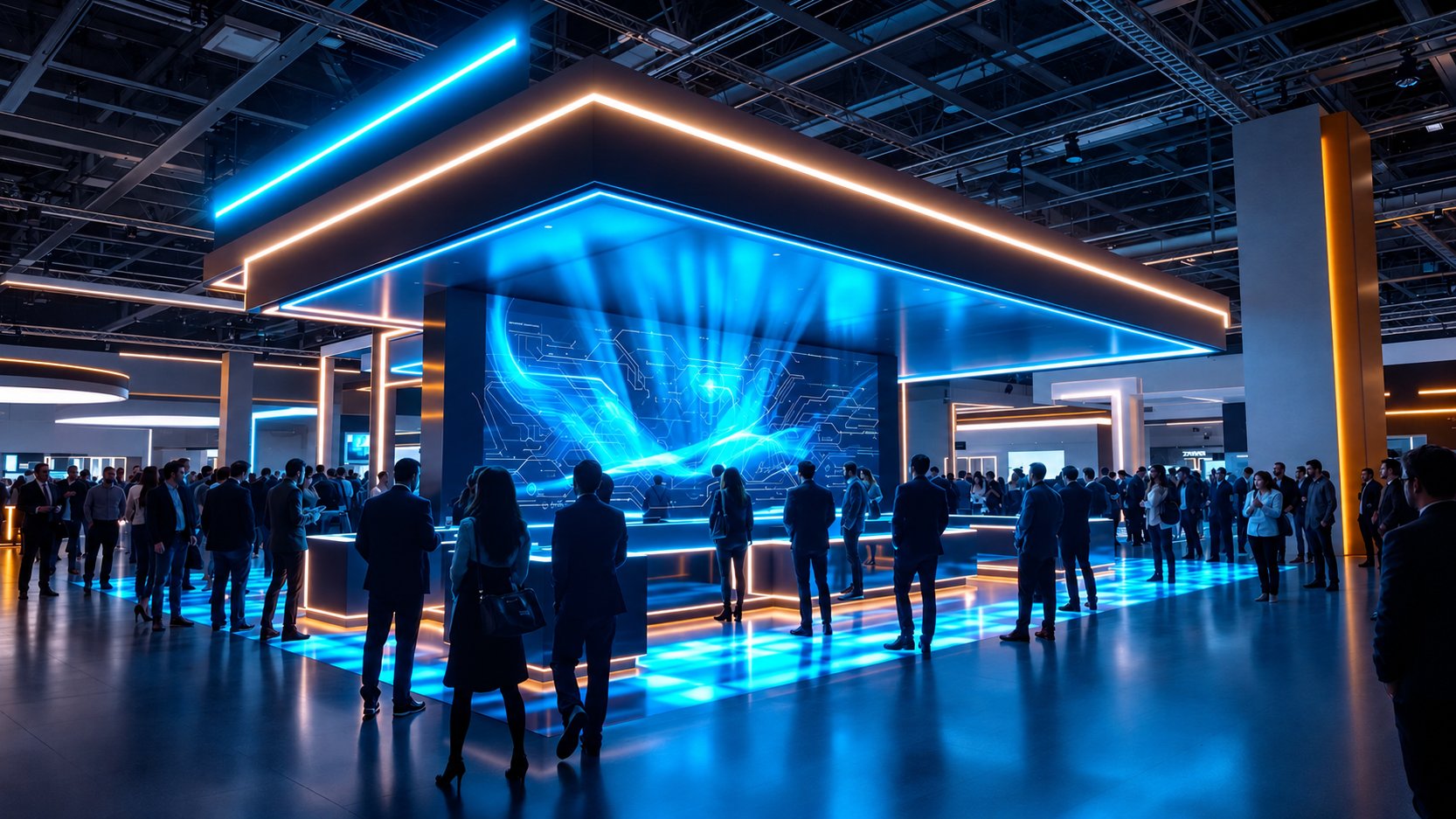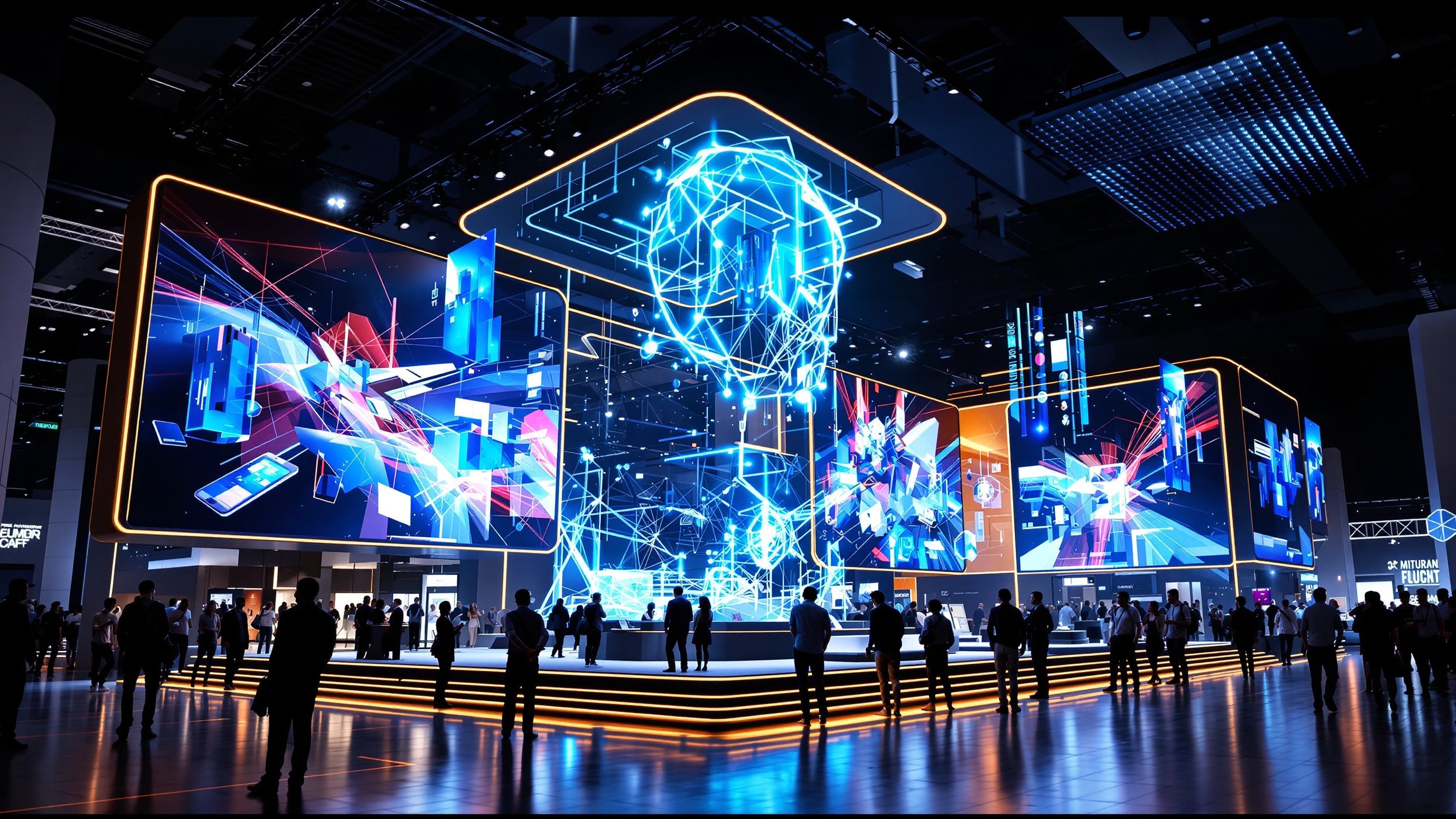
Trade shows, expos, conventions, and experiential marketing events have evolved far beyond simple banners and folding tables. Today’s attendees expect immersive experiences, personalized engagement, and visually unforgettable environments that compete with the endless stimulation of digital media. In crowded exhibition halls filled with competing brands, the booths that consistently attract large audiences are not necessarily the biggest or most expensive. They are the ones that create interaction, spark curiosity, and make visitors feel like active participants instead of passive observers. Interactive booth installations have become one of the most powerful tools in modern event marketing because they transform foot traffic into meaningful engagement. A well-designed installation encourages attendees to stop, explore, participate, share content online, and remember the brand long after the event ends. Whether the goal is lead generation, product awareness, social media visibility, or direct sales, interactive design changes the entire energy of a booth space. Creating these experiences requires more than adding a touchscreen or flashy lighting. Successful interactive booth installations are carefully engineered environments that combine storytelling, psychology, architecture, technology, entertainment, and user experience design into one cohesive strategy. The booths that attract crowds do so because every detail works together to create momentum, excitement, and emotional connection.
A: A clear visual hook, simple participation, visible activity, and a fast reward or reveal.
A: No. Technology helps only when it supports the message and improves the visitor experience.
A: Usually 30 seconds to 3 minutes, depending on traffic and the depth of the demo.
A: Quizzes, product match tools, demos, and gamified challenges tied to lead capture work well.
A: Create clear entry points, waiting zones, demo stations, and exits inside the booth footprint.
A: Yes, when they connect to the experience and reward meaningful engagement instead of random grabbing.
A: Use compact tools like touchscreens, spin-to-win games, product demos, AR markers, or guided challenges.
A: Use short invitations like “Want to try a 30-second challenge?” or “Can we show you something quick?”
A: Track visitors, engagement time, qualified leads, demo completions, meetings booked, and post-show conversions.
A: Creating something flashy that attracts attention but does not explain the brand or move visitors toward action.
Why Interactive Booths Outperform Traditional Displays
Traditional booths often rely on passive communication. A company places products on shelves, installs signage, hands out brochures, and hopes attendees will stop long enough to listen to a sales pitch. In modern event environments, that approach struggles to compete. People move quickly through trade show floors, constantly filtering information and deciding where to spend their limited attention.
Interactive installations interrupt this pattern because they trigger curiosity. Movement, sound, participation, competition, personalization, and immersive visuals naturally pull people toward a space. Humans are instinctively drawn to experiences that invite action rather than observation.
Interactivity also creates stronger memory retention. Studies in experiential marketing repeatedly show that people remember experiences more effectively than static advertising. When attendees physically engage with a booth, they form emotional associations with the brand. That emotional response dramatically increases recall, conversation, and post-event engagement.
Crowd attraction also creates a social proof effect. When attendees see a large group gathered around an installation, they assume something valuable or entertaining is happening. This phenomenon becomes self-sustaining. A busy booth attracts more visitors simply because it already appears popular.
The most successful brands understand that booth design is not merely decoration. It is behavioral engineering designed to guide attention, increase dwell time, and create memorable experiences.
Start With a Clear Experience Goal
Before designing any installation, brands must define what they want attendees to experience emotionally and behaviorally. Too many booths fail because they prioritize visual spectacle without strategic purpose.
An interactive booth should answer several foundational questions. What action should visitors take? What emotion should they feel? What message should they remember afterward? What kind of social sharing should occur? How will success be measured?
A technology company launching innovative software might focus on creating a futuristic, immersive environment that communicates intelligence and efficiency. A lifestyle brand may prioritize emotional storytelling and social-media-friendly visuals. A gaming company might center its installation around competition and entertainment. A sustainability-focused brand may build an eco-conscious interactive environment that demonstrates transparency and authenticity.
The installation’s physical design, lighting, pacing, technology, and engagement flow should all support this central objective. When every design decision aligns with a unified experience goal, the booth feels intentional and cohesive rather than chaotic.
Designing for Instant Visual Impact
Trade show attendees make decisions within seconds. Booths that fail to create immediate visual intrigue are often ignored. Strong interactive installations understand the importance of first impressions and use design to create an instant stop-and-look reaction.
Height is one of the most powerful visual tools in exhibition environments. Elevated structures, suspended displays, oversized architectural elements, and layered lighting help booths stand out from a distance. Large LED walls, kinetic sculptures, and animated digital surfaces also increase visibility across crowded halls.
Motion plays a critical role in attraction. The human eye naturally tracks movement, making dynamic installations more noticeable than static environments. This movement can come from animated lighting, projection mapping, robotic displays, live demonstrations, or audience participation itself.
Color psychology also matters. High-contrast palettes and strategic lighting help booths separate themselves visually from surrounding spaces. However, successful installations balance excitement with sophistication. Overwhelming visual noise can confuse visitors and reduce engagement.
Modern booth design increasingly blends architectural minimalism with immersive technology. Clean layouts allow interactive elements to become focal points rather than competing with excessive visual clutter.
Creating Hands-On Participation
The heart of any successful interactive booth installation is participation. Attendees should feel compelled to touch, explore, customize, compete, or contribute in some way.
Hands-on interaction creates ownership over the experience. Instead of simply being marketed to, visitors become part of the narrative. This shift dramatically improves engagement levels.
Product customization stations are particularly effective because they combine entertainment with personalization. Visitors may design a digital version of a product, create custom packaging, build personalized recommendations, or interact with AI-driven interfaces tailored to their preferences.
Gamification is another powerful strategy. Competitive experiences attract attention because they generate energy and emotional investment. Leaderboards, timed challenges, quizzes, prize competitions, and skill-based games naturally create crowds because spectators become part of the entertainment.
Physical interaction remains highly effective even in technology-driven installations. Touch-sensitive walls, reactive flooring, mechanical demonstrations, sensory displays, and immersive environments create memorable tactile experiences that purely digital interactions often cannot replicate.
The key is designing interactions that feel intuitive. If attendees need lengthy instructions, engagement drops quickly. Great booth experiences communicate participation naturally through visual cues and environmental design.
Using Technology to Create Immersion
Technology has transformed experiential marketing, allowing brands to create installations that were impossible only a decade ago. However, successful interactive booths use technology strategically rather than simply showcasing gadgets for novelty.
Immersion occurs when visitors temporarily forget they are standing inside a convention center. Technologies such as augmented reality, virtual reality, projection mapping, spatial audio, motion tracking, and interactive LED systems help create this effect.
Projection mapping can transform ordinary booth structures into dynamic storytelling environments. Walls appear to shift, products come alive, and architectural surfaces become animated experiences. This creates a cinematic atmosphere that attracts attention from long distances.
Augmented reality installations allow attendees to interact with digital layers placed over physical environments. Visitors can visualize products in new ways, access hidden information, or participate in immersive brand narratives through smartphones or AR devices.
Artificial intelligence is also becoming increasingly influential in booth design. AI-powered kiosks can personalize experiences, recommend products, answer questions, and create conversational interactions that feel highly customized.
Interactive LED floors and walls add another dimension of engagement. When environments react to movement, touch, or sound, attendees feel like active participants within a living space.
The most effective technology installations remain user-focused. Technology should simplify engagement and enhance storytelling rather than distract from the brand message.
The Psychology of Crowd Attraction
Understanding crowd psychology is essential when designing interactive installations. People are heavily influenced by environmental cues and social behavior.
Open booth layouts generally attract more traffic than closed-off spaces. Attendees feel more comfortable approaching installations that appear welcoming and accessible. Strategic openness allows passersby to see interactions already happening inside the booth, which encourages participation.
Sound design also influences crowd behavior. Music, voiceovers, ambient soundscapes, and reactive audio create atmosphere and energy. However, successful booths use sound selectively. Overly aggressive audio can drive attendees away instead of attracting them.
Live activity creates momentum. Scheduled demonstrations, live performances, interviews, contests, or creator appearances generate anticipation and recurring waves of traffic throughout the event.
Crowd density itself becomes a marketing tool. People assume busy spaces offer greater value or excitement. Designers often create installations that naturally encourage gathering and observation. Semi-circular layouts, stadium-style seating, and visible participation zones all support spectator engagement.
Interactive booths should also minimize friction. Long wait times, confusing instructions, or overcrowded layouts reduce participation rates. Efficient crowd flow is critical for maintaining positive energy.
Designing Social Media-Worthy Experiences
One of the most important goals of modern booth design is encouraging social sharing. The most successful interactive installations extend beyond the physical event by generating online visibility across social platforms.
Attendees constantly search for visually interesting content to share. Interactive booths that create highly photogenic moments gain organic exposure far beyond the exhibition floor.
This does not mean simply installing a photo wall. Truly shareable experiences are immersive, emotional, surprising, or visually spectacular. Giant installations, dramatic lighting environments, interactive art pieces, futuristic displays, and unexpected sensory experiences all encourage content creation.
User-generated content becomes especially powerful when attendees feel personally connected to the experience. Personalized digital outputs, branded video clips, interactive avatars, AI-generated artwork, or custom visual effects create memorable takeaways people want to post online.
Lighting is essential for social content creation. Poor lighting ruins even the most creative installations. Professional-quality illumination ensures photos and videos look polished across platforms like Instagram, TikTok, LinkedIn, and YouTube.
Brands should also consider camera angles during the design process. Great installations intentionally create visually striking viewpoints that naturally encourage photography.
Storytelling Through Spatial Design
Exceptional interactive booths do more than entertain. They tell stories.
Spatial storytelling transforms installations into journeys rather than isolated attractions. Visitors move through environments that gradually reveal information, emotions, and experiences connected to the brand.
This storytelling approach creates deeper engagement because attendees feel immersed within a narrative rather than subjected to disconnected marketing messages.
A booth can guide visitors through multiple stages of interaction. The entrance may create intrigue and discovery. The center area may focus on hands-on participation. The final stage may encourage conversation, lead capture, or personalized follow-up.
Lighting transitions, material choices, digital content, soundscapes, and physical architecture all contribute to narrative flow. Booths that feel cinematic or experiential often create stronger emotional reactions than traditional displays.
Story-driven design is particularly effective for brands introducing new technologies, launching products, or repositioning their identity within the market.
Balancing Entertainment With Business Goals
One of the biggest mistakes in experiential booth design is prioritizing entertainment without strategic alignment. A booth can attract crowds yet fail to generate meaningful business outcomes.
Successful installations connect engagement directly to measurable objectives. Every interaction should support brand messaging, lead generation, education, product demonstration, or relationship building.
For example, an immersive gaming experience should still communicate why the product matters. A viral photo installation should still reinforce brand identity. Interactive technology should provide useful insights or memorable value connected to the company’s offerings.
Lead capture should also feel integrated into the experience rather than interruptive. Modern attendees dislike aggressive sales tactics. Smart installations gather information naturally through registrations, personalized outputs, digital participation, or interactive rewards.
Sales teams and booth staff play a critical role in this process. Even the most advanced installation can fail if staff members are disengaged, poorly trained, or overly aggressive. Staff should act as facilitators who enhance the experience rather than dominate it.
Sustainability in Interactive Booth Design
Sustainability has become increasingly important in modern exhibition environments. Brands are under growing pressure to reduce waste while maintaining visually impressive experiences.
Interactive booth installations can support sustainability goals through modular construction, reusable materials, energy-efficient lighting, digital content delivery, and recyclable structures.
Many modern brands are moving away from disposable printed materials in favor of QR-based digital interactions, immersive screens, and downloadable resources. This reduces waste while improving convenience for attendees.
Eco-conscious design can also become part of the installation narrative itself. Interactive displays demonstrating environmental impact, renewable technologies, or sustainable manufacturing processes often resonate strongly with modern audiences.
Natural textures, biophilic design elements, and organic materials also create visually calming environments that stand out amid technology-heavy exhibition halls.
Sustainable booth design is no longer viewed as a limitation. Instead, it has become an opportunity to communicate innovation, responsibility, and forward-thinking brand values.
Measuring Booth Engagement Success
Designing an interactive booth installation should always include a measurement strategy. Without data, it becomes difficult to understand what worked and how to improve future experiences.
Modern event technology allows brands to track a wide range of engagement metrics. Dwell time, participation rates, lead quality, social shares, app interactions, heat mapping, and conversion data all provide valuable insights.
Video analysis tools can help identify crowd behavior patterns and traffic flow efficiency. Digital installations can track user interactions in real time, revealing which experiences generate the highest engagement.
Post-event surveys also provide important qualitative feedback. Attendees often remember emotional reactions more clearly than specific products, making experiential impact a critical measurement category.
The most successful brands treat booth installations as evolving systems rather than one-time builds. Data collected from each event informs future improvements in design, staffing, interaction flow, and storytelling strategy.
The Future of Interactive Booth Experiences
The future of trade show and experiential marketing design will become increasingly immersive, intelligent, and personalized. Artificial intelligence, mixed reality, responsive environments, and adaptive content systems are already reshaping how brands engage audiences.
Future installations may dynamically adjust lighting, visuals, and messaging based on crowd behavior. AI-driven personalization could create unique experiences for every attendee. Biometric interactions, gesture control, and spatial computing may further blur the line between digital and physical environments.
Hybrid events will also continue influencing booth design. Physical installations are increasingly created with digital amplification in mind, ensuring experiences translate effectively across livestreams, social media, and virtual participation platforms.
Despite technological advancements, one principle will remain constant: people are drawn to experiences that make them feel something. Excitement, curiosity, surprise, inspiration, competition, and emotional connection will always drive engagement more effectively than static marketing.
Conclusion
Interactive booth installations have become essential tools for brands seeking attention in crowded event environments. The booths that consistently attract crowds are not simply visually impressive. They are strategically designed experiences that combine storytelling, participation, technology, psychology, and emotional engagement into one cohesive environment.
Successful installations invite people to become active participants rather than passive observers. They create memorable moments, encourage social sharing, generate conversations, and transform brand interactions into experiences attendees genuinely enjoy.
Designing these environments requires thoughtful planning, creative innovation, and a deep understanding of human behavior. Every detail matters, from lighting and crowd flow to interactivity and narrative structure. The most effective booths balance entertainment with clear business objectives, ensuring that excitement translates into meaningful engagement and measurable results.
As experiential marketing continues evolving, interactive booth design will play an even larger role in shaping how brands connect with audiences. Companies that invest in immersive, emotionally engaging installations will stand out not only on crowded trade show floors, but also across digital platforms and long-term customer relationships.
In a world saturated with advertising and information, experiences remain one of the most powerful ways to capture attention. Interactive booth installations succeed because they do something traditional marketing often cannot: they make people stop, participate, and remember.