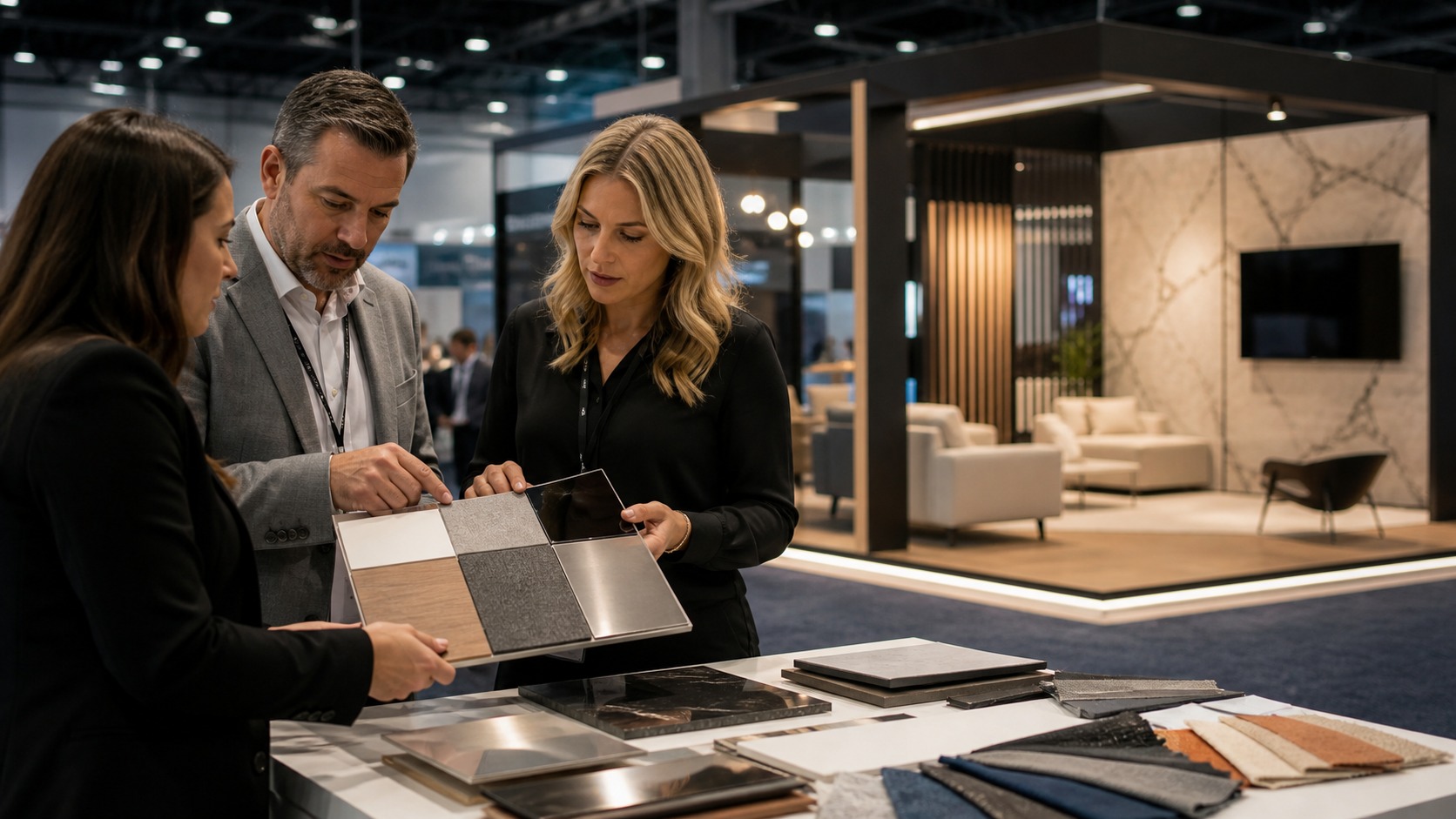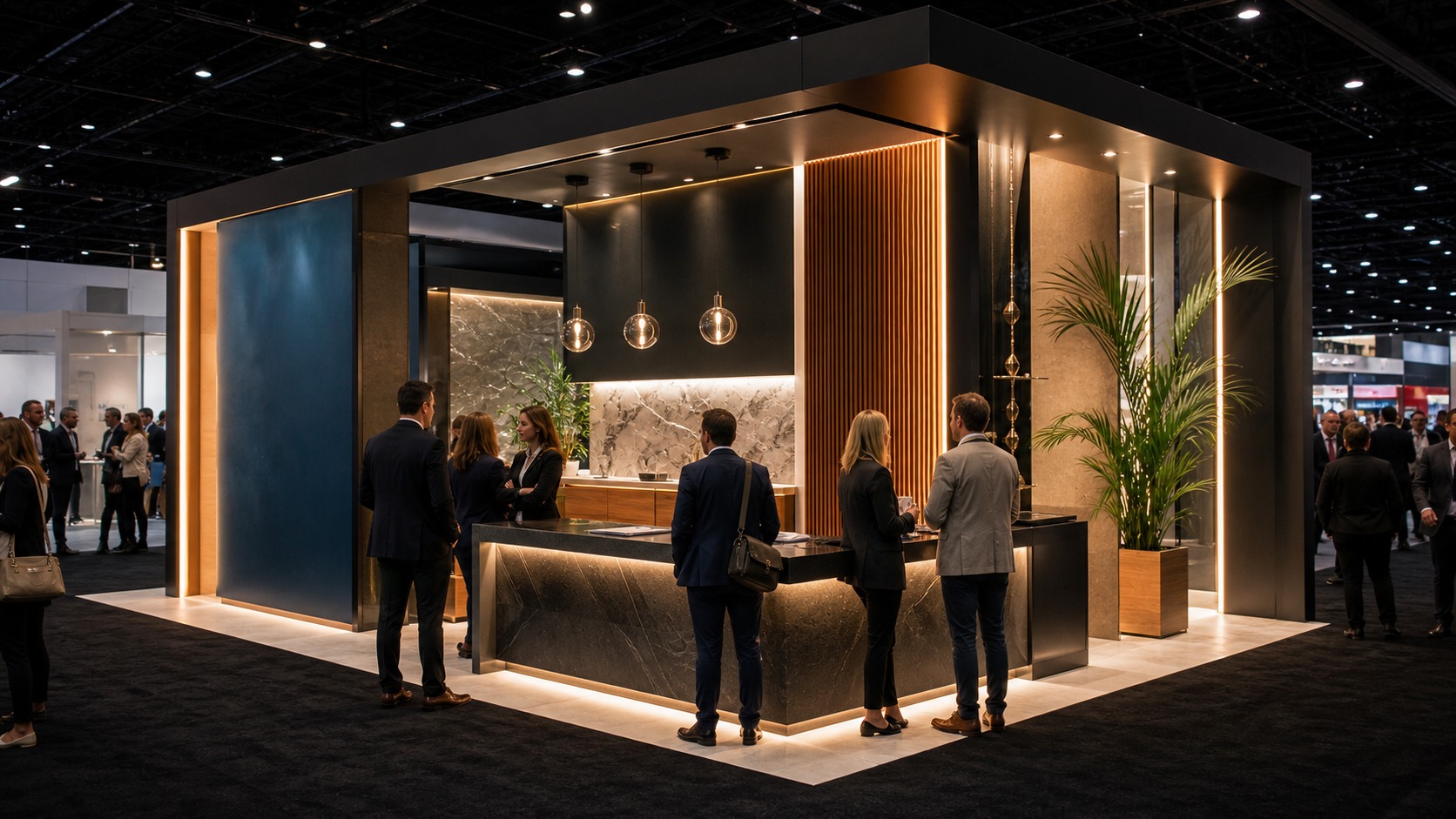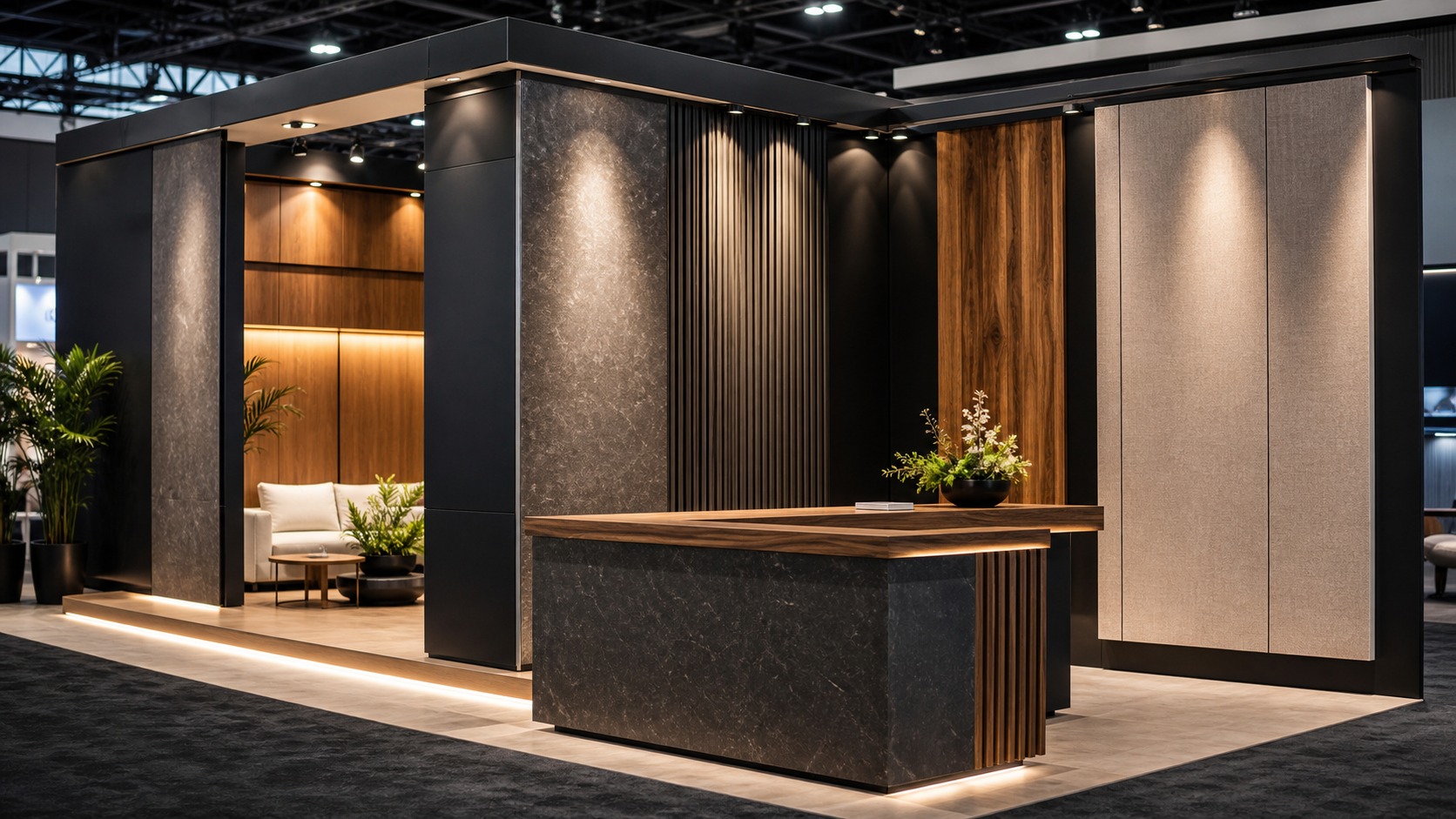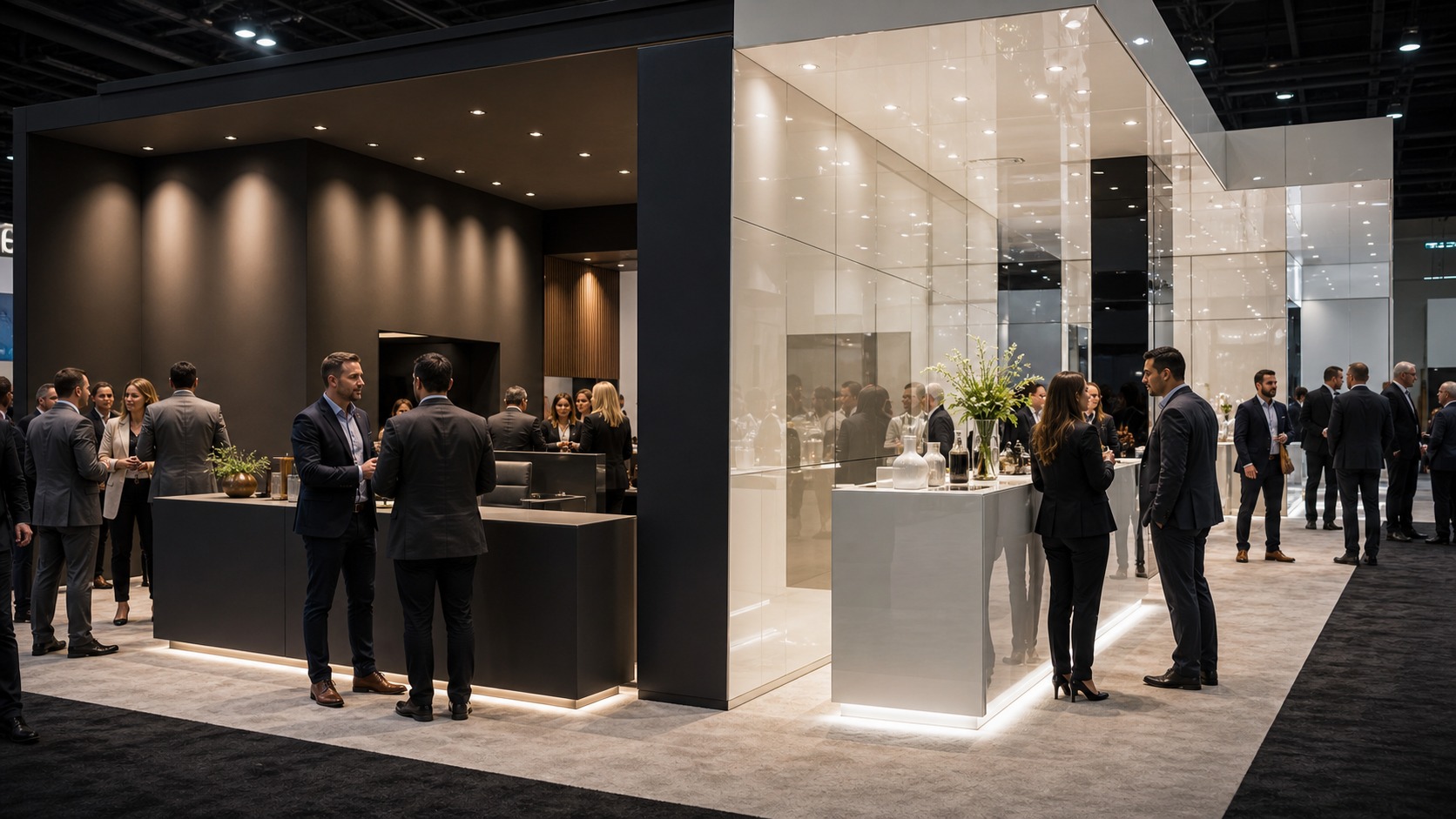
Matte vs Glossy Booth Finishes: Which Works Better for Exhibits? is really a question about how people decide where to stop in a noisy exhibit hall. Before anyone reads a brochure or hears a pitch, the booth has already made promises through material choice, reflection control, touch, durability, and brand mood. For exhibitors in Finishes & Textures, the goal is not simply to look impressive from across the aisle. The stronger goal is to make the right attendee feel that the next useful conversation is obvious, comfortable, and worth a few minutes of their show day.
A: Plan it before graphics are finalized so placement, messaging, and labor all support the risk profile.
A: It earns its place when it improves reflection control, touch quality, clean edges, and wear resistance instead of only filling space.
Article note: Matte vs Glossy Booth Finishes: Which Works Better for Exhibits? should use this answer as its article-specific checkpoint.
A: Yes, if it is scaled to one clear focal point and does not block entry, staff movement, or demo access.
Article note: Matte vs Glossy Booth Finishes: Which Works Better for Exhibits? should use this answer as its article-specific checkpoint.
A: Tie it to a product proof, visitor action, or brand promise people can understand quickly.
Article note: Matte vs Glossy Booth Finishes: Which Works Better for Exhibits? should use this answer as its article-specific checkpoint.
A: Staff should know what it signals, when to reference it, and how it leads into the next question.
Article note: Matte vs Glossy Booth Finishes: Which Works Better for Exhibits? should use this answer as its article-specific checkpoint.
A: It should pull people inward without creating a knot at the aisle edge or hiding the greeting point.
Article note: Matte vs Glossy Booth Finishes: Which Works Better for Exhibits? should use this answer as its article-specific checkpoint.
A: Core hardware can stay consistent while graphics, demos, lighting cues, or scripts adapt by audience.
Article note: Matte vs Glossy Booth Finishes: Which Works Better for Exhibits? should use this answer as its article-specific checkpoint.
A: Mock it up in a taped footprint and watch whether people know where to stand and what to do next.
Article note: Matte vs Glossy Booth Finishes: Which Works Better for Exhibits? should use this answer as its article-specific checkpoint.
A: Use labeled cases, photos, and a teardown checklist so the detail survives every move.
Article note: Matte vs Glossy Booth Finishes: Which Works Better for Exhibits? should use this answer as its article-specific checkpoint.
A: Look at qualified conversations, dwell time, demo starts, and post-show recall from visitors.
Article note: Matte vs Glossy Booth Finishes: Which Works Better for Exhibits? should use this answer as its article-specific checkpoint.
Translate Brand Mood Into Physical Cues
Translate Brand Mood Into Physical Cues clarifies the decision behind Matte vs Glossy Booth Finishes: Which Works Better for Exhibits? because a trade show booth is judged while people are moving. The visitor rarely begins with full attention, so matte laminate has to explain where to enter, what to notice, and why a stop is worth the interruption. When the design connects matte laminate with gloss accents, the booth feels intentional instead of assembled from separate parts. The brand perception angle keeps the conversation tied to behavior, budget, setup, and measurable outcomes.
Translate Brand Mood Into Physical Cues supports the decision behind Matte vs Glossy Booth Finishes: Which Works Better for Exhibits? because a trade show booth is judged while people are moving. The visitor rarely begins with full attention, so satin metal has to explain where to enter, what to notice, and why a stop is worth the interruption. When the design connects satin metal with woodgrain wraps, the booth feels intentional instead of assembled from separate parts. The brand perception angle keeps the conversation tied to behavior, budget, setup, and measurable outcomes.
Use Contrast Without Visual Noise
Use Contrast Without Visual Noise anchors the decision behind Matte vs Glossy Booth Finishes: Which Works Better for Exhibits? because a trade show booth is judged while people are moving. The visitor rarely begins with full attention, so gloss accents has to explain where to enter, what to notice, and why a stop is worth the interruption. When the design connects gloss accents with textured counters, the booth feels intentional instead of assembled from separate parts. The brand perception angle keeps the conversation tied to behavior, budget, setup, and measurable outcomes.
Use Contrast Without Visual Noise simplifies the decision behind Matte vs Glossy Booth Finishes: Which Works Better for Exhibits? because a trade show booth is judged while people are moving. The visitor rarely begins with full attention, so woodgrain wraps has to explain where to enter, what to notice, and why a stop is worth the interruption. When the design connects woodgrain wraps with premium reveals, the booth feels intentional instead of assembled from separate parts. The brand perception angle keeps the conversation tied to behavior, budget, setup, and measurable outcomes.
Use Contrast Without Visual Noise reveals the decision behind Matte vs Glossy Booth Finishes: Which Works Better for Exhibits? because a trade show booth is judged while people are moving. The visitor rarely begins with full attention, so fabric skins has to explain where to enter, what to notice, and why a stop is worth the interruption. When the design connects fabric skins with matte laminate, the booth feels intentional instead of assembled from separate parts. The brand perception angle keeps the conversation tied to behavior, budget, setup, and measurable outcomes.
Make Quality Legible at Aisle Distance
Make Quality Legible at Aisle Distance clarifies the decision behind Matte vs Glossy Booth Finishes: Which Works Better for Exhibits? because a trade show booth is judged while people are moving. The visitor rarely begins with full attention, so textured counters has to explain where to enter, what to notice, and why a stop is worth the interruption. When the design connects textured counters with satin metal, the booth feels intentional instead of assembled from separate parts. The brand perception angle keeps the conversation tied to behavior, budget, setup, and measurable outcomes.
Make Quality Legible at Aisle Distance supports the decision behind Matte vs Glossy Booth Finishes: Which Works Better for Exhibits? because a trade show booth is judged while people are moving. The visitor rarely begins with full attention, so premium reveals has to explain where to enter, what to notice, and why a stop is worth the interruption. When the design connects premium reveals with soft-touch panels, the booth feels intentional instead of assembled from separate parts. The brand perception angle keeps the conversation tied to behavior, budget, setup, and measurable outcomes.
Let Materials Support the Message
Let Materials Support the Message anchors the decision behind Matte vs Glossy Booth Finishes: Which Works Better for Exhibits? because a trade show booth is judged while people are moving. The visitor rarely begins with full attention, so satin metal has to explain where to enter, what to notice, and why a stop is worth the interruption. When the design connects satin metal with woodgrain wraps, the booth feels intentional instead of assembled from separate parts. The brand perception angle keeps the conversation tied to behavior, budget, setup, and measurable outcomes.
Let Materials Support the Message simplifies the decision behind Matte vs Glossy Booth Finishes: Which Works Better for Exhibits? because a trade show booth is judged while people are moving. The visitor rarely begins with full attention, so soft-touch panels has to explain where to enter, what to notice, and why a stop is worth the interruption. When the design connects soft-touch panels with fabric skins, the booth feels intentional instead of assembled from separate parts. The brand perception angle keeps the conversation tied to behavior, budget, setup, and measurable outcomes.
Build Trust Before the Pitch
Build Trust Before the Pitch clarifies the decision behind Matte vs Glossy Booth Finishes: Which Works Better for Exhibits? because a trade show booth is judged while people are moving. The visitor rarely begins with full attention, so woodgrain wraps has to explain where to enter, what to notice, and why a stop is worth the interruption. When the design connects woodgrain wraps with premium reveals, the booth feels intentional instead of assembled from separate parts. The brand perception angle keeps the conversation tied to behavior, budget, setup, and measurable outcomes.
Build Trust Before the Pitch supports the decision behind Matte vs Glossy Booth Finishes: Which Works Better for Exhibits? because a trade show booth is judged while people are moving. The visitor rarely begins with full attention, so fabric skins has to explain where to enter, what to notice, and why a stop is worth the interruption. When the design connects fabric skins with matte laminate, the booth feels intentional instead of assembled from separate parts. The brand perception angle keeps the conversation tied to behavior, budget, setup, and measurable outcomes.
Build Trust Before the Pitch sharpens the decision behind Matte vs Glossy Booth Finishes: Which Works Better for Exhibits? because a trade show booth is judged while people are moving. The visitor rarely begins with full attention, so textured counters has to explain where to enter, what to notice, and why a stop is worth the interruption. When the design connects textured counters with satin metal, the booth feels intentional instead of assembled from separate parts. The brand perception angle keeps the conversation tied to behavior, budget, setup, and measurable outcomes.
End With a Memory Anchor
End With a Memory Anchor anchors the decision behind Matte vs Glossy Booth Finishes: Which Works Better for Exhibits? because a trade show booth is judged while people are moving. The visitor rarely begins with full attention, so premium reveals has to explain where to enter, what to notice, and why a stop is worth the interruption. When the design connects premium reveals with soft-touch panels, the booth feels intentional instead of assembled from separate parts. The brand perception angle keeps the conversation tied to behavior, budget, setup, and measurable outcomes.
End With a Memory Anchor simplifies the decision behind Matte vs Glossy Booth Finishes: Which Works Better for Exhibits? because a trade show booth is judged while people are moving. The visitor rarely begins with full attention, so matte laminate has to explain where to enter, what to notice, and why a stop is worth the interruption. When the design connects matte laminate with gloss accents, the booth feels intentional instead of assembled from separate parts. The brand perception angle keeps the conversation tied to behavior, budget, setup, and measurable outcomes.
Common Mistakes That Weaken the Booth
The common mistake is treating surface design as a single purchase instead of a chain of visitor decisions. A bright booth can still be confusing. A premium surface can still feel cold. A modular frame can still waste space if the entry point is unclear. The safest test is to imagine a tired attendee walking past at the end of the afternoon. If that person cannot tell what the booth offers, where to stand, and who to approach, the design is asking too much. Strong exhibits remove that uncertainty with simple focal points, clean edges, visible activity, and staff behavior that matches the physical layout.
How to Turn the Idea Into a Show-Floor Plan
Turn the concept into a plan by writing down the booth’s job before choosing the visible features. One booth may need to qualify leads quickly, another may need to demonstrate a complex product, and another may need to reassure enterprise buyers that the brand can execute at scale. Once the job is clear, every choice can be judged by whether it supports that outcome. For Matte vs Glossy Booth Finishes: Which Works Better for Exhibits?, that means connecting design language, setup labor, shipping requirements, staff scripts, and follow-up assets into one coherent exhibit experience.
A Practical Planning Note supports the decision behind Matte vs Glossy Booth Finishes: Which Works Better for Exhibits? because a trade show booth is judged while people are moving. The visitor rarely begins with full attention, so premium reveals has to explain where to enter, what to notice, and why a stop is worth the interruption. When the design connects premium reveals with soft-touch panels, the booth feels intentional instead of assembled from separate parts. The brand perception angle keeps the conversation tied to behavior, budget, setup, and measurable outcomes.
A Practical Planning Note sharpens the decision behind Matte vs Glossy Booth Finishes: Which Works Better for Exhibits? because a trade show booth is judged while people are moving. The visitor rarely begins with full attention, so matte laminate has to explain where to enter, what to notice, and why a stop is worth the interruption. When the design connects matte laminate with gloss accents, the booth feels intentional instead of assembled from separate parts. The brand perception angle keeps the conversation tied to behavior, budget, setup, and measurable outcomes.
The Takeaway for Exhibitors
The strongest version of Matte vs Glossy Booth Finishes: Which Works Better for Exhibits? is not the loudest or the most expensive version. It is the version that helps the right visitor understand the value faster, move through the space naturally, and remember the brand after the aisle noise fades. When surface design is planned with discipline, the booth becomes easier to ship, easier to staff, easier to explain, and easier to improve after every event. That is the quiet advantage exhibitors can carry from one show to the next.