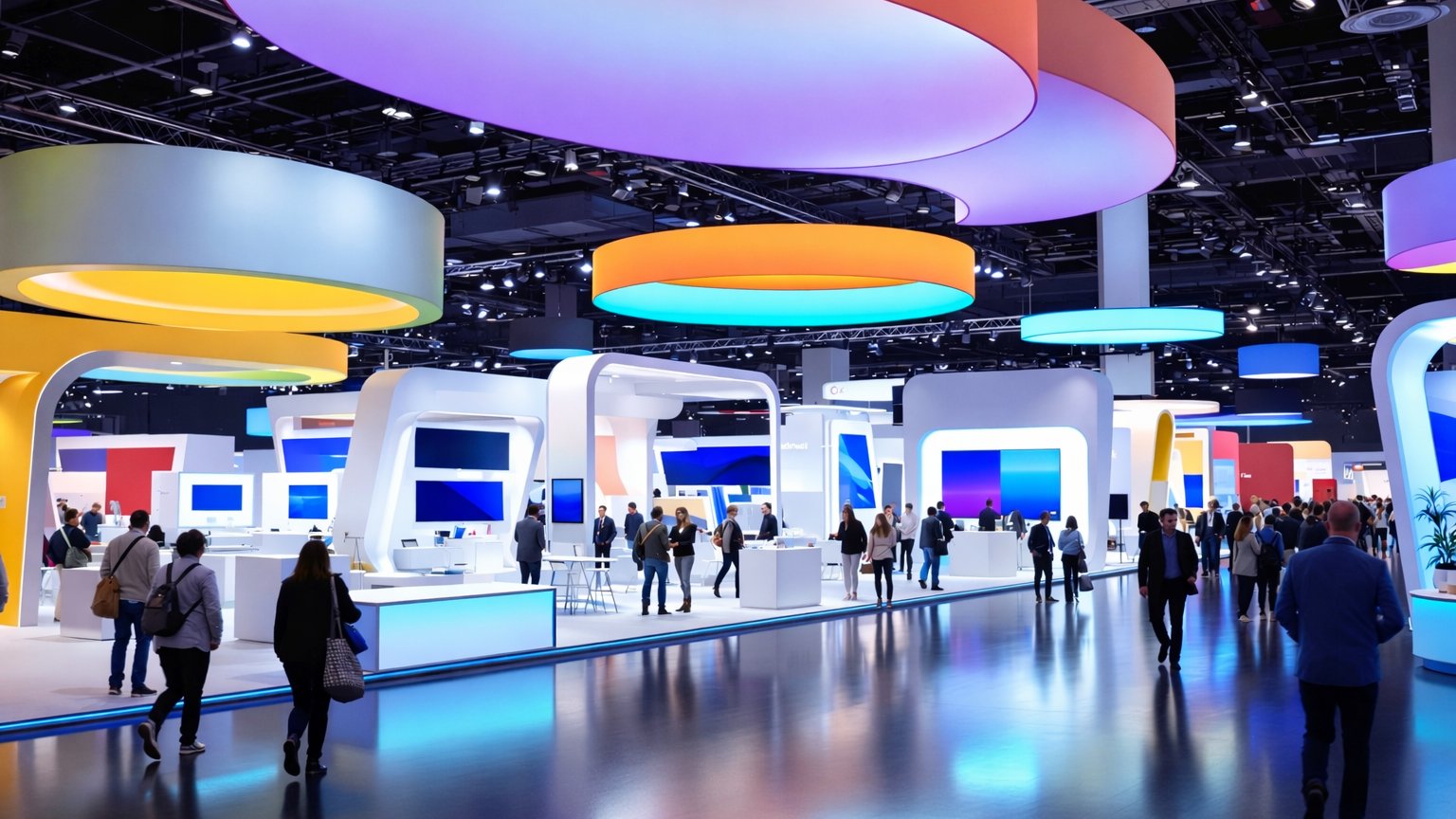
Color speaks before words ever have a chance. Long before a customer reads a tagline, compares prices, or studies product features, the brain has already reacted to the hues in front of it. The most successful brands in the world understand this invisible dialogue and use color as a strategic tool to shape emotion, memory, and loyalty. From the energetic red of global beverage giants to the calming blues of trusted financial institutions, color is not decoration—it is a form of psychology in motion. Modern consumers are surrounded by thousands of brand messages each day. In this crowded landscape, color becomes a shortcut for recognition and feeling. Studies in consumer behavior consistently show that people form an opinion about a product within seconds, and a significant portion of that judgment is based purely on color. Top brands know that loyalty does not begin with logic; it begins with emotion. Color is often the first emotional bridge.
A: Usually 1 hero color, 2–3 supporting colors, plus neutrals—more than that gets noisy fast.
A: Cool tones often read trustworthy, but consistency and contrast matter more than any single hue.
A: Own a distinctive shade, use bold accents sparingly, and create a clean “hero zone” for photos.
A: Convention hall lighting can shift color—always test under show-like LEDs and use physical swatches.
A: Yes—either match for a premium unified look, or contrast with one accent piece for approachability.
A: Add one consistent accent color for CTAs and one photo-ready branded backdrop.
A: Use high contrast in key areas and limit text; let your hero color do the attention work.
A: It can—good lighting makes neutrals feel premium and helps accents pop without oversaturation.
A: Deeper tones, restrained accents, and lots of negative space—plus consistent materials across surfaces.
A: Using too many accents at once—people remember a signature color, not a rainbow.
Why Humans Respond So Deeply to Color
The human relationship with color is ancient. Long before marketing departments existed, colors carried survival meanings. Blue signaled clean water and open skies. Green represented growth and safety. Red warned of danger or excitement. These associations remain embedded in the modern mind. Brands that succeed are those that align their identity with these subconscious responses.
When a technology company chooses cool shades of blue and silver, it is not an accident. These tones suggest intelligence, security, and reliability. When a fast-food chain wraps its logo in red and yellow, it is tapping into appetite stimulation and urgency. Emotional loyalty grows when the color experience of a brand consistently matches the emotional promise of that brand.
Building a Color Identity That Feels Like Home
Top brands treat color as a long-term relationship, not a short campaign. They understand that loyalty forms through repetition and familiarity. Over time, consumers begin to associate a specific shade with a specific experience. Think about how certain greens instantly recall global coffee brands or how a particular orange evokes a major home improvement retailer. These connections are so strong that even a glimpse of color without a logo can trigger recognition. Creating this kind of bond requires discipline. Successful brands limit their primary color palette and use it consistently across packaging, websites, social media, and physical spaces. This repetition builds trust. The consumer begins to feel that the brand is stable and dependable, much like a familiar friend whose personality never suddenly changes.
Emotional Storytelling Through Color
Every brand tells a story, and color is one of its main characters. Luxury brands often rely on black, gold, and deep jewel tones to communicate exclusivity and sophistication. Outdoor brands lean into earthy greens and rugged browns to reflect adventure and authenticity. Children’s brands burst with bright primary colors to express joy and imagination. None of these choices are random; they are emotional scripts written in pigment.
Top brands also understand that color can evolve with the story. As companies grow, they may soften harsh tones or introduce secondary colors to reflect new values. A brand that began as rebellious and loud might mature into something more refined. Color allows this transformation to happen without losing recognition.
The Science Behind Color Loyalty
Neuroscience has shown that color activates specific areas of the brain linked to memory and emotion. When a consumer repeatedly encounters a brand’s color in positive situations—opening a favorite app, receiving a satisfying product, enjoying good customer service—the brain connects that color with reward. Over time, simply seeing the color can trigger a subtle feeling of comfort or excitement. This is why top brands guard their colors with the same intensity as their logos. Unique shades are often trademarked. Internal brand guidelines describe exactly how colors must appear in print, on screens, and in physical environments. Consistency protects the emotional investment that customers have built.
Color as a Promise of Experience
Consumers do not buy products; they buy feelings and solutions. Color acts as a visual promise of what the experience will be like. A wellness brand that uses soft pastels is promising calm and balance. A sports brand using bold black and neon is promising energy and performance. When the real experience matches the color promise, loyalty deepens. When it does not, trust fades.
Top brands carefully test this alignment. They study how different audiences respond to shades, brightness, and contrast. They consider cultural meanings, since colors can communicate different emotions around the world. What feels celebratory in one country may feel mournful in another. Global brands adapt while keeping their core identity intact.
The Role of Contrast and Simplicity
Loyalty grows when a brand is easy to recognize. Many leading companies rely on simple color systems rather than complex rainbows. One or two dominant colors paired with clean contrast create instant clarity. Consumers can spot the brand from a distance or while scrolling quickly on a phone. Contrast also guides emotion. Dark backgrounds with bright accents feel modern and confident. Light backgrounds with gentle tones feel approachable and friendly. Top brands design every touchpoint—from app interfaces to store interiors—with this emotional choreography in mind.
Digital Age Challenges and Opportunities
In the digital world, color loyalty faces new tests. Screens display colors differently, and consumers interact with brands on dozens of platforms. Successful companies create flexible color systems that remain recognizable on a billboard, a smartwatch, or a social media icon. They understand that emotional loyalty must survive every pixel.
At the same time, digital tools allow brands to personalize color experiences. Websites may subtly shift tones based on user behavior. Packaging may use limited editions to refresh excitement while keeping core colors unchanged. Innovation becomes a way to strengthen loyalty rather than confuse it.
Learning from Iconic Brand Transformations
History is filled with examples of brands that strengthened loyalty through thoughtful color decisions. When major technology companies simplified their rainbow logos into flat, modern hues, they signaled maturity and clarity. When heritage food brands brightened their packaging, they attracted younger audiences without abandoning long-time fans. These changes worked because they respected the emotional meaning already attached to the colors. On the other hand, abrupt color changes without strategy often trigger backlash. Consumers feel that something familiar has been taken away. Top brands manage transitions gradually, educating audiences and connecting new shades to enduring values.
Creating Personal Bonds Through Everyday Encounters
Color loyalty is built in ordinary moments. A shopper reaches for the same cereal box because the familiar color stands out on the shelf. A traveler books the same airline because its colors feel trustworthy. A teenager opens a favorite app because the icon color signals belonging. These small decisions, repeated over years, create powerful commercial relationships.
Brands that understand this focus on long-term emotion rather than short-term trends. They resist the temptation to chase every fashionable palette. Instead, they ask how their colors can continue to feel relevant while staying true to their identity.
The Future of Color and Emotional Connection
As artificial intelligence and virtual reality expand, color will become even more influential. Digital environments will allow brands to surround consumers with immersive color experiences. Smart homes may glow in the shades of preferred companies. Wearable devices may adapt colors to match moods. The brands that lead this future will be those that already respect color as a form of human connection. Emotional loyalty is not manufactured through discounts alone. It grows when a brand feels consistent, meaningful, and aligned with personal identity. Color is one of the strongest tools for creating that feeling. Top brands do not simply choose colors—they build emotional worlds that customers want to live inside.
Painting Loyalty One Shade at a Time
Color is the quiet architect of brand love. It shapes first impressions, guides daily choices, and stores memories in the mind. The world’s most successful companies treat color with the seriousness of a language, using it to express values, personality, and promise. When used with intention and consistency, color becomes more than a visual element; it becomes the foundation of emotional loyalty that can last a lifetime.