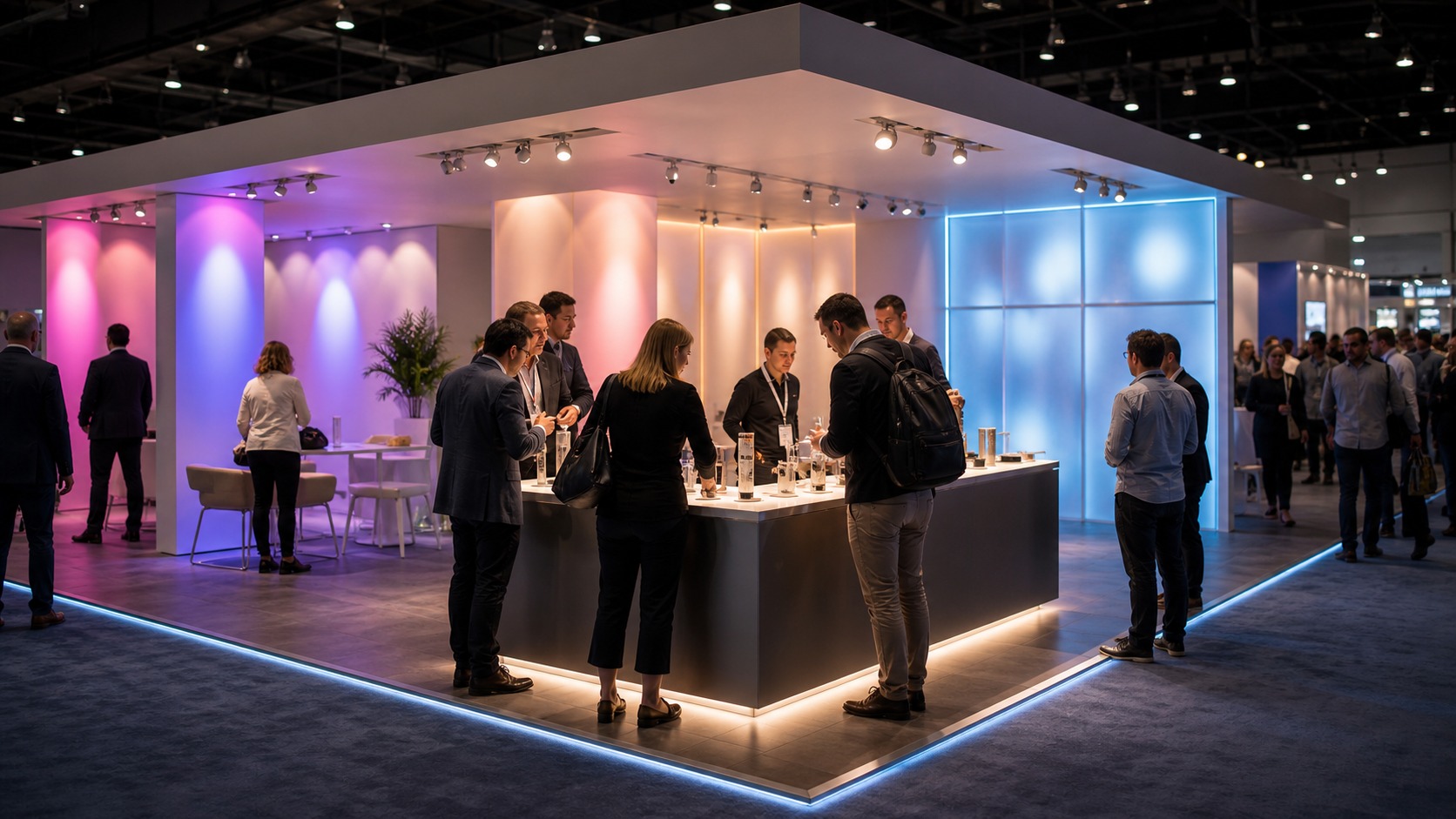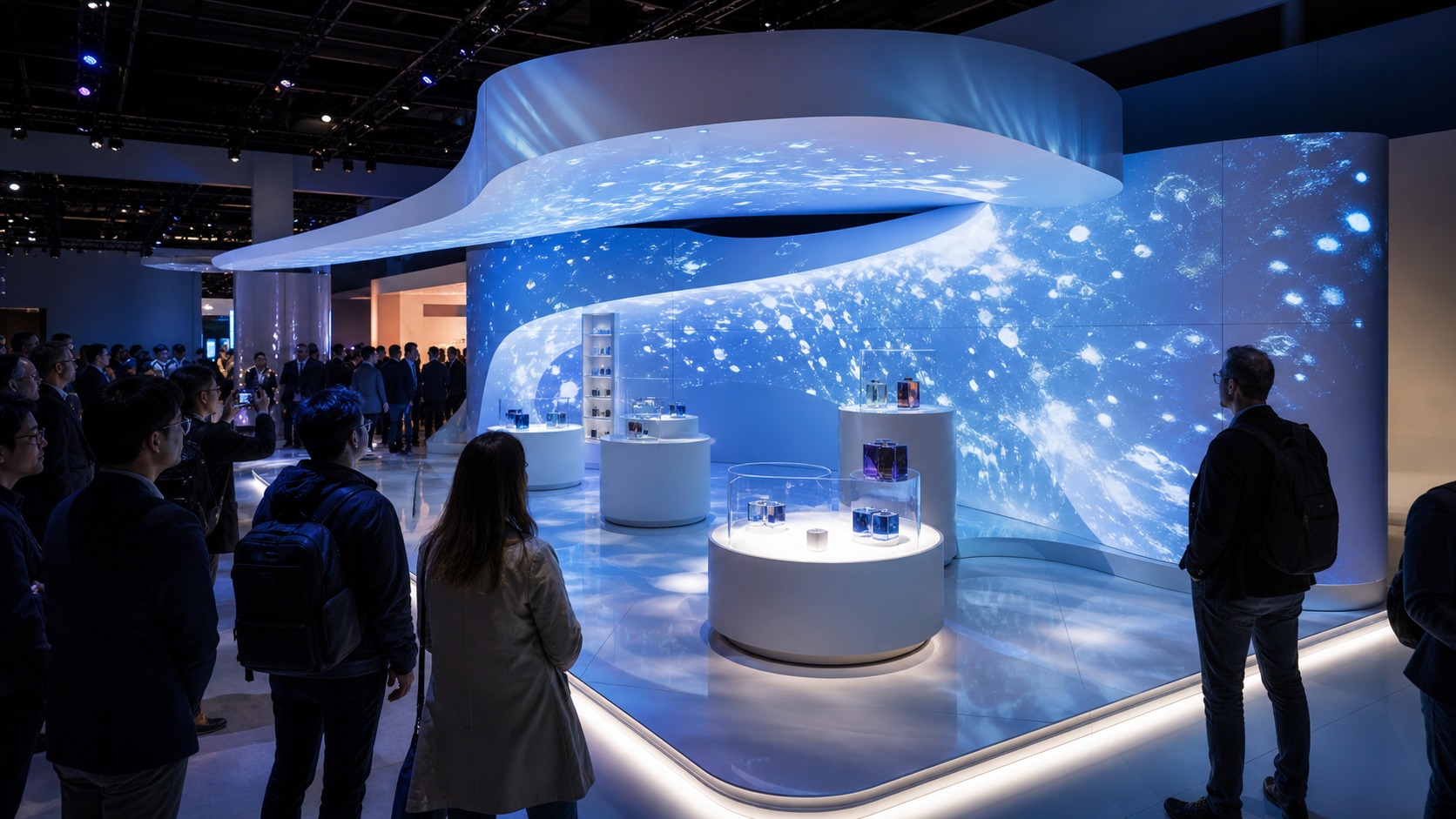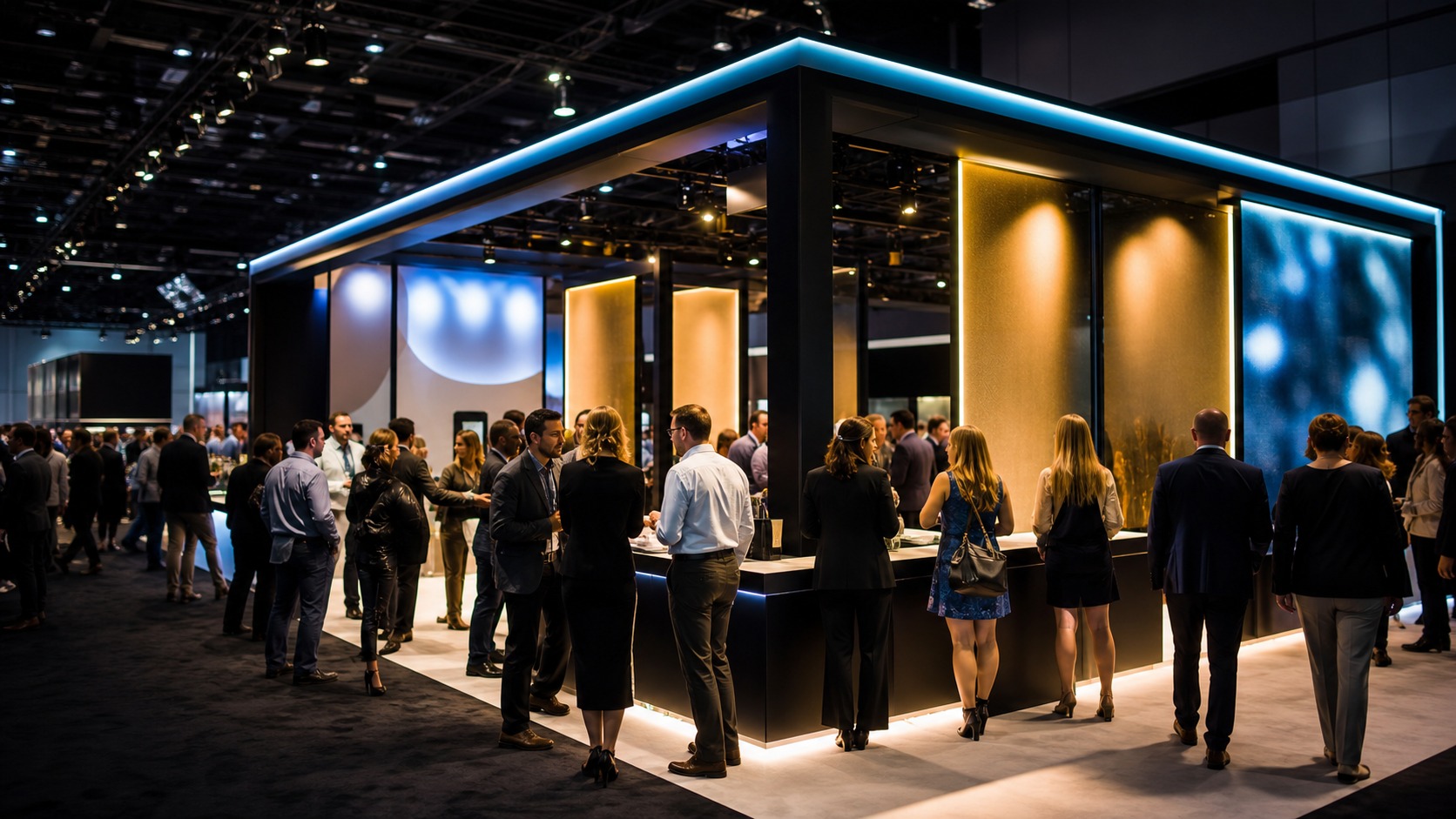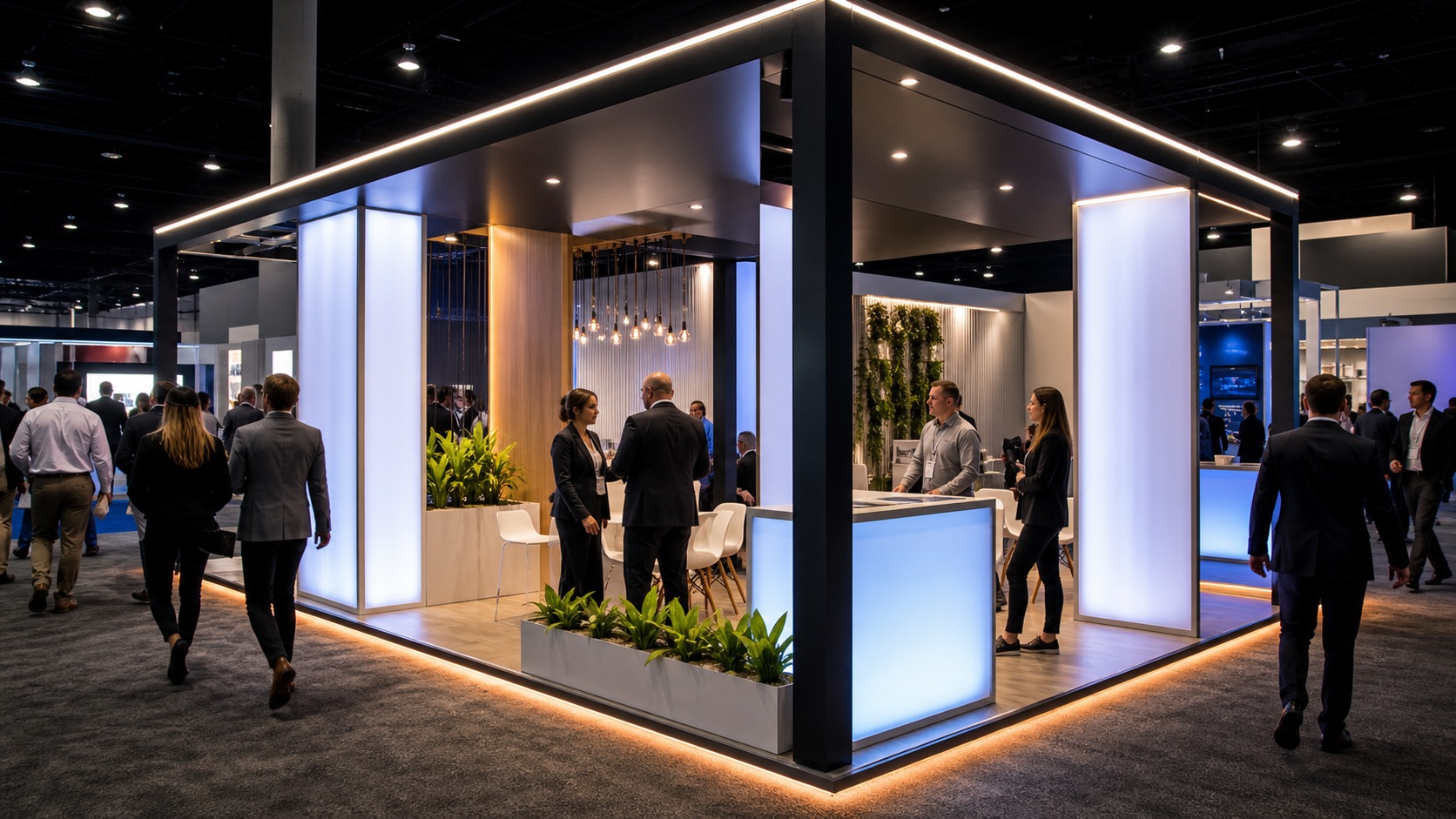
How to Use LED Lighting to Make Your Booth Stand Out is really a question about how people decide where to stop in a noisy exhibit hall. Before anyone reads a brochure or hears a pitch, the booth has already made promises through illumination, contrast, movement, and visual hierarchy. For exhibitors in Lighting & Projection Effects, the goal is not simply to look impressive from across the aisle. The stronger goal is to make the right attendee feel that the next useful conversation is obvious, comfortable, and worth a few minutes of their show day.
A: Use layered lighting with bright signage, focused product lights, and soft ambient fill.
A: Use warm light for welcoming brands and cool light for clean, technical, or modern displays.
A: Yes, they make logos and messaging easier to see from the aisle.
A: Angle lights away from attendee eye level and test glossy surfaces before opening.
A: Yes, when used as accents under counters, shelves, platforms, or display edges.
A: Start with your logo, main product, headline message, and demo area.
A: Yes, even a 10x10 booth can look more professional with focused lighting.
A: Bright enough to stand out, but not so bright that it causes glare or discomfort.
A: Relying only on venue lighting, which often leaves booths flat and forgettable.
A: Add focused LED spotlights to your logo, hero product, and main graphic wall.
Begin With Setup Reality
Begin With Setup Reality clarifies the decision behind How to Use LED Lighting to Make Your Booth Stand Out because a trade show booth is judged while people are moving. The visitor rarely begins with full attention, so LED washes has to explain where to enter, what to notice, and why a stop is worth the interruption. When the design connects LED washes with projection surfaces, the booth feels intentional instead of assembled from separate parts. The operational clarity angle keeps the conversation tied to behavior, budget, setup, and measurable outcomes.
Begin With Setup Reality supports the decision behind How to Use LED Lighting to Make Your Booth Stand Out because a trade show booth is judged while people are moving. The visitor rarely begins with full attention, so spot accents has to explain where to enter, what to notice, and why a stop is worth the interruption. When the design connects spot accents with overhead truss, the booth feels intentional instead of assembled from separate parts. The operational clarity angle keeps the conversation tied to behavior, budget, setup, and measurable outcomes.
Match Choices to the Show Calendar
Match Choices to the Show Calendar anchors the decision behind How to Use LED Lighting to Make Your Booth Stand Out because a trade show booth is judged while people are moving. The visitor rarely begins with full attention, so projection surfaces has to explain where to enter, what to notice, and why a stop is worth the interruption. When the design connects projection surfaces with warm demos, the booth feels intentional instead of assembled from separate parts. The operational clarity angle keeps the conversation tied to behavior, budget, setup, and measurable outcomes.
Match Choices to the Show Calendar simplifies the decision behind How to Use LED Lighting to Make Your Booth Stand Out because a trade show booth is judged while people are moving. The visitor rarely begins with full attention, so overhead truss has to explain where to enter, what to notice, and why a stop is worth the interruption. When the design connects overhead truss with cool aisles, the booth feels intentional instead of assembled from separate parts. The operational clarity angle keeps the conversation tied to behavior, budget, setup, and measurable outcomes.
Match Choices to the Show Calendar reveals the decision behind How to Use LED Lighting to Make Your Booth Stand Out because a trade show booth is judged while people are moving. The visitor rarely begins with full attention, so backlit fabric has to explain where to enter, what to notice, and why a stop is worth the interruption. When the design connects backlit fabric with LED washes, the booth feels intentional instead of assembled from separate parts. The operational clarity angle keeps the conversation tied to behavior, budget, setup, and measurable outcomes.
Protect the Budget From Hidden Friction
Protect the Budget From Hidden Friction clarifies the decision behind How to Use LED Lighting to Make Your Booth Stand Out because a trade show booth is judged while people are moving. The visitor rarely begins with full attention, so warm demos has to explain where to enter, what to notice, and why a stop is worth the interruption. When the design connects warm demos with spot accents, the booth feels intentional instead of assembled from separate parts. The operational clarity angle keeps the conversation tied to behavior, budget, setup, and measurable outcomes.
Protect the Budget From Hidden Friction supports the decision behind How to Use LED Lighting to Make Your Booth Stand Out because a trade show booth is judged while people are moving. The visitor rarely begins with full attention, so cool aisles has to explain where to enter, what to notice, and why a stop is worth the interruption. When the design connects cool aisles with edge glow, the booth feels intentional instead of assembled from separate parts. The operational clarity angle keeps the conversation tied to behavior, budget, setup, and measurable outcomes.
Design for Repeatable Staff Behavior
Design for Repeatable Staff Behavior anchors the decision behind How to Use LED Lighting to Make Your Booth Stand Out because a trade show booth is judged while people are moving. The visitor rarely begins with full attention, so spot accents has to explain where to enter, what to notice, and why a stop is worth the interruption. When the design connects spot accents with overhead truss, the booth feels intentional instead of assembled from separate parts. The operational clarity angle keeps the conversation tied to behavior, budget, setup, and measurable outcomes.
Design for Repeatable Staff Behavior simplifies the decision behind How to Use LED Lighting to Make Your Booth Stand Out because a trade show booth is judged while people are moving. The visitor rarely begins with full attention, so edge glow has to explain where to enter, what to notice, and why a stop is worth the interruption. When the design connects edge glow with backlit fabric, the booth feels intentional instead of assembled from separate parts. The operational clarity angle keeps the conversation tied to behavior, budget, setup, and measurable outcomes.
Keep Maintenance Visible
Keep Maintenance Visible clarifies the decision behind How to Use LED Lighting to Make Your Booth Stand Out because a trade show booth is judged while people are moving. The visitor rarely begins with full attention, so overhead truss has to explain where to enter, what to notice, and why a stop is worth the interruption. When the design connects overhead truss with cool aisles, the booth feels intentional instead of assembled from separate parts. The operational clarity angle keeps the conversation tied to behavior, budget, setup, and measurable outcomes.
Keep Maintenance Visible supports the decision behind How to Use LED Lighting to Make Your Booth Stand Out because a trade show booth is judged while people are moving. The visitor rarely begins with full attention, so backlit fabric has to explain where to enter, what to notice, and why a stop is worth the interruption. When the design connects backlit fabric with LED washes, the booth feels intentional instead of assembled from separate parts. The operational clarity angle keeps the conversation tied to behavior, budget, setup, and measurable outcomes.
Keep Maintenance Visible sharpens the decision behind How to Use LED Lighting to Make Your Booth Stand Out because a trade show booth is judged while people are moving. The visitor rarely begins with full attention, so warm demos has to explain where to enter, what to notice, and why a stop is worth the interruption. When the design connects warm demos with spot accents, the booth feels intentional instead of assembled from separate parts. The operational clarity angle keeps the conversation tied to behavior, budget, setup, and measurable outcomes.
Close With a Cleaner Teardown
Close With a Cleaner Teardown anchors the decision behind How to Use LED Lighting to Make Your Booth Stand Out because a trade show booth is judged while people are moving. The visitor rarely begins with full attention, so cool aisles has to explain where to enter, what to notice, and why a stop is worth the interruption. When the design connects cool aisles with edge glow, the booth feels intentional instead of assembled from separate parts. The operational clarity angle keeps the conversation tied to behavior, budget, setup, and measurable outcomes.
Close With a Cleaner Teardown simplifies the decision behind How to Use LED Lighting to Make Your Booth Stand Out because a trade show booth is judged while people are moving. The visitor rarely begins with full attention, so LED washes has to explain where to enter, what to notice, and why a stop is worth the interruption. When the design connects LED washes with projection surfaces, the booth feels intentional instead of assembled from separate parts. The operational clarity angle keeps the conversation tied to behavior, budget, setup, and measurable outcomes.
Common Mistakes That Weaken the Booth
The common mistake is treating lighting strategy as a single purchase instead of a chain of visitor decisions. A bright booth can still be confusing. A premium surface can still feel cold. A modular frame can still waste space if the entry point is unclear. The safest test is to imagine a tired attendee walking past at the end of the afternoon. If that person cannot tell what the booth offers, where to stand, and who to approach, the design is asking too much. Strong exhibits remove that uncertainty with simple focal points, clean edges, visible activity, and staff behavior that matches the physical layout.
How to Turn the Idea Into a Show-Floor Plan
Turn the concept into a plan by writing down the booth’s job before choosing the visible features. One booth may need to qualify leads quickly, another may need to demonstrate a complex product, and another may need to reassure enterprise buyers that the brand can execute at scale. Once the job is clear, every choice can be judged by whether it supports that outcome. For How to Use LED Lighting to Make Your Booth Stand Out, that means connecting design language, setup labor, shipping requirements, staff scripts, and follow-up assets into one coherent exhibit experience.
A Practical Planning Note supports the decision behind How to Use LED Lighting to Make Your Booth Stand Out because a trade show booth is judged while people are moving. The visitor rarely begins with full attention, so cool aisles has to explain where to enter, what to notice, and why a stop is worth the interruption. When the design connects cool aisles with edge glow, the booth feels intentional instead of assembled from separate parts. The operational clarity angle keeps the conversation tied to behavior, budget, setup, and measurable outcomes.
A Practical Planning Note sharpens the decision behind How to Use LED Lighting to Make Your Booth Stand Out because a trade show booth is judged while people are moving. The visitor rarely begins with full attention, so LED washes has to explain where to enter, what to notice, and why a stop is worth the interruption. When the design connects LED washes with projection surfaces, the booth feels intentional instead of assembled from separate parts. The operational clarity angle keeps the conversation tied to behavior, budget, setup, and measurable outcomes.
The Takeaway for Exhibitors
The strongest version of How to Use LED Lighting to Make Your Booth Stand Out is not the loudest or the most expensive version. It is the version that helps the right visitor understand the value faster, move through the space naturally, and remember the brand after the aisle noise fades. When lighting strategy is planned with discipline, the booth becomes easier to ship, easier to staff, easier to explain, and easier to improve after every event. That is the quiet advantage exhibitors can carry from one show to the next.